
-
About Us
Why Choose Us?
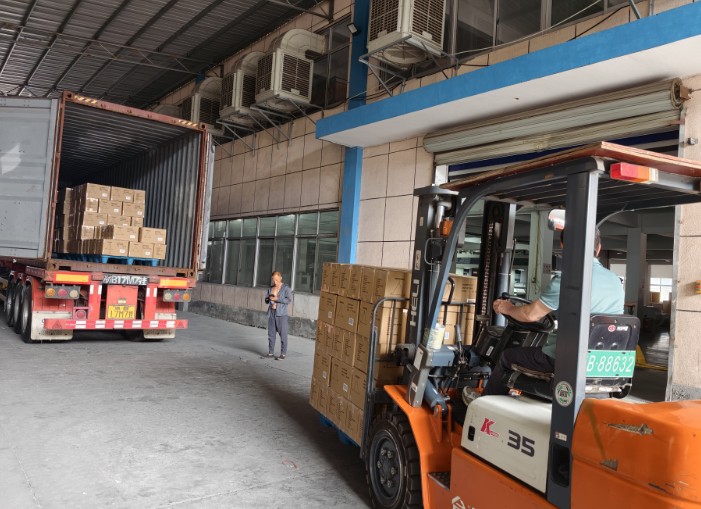
Ningbo Kosda New Material Technology Co., Ltd. was established in 2015 and is located in the Ningbo Binhai Economic Development Zone, China, which is the world's largest deep-water port in terms of throughput and a civilized city in China. It is a large modern production enterprise that integrates the design, research and development, production, and sales of paper products. The company adheres to the principle of quality development, advocates green and environmentally friendly products, and promotes the industrialization of high-tech. Starting from meeting customer needs, we provide high-quality and efficient services.
 Modern Green And Environmentally Friendly Paper Product Manufacturer
 -
Products

-
News




 English
 French
 Español
 German

Lu Zhaorong — Product Sales Consultant
Customize Single-Layer Kraft Paper Cup for Sustainable Beverage Service
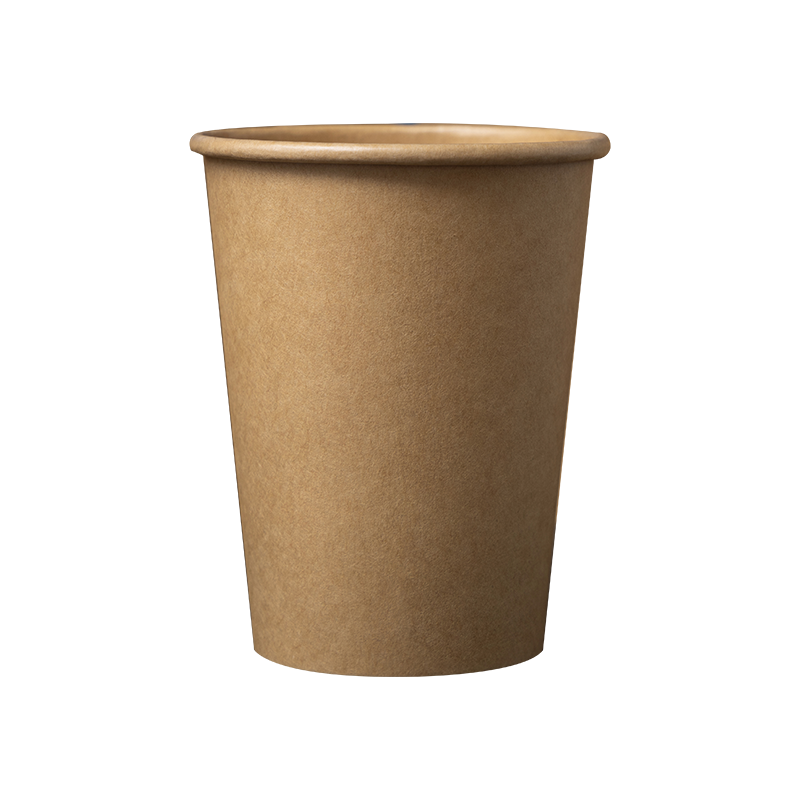
The modern beverage market is shaped by three expectations: dependable performance, responsible material choices, and a visual identity that customers can remember. The Customize Single-Layer Kraft Paper Cup is designed to answer all three. Made from substantial 320g single-layer kraft paper and presented in a natural unbleached brown finish, this 10 OZ cup offers a practical, sturdy, and eco-conscious packaging solution for hot drink service, takeaway beverages, tasting programs, office refreshments, events, and foodservice brands that want to communicate sustainability without compromising usability.
Unlike generic paper cups that rely heavily on artificial whiteness, thin paper stock, or overly decorative surfaces, this kraft paper cup uses its material character as part of its value. The natural brown appearance signals authenticity, simplicity, and environmental awareness. For specialty coffee shops, organic cafes, bakeries, beverage chains, hotels, catering companies, and private-label distributors, the cup provides a refined balance between everyday function and brand storytelling. It is minimalist, but not plain; strong, but not bulky; environmentally aligned, but still suitable for high-volume commercial use.
The product is especially suitable for brands that want packaging to become part of the customer experience. A cup is not only a container. It is held in the hand, photographed, carried through streets and offices, placed on desks, and associated with taste, comfort, and service quality. A well-made kraft paper cup can quietly reinforce trust every time it is used. With customization options for printing and sizing, the cup can support local cafes, regional beverage operators, corporate refreshment programs, and international distributors that need consistent quality with flexible design possibilities.
Customize single-layer Kraft Paper Cup
Content
- 1 Product Overview
- 2 Why Kraft Paper Cups Matter in Today’s Market
- 3 Material Advantage: 320g Single-Layer Kraft Paper
- 4 Design Aesthetic and Brand Communication
- 5 Functional Performance for Beverage Service
- 6 Advantages Over Common Competitor Cups
- 7 Manufacturing Strength Behind the Product
- 8 Advanced Forming and Quality Control
- 9 Customization Possibilities for Different Markets
- 10 Applications Across Beverage and Foodservice Environments
- 11 Sustainability Positioning and Responsible Packaging
- 12 Operational Benefits for Buyers
- 13 How the Cup Supports Premium Customer Experience
- 14 Integration with Broader Paper Product Solutions
- 15 Recommendations for Branding and Use
- 16 Company Strengths Supporting Long-Term Cooperation
- 17 Q&A Section
- 17.1 What is the main material of the cup?
- 17.2 What capacity does the cup offer?
- 17.3 Why choose a single-layer kraft paper cup instead of a double-wall cup?
- 17.4 How does the natural brown surface help branding?
- 17.5 Can the cup be customized?
- 17.6 Who should use this kraft paper cup?
- 17.7 What makes this cup different from lower-cost alternatives?
- 17.8 How does manufacturing quality affect cup performance?
- 17.9 Is the kraft appearance enough to prove sustainability?
- 17.10 Why is the manufacturer’s location important?
- 18 Conclusion
- 19 References
- 20 Product: Customize single-layer Kraft Paper Cup
Product Overview
The Customize Single-Layer Kraft Paper Cup is a 10 OZ beverage cup produced from 320g single-layer kraft paper. Its core identity is built around natural kraft texture, structural reliability, and customization readiness. The single-layer design makes it simple and efficient, while the selected paper weight gives it the firmness expected from professional foodservice packaging. The unbleached brown surface creates a natural look that is widely associated with responsible sourcing, low-waste presentation, and premium craft beverage culture.
The 10 OZ size is one of the most versatile capacities in beverage service. It is commonly used for regular coffee, hot tea, cocoa, specialty drinks, tasting menus, office pantry supplies, and event beverages. It is large enough for standard servings while remaining compact for takeaway convenience. For cafes and roasters, 10 OZ is often an essential size because it works for both milk-based drinks and brewed coffee formats. For distributors, it is a practical inventory item because it serves a wide customer base.
The 320g paperboard selection helps the cup maintain shape and resist deformation during handling. Many lower-cost cups feel soft when filled or gripped, creating a negative impression even if they technically hold liquid. A stronger kraft paper construction improves the user’s sense of quality. When a customer holds a cup that feels secure, the perceived value of the drink also increases. This is an important advantage in competitive beverage retail, where packaging quality can influence repeat purchases and brand perception.
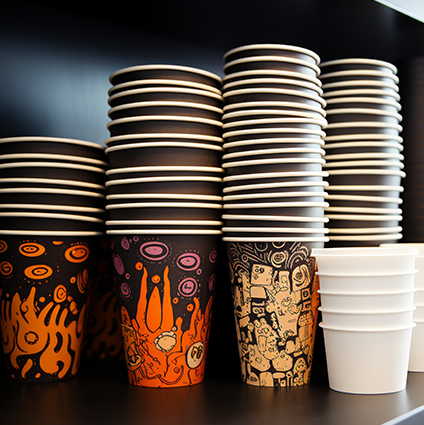
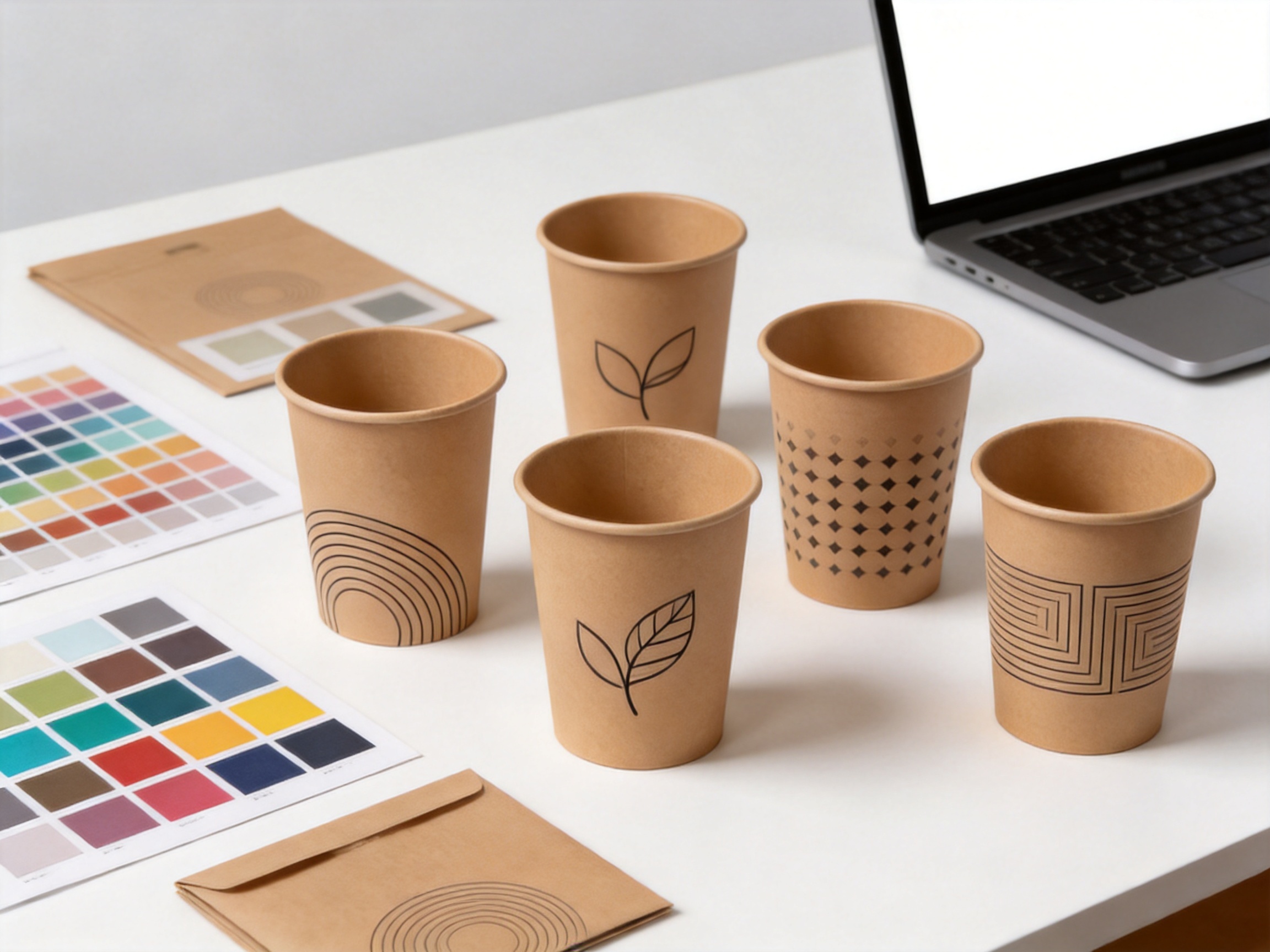
The cup is suitable for custom printing, allowing businesses to apply logos, seasonal graphics, product messages, sustainability statements, QR codes, or promotional artwork. Because kraft paper has a distinct brown background, design strategies can be developed to enhance the natural surface rather than hide it. Black, white, dark green, deep red, and other carefully selected colors often perform well on kraft surfaces. The result can be visually strong while maintaining a simple and organic style.
Why Kraft Paper Cups Matter in Today’s Market
The demand for paper-based disposable packaging continues to grow as companies seek alternatives to conventional plastic-heavy formats. Consumers have become more attentive to what packaging says about a brand’s values. A natural kraft paper cup immediately communicates a different message from a glossy plastic cup or a heavily bleached white paper cup. It suggests that the business pays attention to material choices and understands the cultural movement toward greener daily consumption.
In beverage service, packaging must satisfy both emotional and functional requirements. Customers want cups that look good, feel safe, perform reliably, and align with their personal values. Operators want cups that are easy to store, easy to use, compatible with service routines, and cost-effective at scale. The single-layer kraft paper cup meets these combined requirements by offering a practical form with a sustainability-oriented appearance. It supports efficient service without sacrificing the natural look that customers increasingly appreciate.
Kraft paper is valued for its strength and recognizable fiber-based aesthetic. It is often associated with artisan food, organic produce, specialty coffee, handmade goods, and responsible retail. For businesses in these sectors, packaging that visually matches the product philosophy is important. A carefully brewed coffee served in a weak or overly artificial-looking cup can weaken the customer’s overall impression. By contrast, a sturdy kraft cup helps create consistency between product quality and presentation.
The cup also responds to the shift toward brand transparency. Many businesses now prefer packaging that feels honest and material-driven. The unbleached brown surface does not attempt to imitate ceramic, plastic, or luxury packaging. Instead, it presents itself clearly as paper-based packaging. This honesty can be powerful, especially for brands that position themselves around purity, sustainability, craft, health, or local community values.
Material Advantage: 320g Single-Layer Kraft Paper
The defining technical feature of this product is its 320g single-layer kraft paper structure. Paper weight directly influences rigidity, hand feel, stack stability, and perceived quality. A 320g paperboard provides a more substantial structure than many thin alternatives used in price-driven disposable cups. This helps the cup remain stable when filled and reduces the risk of collapse during normal use.
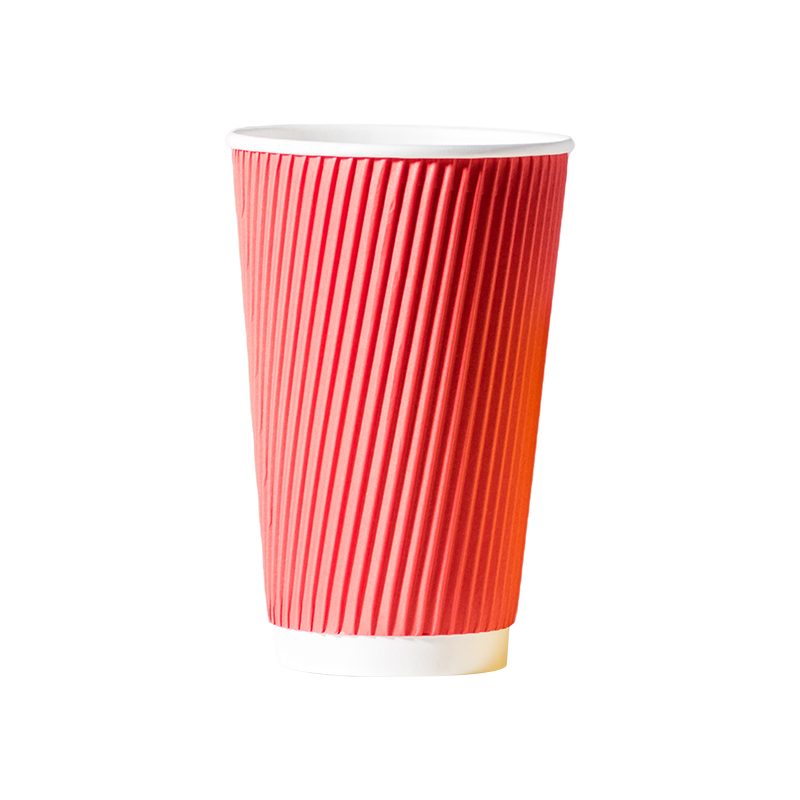
The single-layer design offers simplicity and resource efficiency. Some cups rely on double-wall or ripple-wall designs to improve insulation, but those formats use additional material and may increase cost and storage space. A strong single-layer kraft cup is ideal when the goal is to balance durability, comfortable handling, and economical use. For many beverage applications, especially moderate-temperature drinks or quick-service environments, a well-made single-layer cup provides the right level of performance.
Thermal insulation is also part of the user experience. While single-layer paper cups are not intended to provide the same insulation level as double-wall cups, the 320g kraft paper helps protect hands better than thin, lightweight cups. The cup supports a comfortable grip for hot contents when used appropriately, particularly in fast-moving cafe and takeaway conditions. For extremely hot liquids or longer holding times, sleeves can be used as an additional comfort accessory, but the cup itself offers a dependable baseline of heat protection.
Kraft paper is known for its natural durability. Its fiber structure contributes to resistance against tearing, creasing, and deformation. When converted into a well-formed cup, the paperboard supports the rim, wall, and base integrity needed for daily commercial use. The cup’s performance therefore depends not only on the paperboard specification but also on precise manufacturing, forming, sealing, and quality control.
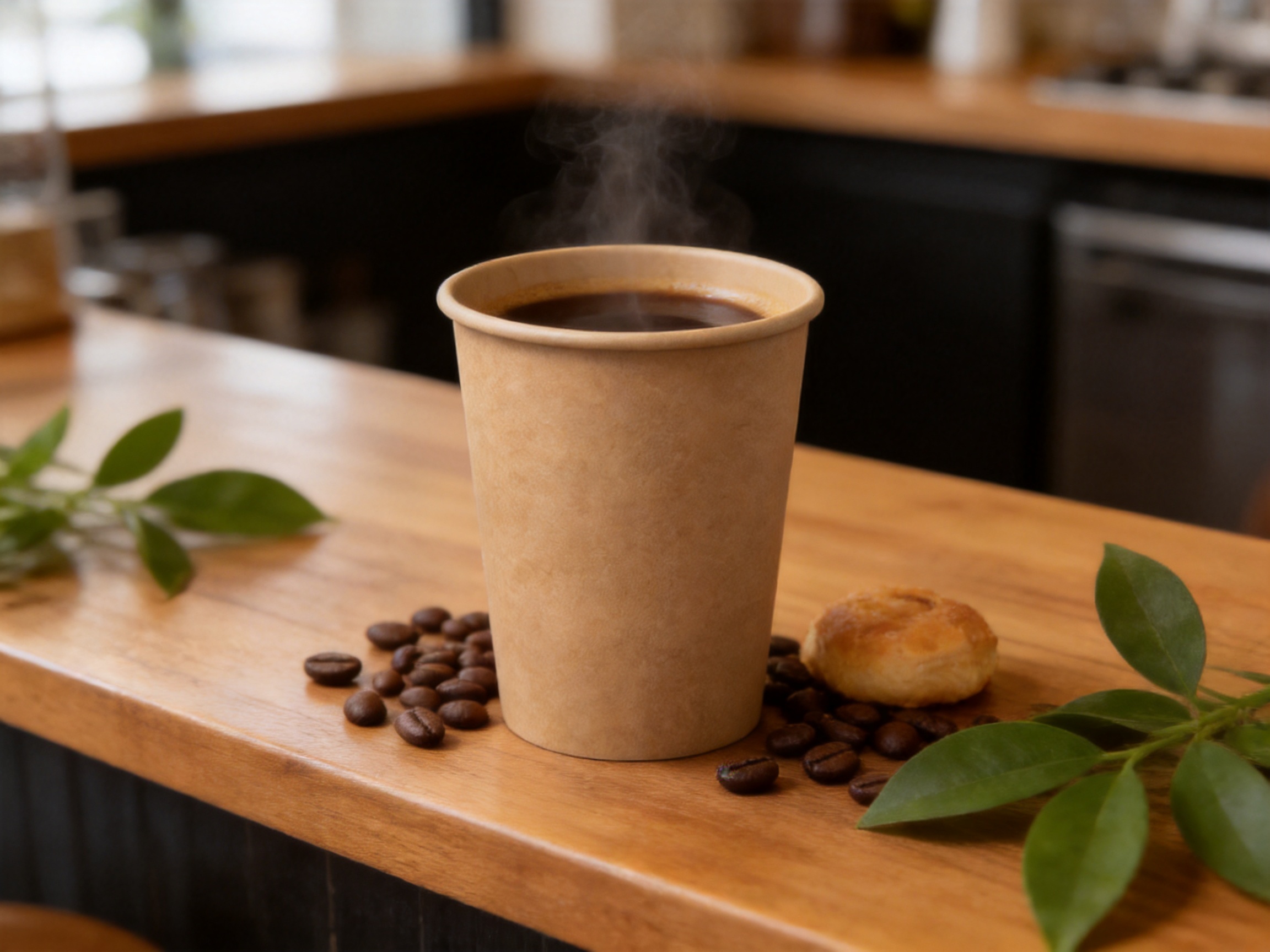
The natural brown surface is not simply a design preference. It avoids the visual impression of excessive processing and helps brands communicate an environmental message without long explanations. Customers often understand the symbolism immediately: kraft means natural, practical, and responsible. This gives the cup a marketing advantage in settings where customers make fast judgments based on appearance.
Design Aesthetic and Brand Communication
A disposable cup is one of the most visible pieces of packaging in the beverage industry. It travels with the customer and becomes a mobile brand surface. The kraft paper cup provides an excellent foundation for brands that want to appear warm, authentic, and sustainability-minded. Its surface works especially well for cafes, bakeries, tea houses, organic markets, restaurants, cultural events, food trucks, and hospitality groups that value natural presentation.
The minimalist appearance of the cup is a competitive advantage. In a market crowded with bright colors and excessive graphics, a natural kraft finish can stand out through restraint. It suggests confidence and clarity. A simple logo printed on kraft paper can look premium without requiring complex decoration. This is useful for businesses that want packaging to support their brand identity without overwhelming it.
Custom printing allows the cup to become a storytelling tool. A coffee roaster may print origin information, roast philosophy, or a small illustration related to its sourcing regions. A cafe may use the cup to highlight its slogan or seasonal menu. A corporate buyer may apply event branding, employee engagement messages, or sustainability commitments. A distributor may offer private-label customization to different clients while using the same reliable cup foundation.
Because the kraft background is visually distinctive, artwork should be planned with contrast and readability in mind. Dark inks often create a grounded, artisan feel, while white ink can create a clean and modern effect. Green tones may reinforce environmental positioning, and black line art can produce a craft-market style. The cup is flexible enough for minimalist logos, repeating patterns, hand-drawn graphics, or concise promotional statements.
Beyond appearance, the tactile quality of kraft paper contributes to brand perception. The cup feels more natural than glossy coated surfaces. This matters because customers physically interact with the packaging. The texture, firmness, temperature feel, and visual tone all combine into a sensory experience. When packaging feels consistent with the beverage’s quality, the customer’s trust in the brand increases.
Functional Performance for Beverage Service
The most important role of a paper cup is to perform reliably from filling to disposal. In real foodservice environments, cups must withstand fast handling, stacking, dispensing, filling, gripping, carrying, and sometimes short-term storage after filling. The Customize Single-Layer Kraft Paper Cup is designed for this practical rhythm. Its substantial paper weight and formed structure support smooth operation in cafes, kiosks, catering lines, offices, and takeaway stations.
Rim quality is central to customer comfort. A well-rolled rim improves drinking experience, lid fit, and structural strength. If the rim is uneven, soft, or poorly formed, users may notice immediately. A stable rim also helps prevent deformation when lids are applied. In busy service environments, staff need cups that accept lids quickly and consistently. The cup’s manufacturing quality supports this requirement by emphasizing dimensional consistency.
Base stability is equally important. A cup that leaks or wobbles damages customer trust and creates operational waste. Strong bottom forming and reliable sealing help maintain liquid containment during normal use. The base must resist pressure from the liquid inside while remaining compatible with stacking and dispensing. Precise forming processes help ensure that each cup performs consistently rather than relying on chance.
Wall rigidity affects both safety and perception. When customers hold a filled cup, they expect it to feel secure. If the wall flexes excessively, the user may fear spilling or burning. The 320g kraft paperboard supports a confident hand feel. This makes the cup suitable for businesses that want to project quality even in everyday takeaway formats.
Stackability is a practical advantage for operators. Cups must be stored in sleeves, cartons, shelves, service counters, and vending or dispensing areas. A consistent cup shape helps prevent jamming and supports efficient staff workflow. A cup that stacks well also reduces storage problems and improves inventory handling. For distributors and high-volume buyers, dimensional consistency can be as important as appearance.
Advantages Over Common Competitor Cups
Many paper cups in the market compete mainly on price. While low cost is important, the cheapest option may cause hidden expenses through poor customer experience, leakage, weak structure, inconsistent printing, poor stacking, or brand mismatch. The Customize Single-Layer Kraft Paper Cup offers a stronger value proposition by combining natural aesthetics, sturdy paperboard, reliable forming, and customization potential.
Compared with thin white paper cups, the kraft cup offers a more distinctive visual identity and stronger environmental signaling. White cups often require heavier printing to look branded, while kraft cups can look intentional even with simple artwork. This reduces the need for excessive graphics and helps brands maintain a clean, modern image. The natural brown finish is especially useful for businesses that want to communicate authenticity.
Compared with generic economy kraft cups, the 320g paper specification provides a more substantial feel. Some kraft cups look natural but are too thin for premium beverage service. They may soften quickly, deform under grip pressure, or feel inexpensive. A heavier single-layer structure helps overcome these weaknesses while preserving the efficient material use of a single-wall format.
Compared with plastic cups, the kraft paper cup aligns better with many sustainability goals and customer expectations for hot beverage service. Plastic may be suitable for certain cold drinks, but it does not communicate the same warmth, craft identity, or paper-based environmental message. For hot drinks, paper remains a familiar and trusted format, and kraft paper enhances that trust through its natural appearance.
Compared with double-wall cups, this single-layer kraft cup can offer advantages in cost control, storage efficiency, and material reduction. Double-wall cups are useful for very hot drinks or extended holding periods, but they are not always necessary. For many daily beverage applications, a strong single-layer cup provides enough performance while helping operators manage packaging budgets and storage space. It also allows cafes to pair the cup with sleeves only when needed, rather than using a heavier cup for every drink.
| Feature | Customize Single-Layer Kraft Paper Cup | Typical Low-Cost Paper Cup | Business Advantage |
|---|---|---|---|
| Material Weight | Substantial 320g kraft paper | Often lighter paperboard | Better rigidity and premium hand feel |
| Visual Style | Natural unbleached brown surface | Plain white or inconsistent kraft tone | Stronger sustainability message and brand character |
| Structure | Reliable single-layer design | May deform under grip pressure | Improved customer confidence during use |
| Customization | Suitable for logo, artwork, and sizing options | Limited or inconsistent printing support | Better brand communication and private-label flexibility |
| Target Use | Cafes, roasters, organic brands, events, distributors | Basic beverage service | Broader suitability for quality-focused markets |
Manufacturing Strength Behind the Product
A paper cup may appear simple, but producing a reliable cup at scale requires advanced manufacturing control. Material selection, printing preparation, die-cutting, forming, sealing, rim rolling, bottom finishing, inspection, packing, and logistics must work together. Ningbo Kosda New Material Technology Co., Ltd. operates as a modern production enterprise integrating design, research and development, manufacturing, and sales of paper products. This integrated capability supports consistent product quality and flexible customization.
The company was established in 2015 and is located in Ningbo Binhai Economic Development Zone, Zhejiang Province, China. Its location near one of the world’s most important deep-water ports by throughput offers logistical advantages for domestic and international distribution. For global buyers, access to strong port infrastructure can help improve shipment efficiency, reduce supply chain uncertainty, and support large-volume export operations.
Modern paper cup manufacturing begins with carefully selected paper materials. For a product such as the 320g kraft paper cup, the paperboard must meet requirements for thickness, stiffness, surface quality, print compatibility, and forming behavior. Material consistency is essential because variations in paper thickness or moisture content can affect cutting accuracy, sealing strength, and final cup shape. A quality-driven manufacturer manages these variables through supplier control and incoming material inspection.
Printing is another critical stage. Custom cup printing must balance brand color requirements with foodservice safety and production efficiency. On kraft paper, ink behavior differs from white paper because the background tone affects color appearance. Experienced production teams understand how to adjust artwork, ink coverage, and printing methods to maintain clarity and contrast. This is especially important for buyers who rely on accurate logos and brand consistency across packaging lines.
After printing, the paper is cut into precise cup blanks. Die-cutting accuracy influences how well the cup forms during the next stage. If the blank dimensions are inconsistent, the cup may have irregular seams, poor rim formation, or stacking problems. Advanced cutting equipment and quality checks help maintain repeatable geometry. This is one of the areas where professional manufacturing separates reliable cups from low-grade alternatives.
Advanced Forming and Quality Control
Paper cup forming requires the transformation of flat printed material into a three-dimensional container. The side wall is shaped, joined, and sealed; the bottom is inserted and secured; the rim is rolled; and the final shape is stabilized. Each step must be controlled with precision. Heat, pressure, timing, alignment, and material behavior all affect the finished cup. Even small inconsistencies can produce leakage, weak seams, or poor stacking.
For a kraft paper cup, side seam quality is especially important. The seam must hold securely during handling and filling while remaining neat in appearance. A rough seam can affect both strength and visual quality. Professional forming equipment helps produce clean seams and stable walls. The result is a cup that not only functions well but also reflects manufacturing discipline.
Bottom sealing is one of the most important performance factors. Liquid pressure concentrates at the base, and the bottom must remain leak-resistant throughout normal use. Reliable bottom forming depends on paper quality, precise bottom disc placement, appropriate sealing conditions, and inspection. A quality-driven manufacturer treats leakage prevention as a central requirement rather than an afterthought.
Rim rolling contributes to drinking comfort, structural reinforcement, and lid compatibility. The rolled rim must be smooth, firm, and consistent. If the rim diameter varies, lids may fit too loosely or too tightly. This can cause spills, staff frustration, or customer dissatisfaction. Consistent rim forming supports better service efficiency and reduces the risk of complaints.
Quality control should occur throughout production rather than only at the end. Incoming material checks, in-process inspections, dimensional measurements, leakage testing, appearance review, print verification, and packaging checks all contribute to product reliability. For buyers, this systematic approach reduces risk. It helps ensure that cartons received in different shipments perform consistently and match approved samples.
Ningbo Kosda’s focus on quality-driven development is a meaningful advantage in a market where packaging failures can damage reputations quickly. A single leaking cup can create a negative customer experience. A shipment with inconsistent printing can delay a product launch. A poorly packed order can increase waste. Strong manufacturing management helps prevent these problems before they reach the buyer.
Customization Possibilities for Different Markets
Customization is one of the strongest commercial advantages of the 10 OZ single-layer kraft paper cup. Businesses no longer see disposable cups as anonymous supplies. They see them as part of brand identity, campaign communication, and customer engagement. Custom printing allows the cup to carry logos, messages, symbols, illustrations, and seasonal artwork while retaining the natural kraft foundation.
For specialty coffee roasters, a kraft cup can express craft values. Roasters often emphasize origin, roast profile, ethical sourcing, and flavor complexity. A natural cup surface aligns with these ideas. A simple printed logo and a short message such as a roast philosophy or tasting note can turn the cup into a subtle brand ambassador.
For organic cafes and health-focused beverage shops, kraft paper supports a clean and wholesome image. Smoothies, teas, herbal drinks, plant-based lattes, and wellness beverages are often sold to customers who care about ingredients and environmental impact. Packaging that appears natural reinforces the promise of the menu. The cup can be customized with botanical graphics, ingredient icons, or wellness slogans.
For corporate events, trade shows, conferences, and hospitality programs, custom kraft cups can create a coordinated professional appearance. Event organizers often need disposable cups that are functional but also aligned with event branding. A kraft cup can look more refined and responsible than a generic cup. It can carry event names, sponsor logos, or limited-time campaign artwork.
For distributors and wholesalers, customization expands sales opportunities. A reliable base product can serve multiple customer segments simply by changing artwork, packaging quantity, or sizing options. This flexibility helps distributors respond to local market preferences and offer private-label services. When the manufacturer supports consistent production, distributors can build repeat business with confidence.
Applications Across Beverage and Foodservice Environments
The 10 OZ kraft paper cup is widely applicable because it fits many serving occasions. In cafes, it works for regular coffee, cappuccino, latte, flat white variations, hot tea, chai, and seasonal drinks. The natural appearance complements wood interiors, craft menus, and community-focused cafe branding. Staff can use the cup efficiently during peak hours because the single-layer format is familiar and easy to handle.
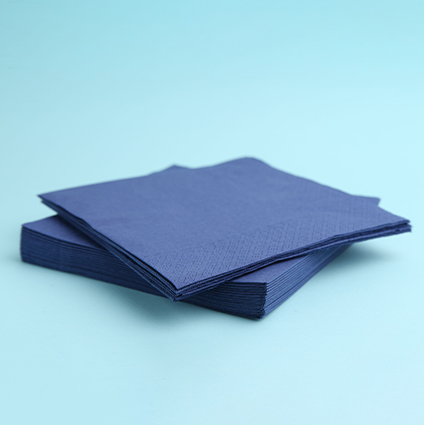
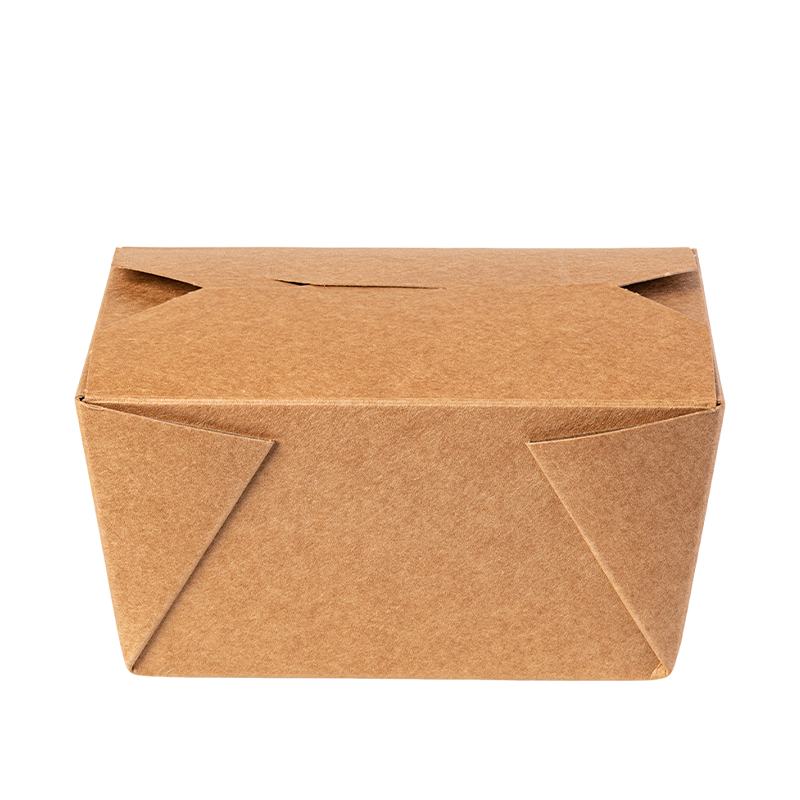
In bakeries, the cup can be paired with pastries, breakfast sets, and takeaway drinks. A kraft cup next to a paper food container, napkin, or wrapping paper product creates a coordinated packaging system. This is valuable for bakery brands that want a consistent visual identity across different packaging items. Natural brown packaging also pairs well with bread, cakes, cookies, and handmade desserts.
In offices and corporate pantries, the cup provides a more responsible-looking alternative to plain disposable cups. Companies increasingly want pantry supplies that reflect workplace sustainability goals. A custom kraft cup with a company message can reinforce internal culture and reduce the visual wastefulness associated with generic single-use packaging. It can also be used in reception areas and meeting rooms.
In catering and events, the cup is practical for large guest volumes. Its 10 OZ capacity is suitable for hot beverage stations, breakfast service, seminars, outdoor gatherings, and community programs. Because it can be customized, event planners can create a more cohesive guest experience. The kraft aesthetic works for rustic weddings, farmers’ markets, music festivals, eco-events, and brand activations.
In retail beverage chains, consistent cup quality is essential. Multi-location operators need packaging that performs the same way in every store. The cup’s sturdy paperboard and customization potential make it suitable for standardized beverage programs. Operators can develop brand artwork once and apply it across large quantities, helping maintain recognition and operational consistency.
Sustainability Positioning and Responsible Packaging
Sustainability in packaging is not defined by appearance alone, but appearance plays an important role in consumer communication. The unbleached kraft surface of this paper cup provides a clear visual cue that supports environmental positioning. It communicates natural material character and reduces the need for heavy decorative coverage. For businesses that advocate greener consumption, this helps packaging align with values in a direct and understandable way.
The single-layer structure also supports a resource-conscious approach. Instead of adding extra paper layers where they may not be necessary, the cup uses a substantial single sheet of kraft paperboard to provide strength. This can be an efficient solution for many beverage services. It allows operators to reserve additional sleeves or higher-insulation formats for specific cases rather than applying maximum material use to every serving.
Responsible packaging also includes durability. A cup that fails wastes not only the cup itself but also the beverage, labor, and customer goodwill. By focusing on structural reliability, the product helps reduce avoidable waste caused by leaks, crushing, or poor handling. In this sense, quality is part of sustainability. A well-made disposable item can be more responsible than a poorly made one that causes repeated replacements and complaints.
Brands should communicate sustainability claims accurately and responsibly. The kraft paper cup’s natural look can support eco-conscious positioning, but companies should base any specific environmental claims on applicable certifications, material data, local recycling rules, and regulatory requirements. The strongest approach is to combine responsible packaging choices with transparent communication. Customers increasingly appreciate honesty over exaggerated claims.
Ningbo Kosda’s company philosophy emphasizes green and environmentally friendly paper products, quality-driven development, and high-efficiency service. This manufacturing orientation fits the growing demand for packaging that supports both commercial performance and environmental awareness. For buyers, working with a manufacturer that understands green packaging trends can help support long-term product planning.

Operational Benefits for Buyers
For purchasing managers, packaging decisions involve more than product appearance. They must consider cost, supply stability, customization lead time, storage, user satisfaction, compatibility, and after-sales support. The Customize Single-Layer Kraft Paper Cup offers several operational advantages that make it suitable for professional procurement.
First, the cup’s versatile 10 OZ size simplifies inventory planning. Many businesses can use this size across multiple drink categories. Instead of stocking too many specialized cup sizes, operators can use 10 OZ as a core format. This can reduce warehouse complexity and improve turnover. For wholesalers, it is a marketable size that appeals to a broad customer base.
Second, the single-layer design supports efficient storage and transport. Compared with bulkier multi-layer cups, single-layer cups generally occupy less space per unit. This can improve carton efficiency and shelf organization. In high-volume operations, small savings in storage space can become meaningful over time.
Third, customization helps buyers differentiate their offering. A cafe that uses custom kraft cups looks more professional than one using blank generic packaging. A distributor that offers custom printing can serve higher-value accounts. A hotel or event organizer can strengthen guest experience through branded beverage service. Packaging becomes an investment in visibility rather than only a consumable cost.
Fourth, the natural kraft style reduces the need for complex decoration. Many brands can achieve a premium look with limited ink coverage. This can simplify design and create a cleaner environmental image. It also allows small businesses to start with simple logo printing and later develop more advanced seasonal designs as their brand grows.
Fifth, the manufacturer’s integrated capabilities support communication from design to production. When a supplier understands both product development and manufacturing, buyers can receive more practical guidance on paper selection, print feasibility, size options, packing requirements, and order planning. This reduces misunderstandings and helps projects move more smoothly.
How the Cup Supports Premium Customer Experience
Customer experience is shaped by many small details. A beverage may taste excellent, but if the cup feels weak, leaks, or looks inconsistent with the brand, the overall impression suffers. The Customize Single-Layer Kraft Paper Cup helps improve customer experience through a combination of visual appeal, grip comfort, and dependable structure.
The natural kraft finish creates warmth. It fits comfortably into environments where customers expect handcrafted quality. In a specialty cafe, the cup can make a takeaway drink feel more considered. In an office, it can make a coffee break feel less generic. At an event, it can contribute to a cohesive atmosphere. These emotional effects are valuable because customers often remember how a product made them feel.
The cup’s firmness also supports confidence. Customers carrying hot drinks want to feel secure. A strong cup reduces anxiety about squeezing, spilling, or losing shape. This is especially important when customers are walking, commuting, holding bags, or handling phones. Packaging that supports easy use improves satisfaction even if customers do not consciously analyze it.
Brand recall is another benefit. A custom-printed kraft cup can remain visible for several minutes or longer while the customer drinks. Unlike a digital advertisement that disappears quickly, a cup stays in the customer’s hand. It may appear in social media photos, office desks, meeting rooms, and public spaces. This repeated exposure can strengthen recognition at relatively low cost.
For businesses building loyalty, packaging consistency matters. When customers see the same quality cup repeatedly, they associate it with reliability. Over time, the cup becomes part of the brand’s familiar identity. The natural brown surface can become a signature style if used consistently across stores, events, and product lines.
Integration with Broader Paper Product Solutions
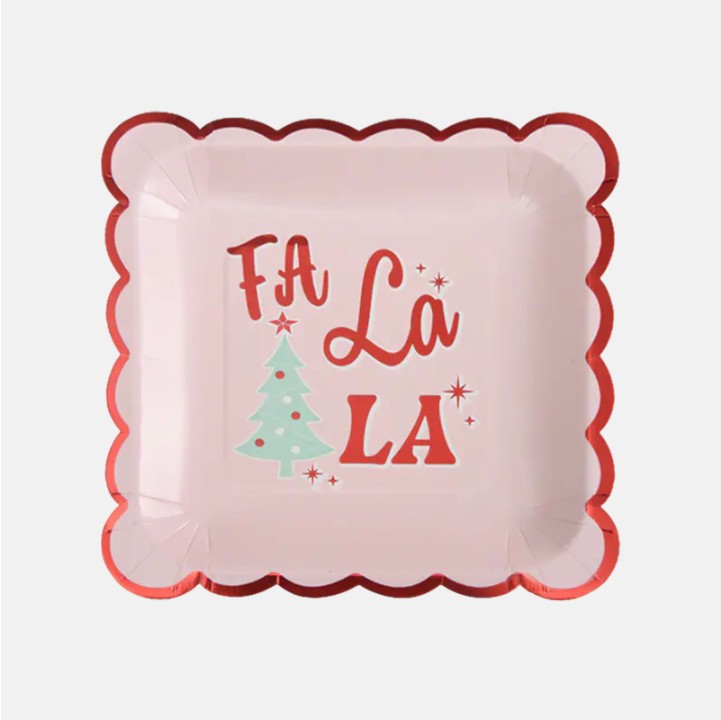
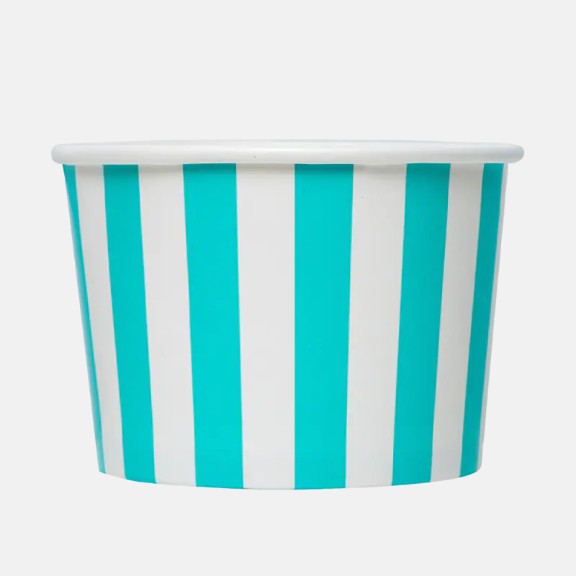
The product category landscape includes paper plates, paper cups, paper napkins, paper food containers, wrapping paper rolls, and disposable paper tablecloths. A kraft paper cup can function as one part of a broader coordinated packaging and tableware system. This is important for buyers who want unified visual presentation across takeaway, catering, retail, and event applications.
For example, a cafe may use kraft paper cups for beverages, paper food containers for bakery items, paper napkins for service counters, and wrapping paper rolls for packaged goods. When these items share a natural paper-based visual language, the brand environment feels more coherent. Customers perceive the business as more thoughtful and organized.
Foodservice businesses often benefit from sourcing multiple paper products from a manufacturer with broad production experience. It can simplify procurement, improve communication, and support consistent quality expectations. A company that understands different paper product categories can also help buyers plan packaging systems rather than isolated items.
Ningbo Kosda’s position as a modern paper product manufacturer gives it the ability to support varied customer needs. Its focus on design, research and development, production, and sales means it is not limited to basic manufacturing. It can participate in product planning and offer practical solutions for brands that need both function and presentation.
This integrated approach is especially useful for growing brands. As a cafe expands into packaged foods, event catering, or franchising, packaging requirements become more complex. A reliable supplier can help maintain consistency across cup sizes, food containers, napkins, and other disposable paper products. The 10 OZ kraft cup can be a starting point for a larger packaging strategy.
Recommendations for Branding and Use
To achieve the best results with custom kraft paper cups, buyers should begin with a clear brand objective. The natural surface already communicates sustainability and authenticity, so design should enhance those values rather than fight against them. Simple artwork often works best. A clean logo, strong contrast, and concise message can create a professional effect.
Before confirming large-volume production, buyers should evaluate artwork on kraft background. Colors may appear different than they do on a white screen or white paper. Darker tones usually provide stronger visibility, while light colors may require careful ink selection. Test samples or print proofs can help ensure that the final result matches expectations.
Businesses should also consider the full beverage service system. If lids are used, compatibility should be confirmed. If drinks are served very hot, operators may choose to provide sleeves for additional comfort. If cups are used in events, carton labeling and distribution planning should be organized in advance. Good packaging performance depends not only on the cup itself but also on how it is integrated into service routines.
For sustainability communication, brands should avoid vague or exaggerated statements. Instead, they can use clear messages such as responsible paper-based packaging, natural kraft appearance, or reduced decorative excess. If certifications or specific environmental attributes are available, they should be communicated according to applicable standards. Honest messaging builds trust.
For multi-location businesses, standardization is important. Artwork files, color references, lid specifications, carton quantities, and reorder schedules should be documented. This helps ensure that every store receives the same cup quality and appearance. A capable manufacturer can support repeat production and help maintain continuity across batches.
Company Strengths Supporting Long-Term Cooperation
Ningbo Kosda New Material Technology Co., Ltd. brings several strengths that are relevant to buyers of customized kraft paper cups. Established in 2015, the company has developed as a large modern production enterprise focused on paper products. Its business integrates design, research and development, production, and sales, allowing it to serve customers from concept to delivery.
The company’s location in Ningbo Binhai Economic Development Zone provides access to strong industrial infrastructure and export logistics. Being near a major deep-water port is a practical advantage for international buyers because packaging products often involve large shipping volumes. Efficient logistics can support timely delivery and stable supply chain planning.
The company emphasizes quality-driven development. For paper cups, this is essential. Quality is visible in the cup’s shape, rim, seam, bottom, printing, stacking, and packing. It is also experienced through customer confidence and reduced complaints. A manufacturer that prioritizes quality helps buyers protect their own brand reputation.
The company advocates green and environmentally friendly products. This aligns with the global shift toward paper-based packaging and more responsible disposable tableware. For customers in cafes, hospitality, retail, and foodservice, working with a supplier that understands environmental trends can support product innovation and market relevance.
The company’s customer-oriented service philosophy is also important. Custom packaging requires communication. Buyers may need help with artwork, size selection, material options, production schedules, packing details, and shipment planning. A supplier that starts from customer needs can provide more efficient support and reduce project friction.
Q&A Section
What is the main material of the cup?
The cup is made from substantial 320g single-layer kraft paper. This material provides a strong hand feel, natural appearance, and reliable structure for beverage service.
What capacity does the cup offer?
The cup is designed as a 10 OZ format, making it suitable for regular coffee, tea, cocoa, specialty drinks, office refreshments, event beverages, and many takeaway applications.
Why choose a single-layer kraft paper cup instead of a double-wall cup?
A single-layer kraft paper cup offers a practical balance of durability, material efficiency, storage convenience, and cost control. It is suitable for many everyday beverage services. For extremely hot drinks or longer holding times, a sleeve can be used when additional insulation is needed.
How does the natural brown surface help branding?
The unbleached brown surface communicates authenticity, simplicity, and environmental awareness. It works well with minimalist logos, craft-style artwork, and sustainability-focused messaging.
Can the cup be customized?
Yes. The cup supports custom printing and sizing options, allowing businesses to reinforce brand identity, promote campaigns, display logos, or create private-label packaging.
Who should use this kraft paper cup?
It is ideal for specialty roasters, organic cafes, bakeries, beverage shops, hotels, catering companies, corporate offices, events, distributors, and sustainability-focused brands.
What makes this cup different from lower-cost alternatives?
The key differences include 320g kraft paper, a sturdy single-layer structure, natural unbleached aesthetics, customization readiness, and quality-oriented manufacturing. These factors support better customer experience and stronger brand presentation.
How does manufacturing quality affect cup performance?
Manufacturing quality influences seam strength, bottom sealing, rim consistency, stacking performance, leakage resistance, and print appearance. Professional production control helps ensure that the cup performs reliably in commercial use.
Is the kraft appearance enough to prove sustainability?
The kraft appearance supports sustainability-oriented communication, but specific environmental claims should be based on verified material information, certifications, and local regulations. Honest and accurate communication is recommended.
Why is the manufacturer’s location important?
The manufacturer is located in Ningbo, Zhejiang Province, China, near major port infrastructure. This supports efficient logistics and can be advantageous for domestic and international buyers managing high-volume shipments.
Conclusion
The Customize Single-Layer Kraft Paper Cup is more than a disposable beverage container. It is a practical packaging solution that combines sturdy 320g kraft paper, a versatile 10 OZ capacity, natural unbleached aesthetics, thermal comfort for everyday hot drink service, and strong customization potential. It helps businesses serve beverages efficiently while reinforcing a message of authenticity and environmental awareness.
Its advantages over common competitor cups are clear. It offers a stronger and more premium hand feel than many thin economy cups, a more distinctive sustainability-oriented appearance than plain white cups, and better material efficiency than heavier multi-layer formats when single-wall performance is sufficient. For cafes, roasters, organic beverage brands, events, offices, and distributors, this balance is commercially valuable.
The product is supported by the manufacturing strengths of Ningbo Kosda New Material Technology Co., Ltd., a modern paper product enterprise integrating design, research and development, production, and sales. With a quality-driven philosophy, green product orientation, advanced production processes, and a strategic location near major port infrastructure, the company is well positioned to support customized paper cup projects and broader paper packaging solutions.
In a market where customers notice both product quality and packaging values, choosing the right cup can make a measurable difference. A reliable kraft paper cup protects the beverage, supports the hand, carries the brand, and communicates responsible intent. For businesses seeking packaging that performs well and looks naturally credible, this 10 OZ single-layer kraft paper cup is a strong and flexible choice.
References
Food and Agriculture Organization of the United Nations. Pulp and Paper Capacities: Survey Reports and Industry Data.
International Organization for Standardization. Packaging and the Environment: General Principles and Assessment Frameworks.
Smithers. The Future of Sustainable Packaging: Market Trends and Material Innovation.
Paper and Paperboard Packaging Environmental Council. Paper-Based Packaging Design and Recovery Guidance.
European Paper Packaging Alliance. Foodservice Packaging Performance and Circularity Studies.
China Paper Association. Annual Reports on Paper Product Manufacturing and Market Development.
Product: Customize single-layer Kraft Paper Cup
Your email address will not be published. Required fields are marked *
-
Modern Green And Environmentally Friendly Paper Product Manufacturer
-
Quick Links
Home About Us Products News Contact Us -
Product Categories
Paper Plates Paper Cup Paper Napkin Paper Food Container Disposable Paper Tablecloth Wrapping Paper Roll Paper Cutlery -
Contact Us
 Tel: +86-13967818265
0086-13646629749 E-mail: [email protected]
E-mail: [email protected]
E-mail: [email protected]
E-mail: [email protected]
 Whatsapp: 008613646629749
 Add: 1036 Cidong Avenue, Binhai Economic Development Zone, Ningbo City, Zhejiang Province, China
