
-
About Us
Why Choose Us?
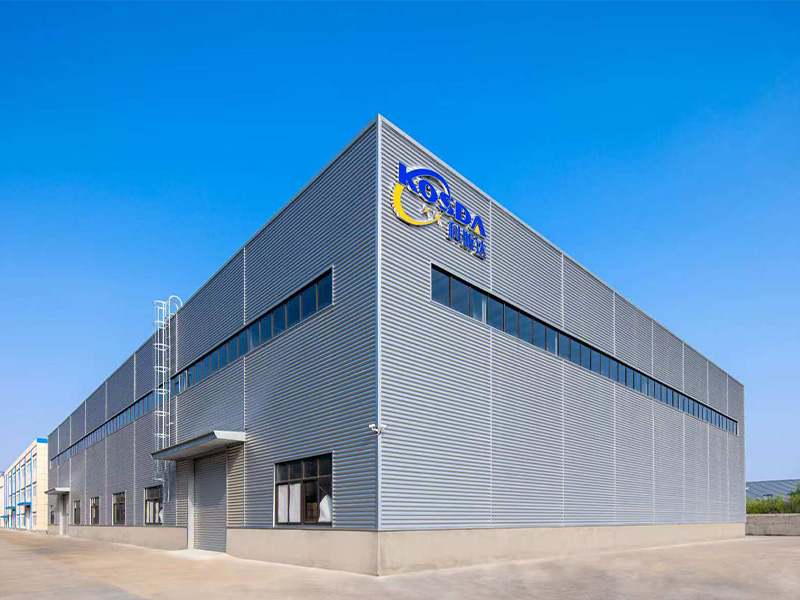
Ningbo Kosda New Material Technology Co., Ltd. was established in 2015 and is located in the Ningbo Binhai Economic Development Zone, China, which is the world's largest deep-water port in terms of throughput and a civilized city in China. It is a large modern production enterprise that integrates the design, research and development, production, and sales of paper products. The company adheres to the principle of quality development, advocates green and environmentally friendly products, and promotes the industrialization of high-tech. Starting from meeting customer needs, we provide high-quality and efficient services.
 Modern Green And Environmentally Friendly Paper Product Manufacturer
 -
Products

-
News




 English
 French
 Español
 German

Tan Meixuan — After-Sales Account Supervisor
10.5-Inch Kraft Food Tray Plate for Sustainable Catering and Food Service Packaging
In modern food service, the packaging surrounding a meal is no longer a secondary detail. Restaurants, caterers, event organizers, hotels, food trucks, cafeterias, bakeries, supermarkets, and quick-service brands are all under increasing pressure to present food attractively while reducing environmental impact. The 10.5-Inch Kraft Food Tray Plate is designed for this exact balance: a practical, large-format serving solution that supports reliable performance, natural visual appeal, customization, and a more responsible approach to disposable tableware.
This eco-friendly kraft paper plate is especially suitable for main courses, shared food portions, buffet service, takeaway meals, outdoor dining, festivals, corporate catering, and casual dining environments. With a generous 10.5-inch size, it offers enough serving space for a complete meal while maintaining the convenience expected from disposable food service packaging. Its kraft paper appearance communicates simplicity, naturalness, and sustainability, making it an ideal option for businesses that want their packaging to align with customer expectations for greener choices.
Unlike conventional foam, plastic, or low-grade paper plates, a kraft food tray plate provides a stronger environmental message and a more premium presentation. It is suitable for brands seeking eco friendly disposable tableware that does not compromise user experience. In addition, when supplied by a professional manufacturer with modern production systems, the product can be tailored for OEM and ODM projects, including size variations, structure optimization, printing, branding, packaging configuration, and bulk supply planning.
10.5-Inch Kraft Food Tray Plate – Eco-Friendly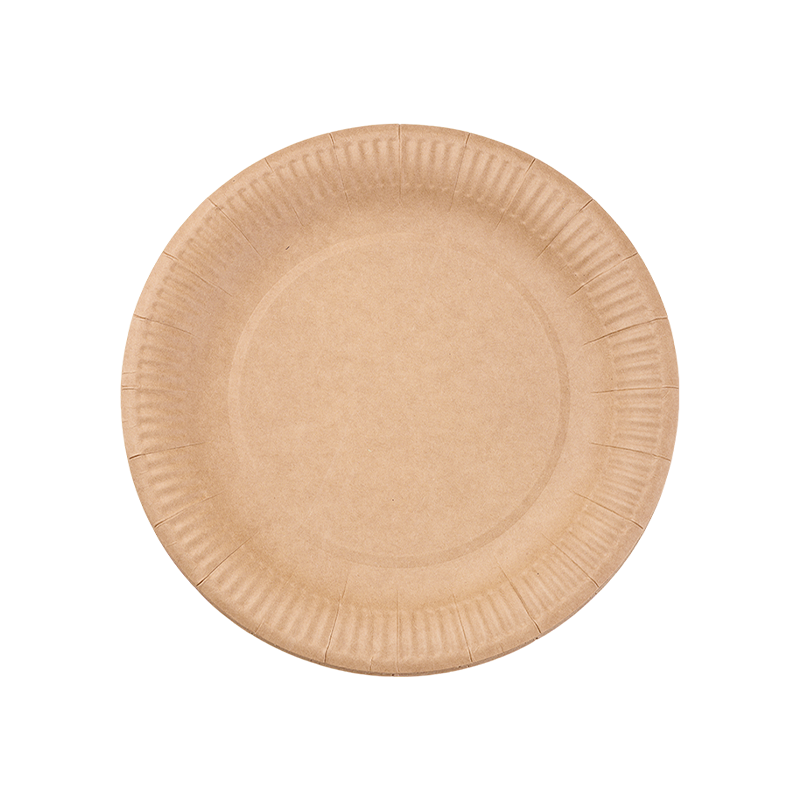
Content
- 1 Product Overview
- 2 Why the 10.5-Inch Size Matters
- 3 Key Advantages Over Conventional Disposable Plates
- 4 Material Benefits of Kraft Paper
- 5 Applications in Catering and Food Service
- 6 Performance Considerations for Main Courses and Shared Food
- 7 Customization for OEM and ODM Projects
- 8 Manufacturing Strength Behind the Product
- 9 Advanced Production Process and Quality Control
- 10 Comparison with Competing Food Service Packaging Options
- 11 Branding and Customer Perception
- 12 Role in Sustainable Food Packaging Strategies
- 13 Operational Benefits for Food Service Businesses
- 14 Food Presentation Advantages
- 15 Supply Chain and Export Advantages
- 16 How the Product Supports Distributors and Wholesalers
- 17 Design Considerations for Menu Compatibility
- 18 Environmental Communication Without Greenwashing
- 19 Procurement Considerations for Buyers
- 20 Why Manufacturing Experience Matters
- 21 Q&A Section
- 21.1 What is the 10.5-Inch Kraft Food Tray Plate used for?
- 21.2 Why is kraft paper a good material for disposable food service packaging?
- 21.3 How does this product compare with foam or plastic plates?
- 21.4 Can the plate be customized?
- 21.5 Is the product suitable for main courses?
- 21.6 What types of businesses can benefit from this product?
- 21.7 Why is the manufacturer important when choosing disposable paper tableware?
- 21.8 Can this plate be part of a broader sustainable packaging program?
- 22 Conclusion
- 23 References
- 24 Product: 10.5-Inch Kraft Food Tray Plate – Eco-Friendly
Product Overview
The 10.5-Inch Kraft Food Tray Plate, model KPL-10.5IN-001, is a large kraft paper food tray plate developed for practical use in catering and food service packaging. Its primary purpose is to hold meals conveniently, safely, and attractively while supporting sustainable food packaging goals. The 10.5-inch dimension makes it larger than many standard disposable plates, giving food providers more space to arrange rice dishes, grilled items, sandwiches, salads, fried foods, pasta, pastries, and mixed meal combinations.
The product is categorized as a kraft paper plate, but its tray-style design gives it advantages beyond a flat plate. The tray shape helps organize food more effectively and can improve handling during service. For events and fast-moving catering environments, the ability to serve larger portions securely is valuable. Guests can hold the plate while standing, move through buffet lines, or sit outdoors without needing heavy reusable tableware.
Kraft paper is valued for its natural brown appearance, durability, and compatibility with eco-conscious branding. The material looks less industrial than plastic and more refined than thin white disposable plates. Its warm, natural tone pairs well with organic foods, farm-to-table concepts, barbecue menus, street food, health-focused meals, bakery products, and casual gourmet dining. For many brands, the packaging itself becomes part of the dining experience.
The product is biodegradable and designed as an eco-friendly alternative for catering services. Biodegradability is increasingly important in disposable food packaging because consumers and regulators are paying closer attention to waste reduction, landfill burden, and the long-term environmental effects of single-use products. While disposal infrastructure varies by region, choosing paper-based disposable packaging is often a better step than relying on petroleum-based alternatives that remain in the environment for extended periods.
Why the 10.5-Inch Size Matters
Size is one of the most important but often underestimated factors in food service packaging. A plate that is too small creates spills, crowded presentation, and customer dissatisfaction. A plate that is too large may increase material cost unnecessarily. The 10.5-inch size sits in a practical range for main meals, mixed dishes, and shared servings. It offers enough space for both food volume and visual arrangement.
For catering services, a 10.5-inch tray plate can reduce the need for multiple small plates. A guest may place a main item, side dish, salad, and bread on one plate instead of using separate containers. This supports operational efficiency, reduces packaging complexity, and may lower the overall number of disposable items used during an event. For buffet-style service, larger plates can also improve line speed because guests can select multiple foods at once.
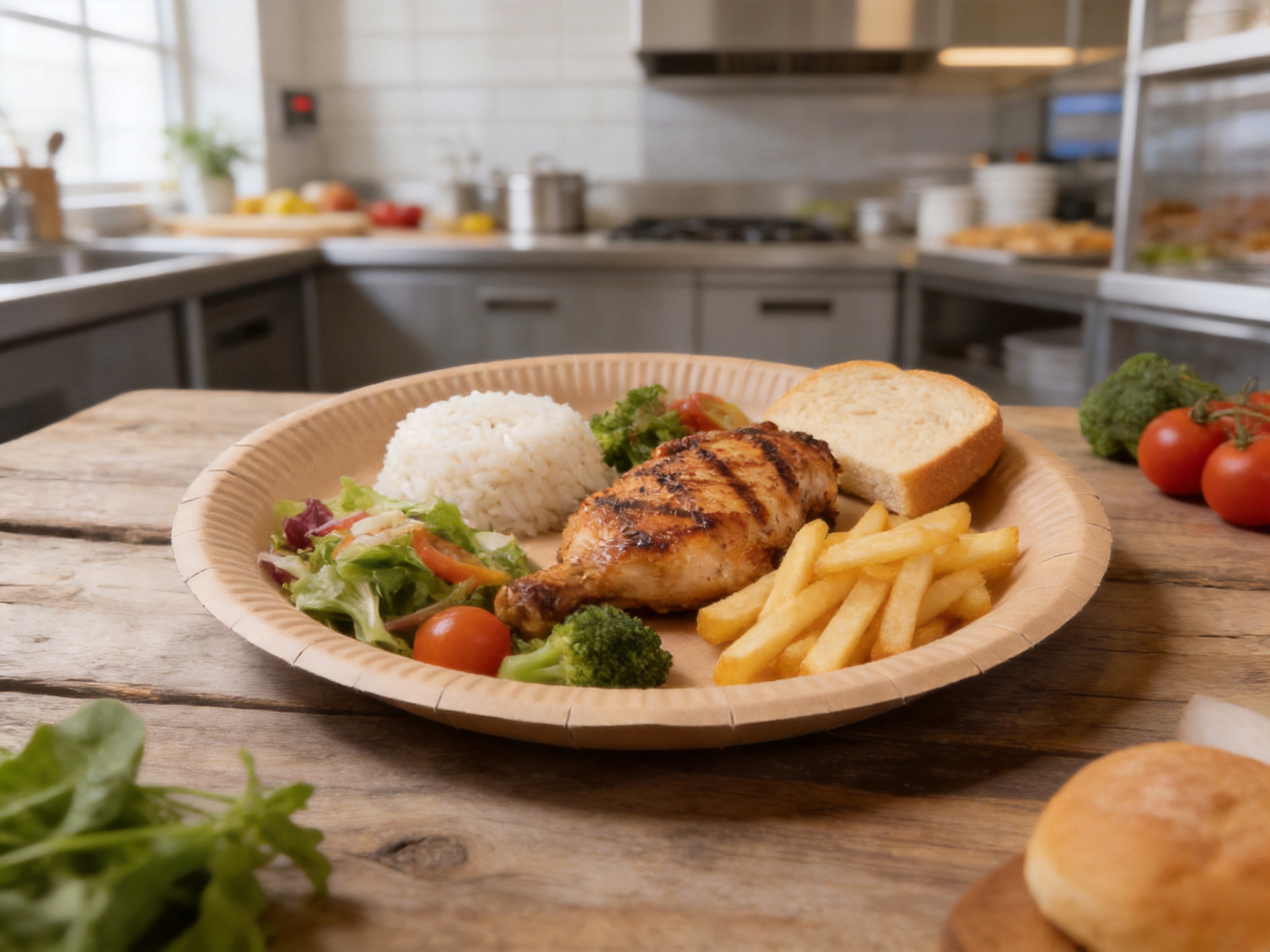
For takeaway and quick-service operators, the size can support combination meals and promotional menu formats. A grilled chicken meal with vegetables and rice, a sandwich with fries, a breakfast set, or a sampling platter can all be arranged on a large kraft tray plate. The result is a complete meal presentation that feels intentional rather than improvised.
For outdoor dining and festivals, plate size also affects comfort. Customers often eat while walking, standing, or sitting in informal settings. A wider surface provides better balance and reduces the risk of food sliding over the edge. When a tray plate is designed with appropriate stiffness and shape, it can deliver a better experience than thin disposable plates that bend under weight.
Key Advantages Over Conventional Disposable Plates
One of the strongest advantages of the 10.5-Inch Kraft Food Tray Plate is its ability to combine environmental responsibility with practical performance. Conventional disposable plates are often associated with foam, plastic, or thin coated paper that may feel weak, appear generic, or conflict with modern sustainability expectations. Kraft paper offers a more natural impression and can help food businesses communicate eco-friendly values immediately.
Compared with foam plates, kraft paper plates offer a more premium look and avoid the negative perception many customers have toward expanded polystyrene food packaging. Foam can feel outdated and environmentally problematic, especially in markets where foam restrictions or bans are expanding. Kraft paper, by contrast, is associated with renewable resources and responsible food service.
Compared with plastic plates, kraft food tray plates provide a warmer, more food-friendly aesthetic. Plastic plates may be strong, but they often look artificial and may not support the image of brands focused on fresh, organic, handmade, or sustainable meals. Kraft paper has a natural texture and tone that reinforces authenticity.
Compared with thin paper plates, a properly manufactured kraft tray plate can provide better rigidity and a more stable serving experience. Thin plates may collapse when holding sauces, hot foods, or heavier meal portions. A tray-style kraft plate can be designed for improved strength, making it more suitable for main courses and catering environments.
Compared with reusable plates, disposable kraft paper plates reduce labor needs in high-volume environments. Reusable tableware can be excellent for permanent dining rooms, but it requires washing, storage, transport, labor, and breakage management. For outdoor events, corporate lunches, food fairs, emergency meal distribution, and temporary venues, a high-quality disposable option is often more realistic.
Material Benefits of Kraft Paper
Kraft paper is widely used in sustainable food packaging because it offers a strong balance between durability, appearance, and environmental appeal. The word “kraft” is associated with strength, and kraft paper is known for its resistance to tearing and its ability to handle a range of food service applications when properly formed and processed.
The natural brown color of kraft paper helps reduce the need for heavy bleaching, depending on the material specification. This natural appearance is also highly compatible with eco-friendly branding. Consumers increasingly respond to packaging that looks simple, recyclable, compostable, or biodegradable. Even before reading a label, many customers identify kraft packaging as a greener choice.
Kraft paper also supports customization. Food brands can use printed logos, slogans, product information, QR codes, event branding, or seasonal graphics. Because the surface has a warm and organic appearance, simple one-color printing can look elegant and cost-effective. For premium food service, minimal branding on kraft material can create a sophisticated presentation without excessive decoration.
Another benefit is versatility. Kraft paper products can be manufactured into plates, trays, bowls, cups, food containers, napkins, paper bags, wrapping paper rolls, and table covers. For food service operators, this creates the possibility of a unified packaging family. A brand can use kraft paper plates, matching cups, napkins, and containers to create a consistent customer experience.
Applications in Catering and Food Service
The 10.5-Inch Kraft Food Tray Plate is suitable for a wide range of commercial scenarios. In professional catering, it can be used for weddings, corporate events, community gatherings, conferences, private parties, school events, sports activities, and exhibitions. Because it is disposable, it simplifies cleanup after high-volume meal service. Because it is kraft paper, it elevates the look compared with ordinary disposable tableware.
Restaurants and cafes can use the product for dine-in casual meals, outdoor seating, takeaway presentations, tasting menus, and promotional events. Food trucks and street food vendors can benefit from the plate’s ability to hold generous portions while remaining lightweight and easy to store. The tray style is especially useful when food is served quickly and customers may not have access to a formal table.
Buffets and self-service dining areas can use the 10.5-inch format to help guests build complete plates without overloading smaller tableware. For hotels and banquet halls, kraft tray plates may be used in eco-themed events, garden parties, poolside service, or casual dining zones where reusable porcelain is less practical.
Supermarkets and prepared food counters can use kraft tray plates for sample tasting, ready-to-eat meal displays, or deli service. Bakeries can use them for pastries, bread assortments, cookies, cakes, and dessert platters. The natural kraft appearance enhances baked goods by creating a rustic and handmade visual effect.
In schools, cafeterias, and institutional dining, sustainable food packaging is becoming more important. A kraft paper plate can support educational messages about environmental responsibility while offering practical meal service. For public events and government facilities, eco-friendly disposable tableware can help align procurement practices with sustainability commitments.
Main courses require more from disposable tableware than snacks or desserts. A plate used for main meals must handle weight, moisture, temperature variation, and movement. Foods such as rice, noodles, grilled meats, roasted vegetables, fries, sandwiches, sauces, and salads create different performance demands. The 10.5-Inch Kraft Food Tray Plate is designed to serve as a dependable option for these heavier and more complex meals.
The large surface supports food separation and presentation. A caterer can place a protein item on one side, a starch in the center, and vegetables or salad on another side. This improves the visual impression of the meal and helps prevent flavors from mixing too much. For shared foods, the plate can hold appetizers, finger foods, or small portions for group dining.
Structural rigidity is important when guests carry food from a serving station to a table. A weak plate can bend and make the meal feel unstable. A well-designed kraft tray plate offers a stronger grip and better load distribution. This reduces the risk of spills and improves customer confidence.
Food safety is another key consideration. Materials used for food contact packaging must be selected and processed carefully. A professional manufacturer must manage raw material quality, hygienic production, controlled storage, and packaging procedures. Food service buyers should work with suppliers that understand these requirements and can provide consistent quality for commercial use.
Customization for OEM and ODM Projects
For distributors, restaurant groups, catering suppliers, and private-label brands, customization is a major advantage. The 10.5-Inch Kraft Food Tray Plate can be customized to support different brand identities, market requirements, and packaging strategies. OEM and ODM services allow buyers to go beyond standard products and create packaging that fits their business model.
Customization may include logo printing, pattern design, color selection, packaging quantity, carton marking, material specification, thickness adjustment, surface treatment, and size adaptation. A brand may want a minimalist kraft tray with a small printed logo, while another buyer may prefer full event branding for festivals or corporate catering. A distributor may need neutral packaging suitable for multiple end customers.
Private-label packaging is particularly useful in competitive food service markets. When a restaurant or catering company uses branded disposable tableware, the customer encounters the brand throughout the meal experience. The plate becomes more than a container; it becomes a communication tool. It can reinforce sustainability claims, display contact information, promote social media engagement, or simply improve perceived professionalism.
ODM support is also valuable when a buyer needs a new structure or modified performance. For example, a customer may require a slightly deeper tray edge, different diameter, improved stacking performance, or optimized carton size for warehouse efficiency. A manufacturer with design, research, development, production, and sales capabilities can help translate market needs into manufacturable products.
Manufacturing Strength Behind the Product
A high-quality kraft food tray plate depends not only on material selection but also on manufacturing control. Ningbo Kosda New Material Technology Co., Ltd. is a modern production enterprise established in 2015 and located in the Ningbo Binhai Economic Development Zone, China. Its location near one of the world’s most important deep-water ports by throughput provides logistical advantages for international shipping and bulk supply.
The company integrates design, research and development, production, and sales of paper products. This integrated structure helps improve communication between customer requirements, product engineering, material selection, production planning, and final delivery. For international buyers, working with a manufacturer that controls multiple stages of the process can reduce uncertainty and improve project efficiency.
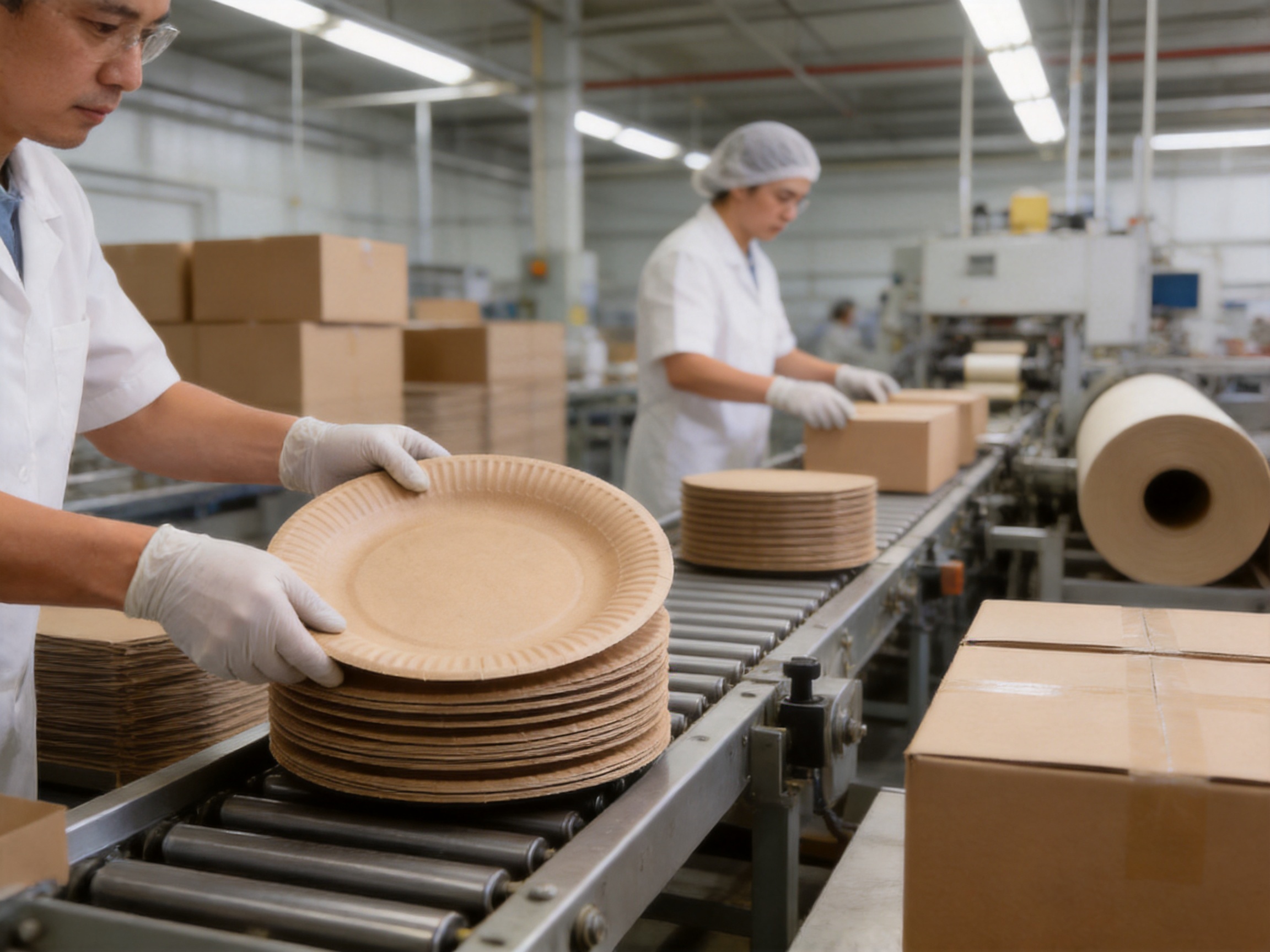
Advanced manufacturing for paper food packaging typically includes raw material inspection, forming, cutting, pressing, printing where required, quality inspection, counting, packaging, and warehousing. Each stage affects product consistency. For example, cutting precision influences shape accuracy. Forming pressure affects rigidity. Printing control affects brand appearance. Packaging quality affects cleanliness and transportation protection.
Quality-driven development is particularly important in disposable food service products because buyers often purchase in large quantities. Even small inconsistencies can create operational problems when thousands or millions of units are used. A manufacturer with quality management awareness can help ensure that plates stack properly, separate easily, maintain consistent dimensions, and meet expected food service performance.
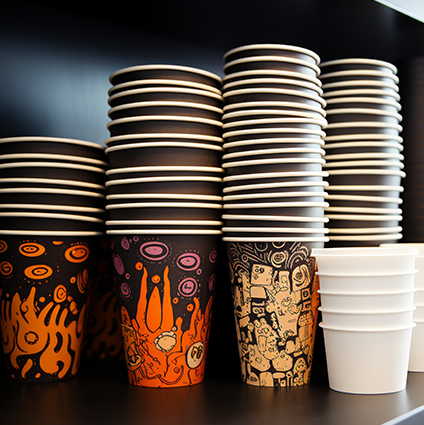
The company’s focus on green and environmentally friendly products aligns with global trends in sustainable food packaging. As more food service businesses move away from plastic and foam, suppliers with experience in paper-based tableware are becoming more important. The ability to provide paper plates, paper cups, paper napkins, paper food containers, wrapping paper rolls, and disposable paper tablecloths also supports comprehensive packaging procurement.
Advanced Production Process and Quality Control
The production of a kraft food tray plate begins with suitable paper-based raw materials. Material selection affects stiffness, food contact safety, appearance, and forming performance. A professional manufacturer evaluates the consistency of paper weight, surface quality, moisture level, and structural behavior before production. These checks help prevent problems such as warping, tearing, weak forming, or inconsistent color.
After raw material preparation, forming equipment shapes the kraft paper into the tray plate structure. Precision forming is essential because the product must maintain the correct 10.5-inch dimension and practical shape. A well-formed plate improves stacking, packing, and end-user handling. Consistent edges and stable structure also contribute to a more professional dining experience.
If printing or branding is required, production teams must manage ink compatibility, registration, drying, color consistency, and food packaging requirements. Printing on kraft paper can create a distinctive look, but it requires technical control to ensure that the design remains clear and attractive. Simple logos, eco statements, and custom graphics can all be implemented when the process is properly managed.
Quality inspection may include visual checks, dimensional measurement, stacking tests, weight verification, surface inspection, and packaging review. For food service products, cleanliness and packaging protection are also essential. Finished products must be packed in a way that protects them from dust, deformation, and moisture during storage and shipping.
Efficient production planning supports stable supply. Food service distributors and chain restaurants often need predictable lead times and repeat orders. Modern manufacturing capacity, organized warehousing, and proximity to export logistics can help maintain dependable delivery schedules. For buyers managing seasonal demand, event schedules, or retail distribution, reliable supply is as important as product quality.

Comparison with Competing Food Service Packaging Options
The market for disposable food service packaging includes many alternatives, each with advantages and limitations. The 10.5-Inch Kraft Food Tray Plate stands out because it delivers a useful combination of size, presentation, environmental positioning, customization potential, and cost-effective disposability. The following table summarizes how it compares with several common options.
| Packaging Option | Main Strength | Common Limitation | Advantage of 10.5-Inch Kraft Food Tray Plate |
|---|---|---|---|
| Foam Plate | Lightweight and low cost | Poor environmental image and limited premium appeal | More eco-conscious appearance and stronger alignment with sustainable food packaging trends |
| Plastic Plate | Good rigidity and moisture resistance | Petroleum-based image and potential regulatory pressure | Natural kraft look with better fit for eco friendly disposable tableware programs |
| Thin Paper Plate | Simple and inexpensive | May bend, absorb moisture, or look low-end | Larger tray-style format designed for main courses and better presentation |
| Reusable Ceramic Plate | Premium dining experience | Requires washing, transport, storage, and labor | Convenient for events, takeaway, outdoor dining, and high-volume service |
| Aluminum Tray | Good heat tolerance and shape retention | Metallic appearance may not fit all food concepts | Warmer natural presentation and easier branding for eco-focused meals |
This comparison shows that the kraft food tray plate is not simply another disposable plate. It occupies a practical middle ground between low-end disposables and high-cost reusable systems. It is convenient, visually appealing, customizable, and suitable for businesses that need scalable packaging with a sustainability message.
Branding and Customer Perception
Packaging influences how customers judge food quality. A meal served on weak, unattractive packaging may seem less valuable even if the food itself is excellent. Conversely, a well-designed kraft plate can enhance the perception of freshness, authenticity, and responsibility. This is especially important in competitive food service markets where customers make quick judgments based on presentation.
The kraft appearance naturally supports brand stories related to sustainability, handmade preparation, farm-style cooking, organic ingredients, local sourcing, and community events. Even for mainstream catering, kraft packaging helps create a more modern and responsible image. It signals that the food provider has considered the environmental impact of its service materials.
Custom printing further strengthens customer perception. A printed logo on a kraft tray plate can make an event feel organized and professional. For takeaway meals, branded plates may appear in customer photos shared on social media. For corporate catering, branded packaging can support event identity. For distributors, offering customizable kraft plates can help attract restaurants and caterers seeking differentiation.
Branding does not need to be complex. One-color printing on kraft material can be elegant and economical. Short messages such as “Eco-Friendly Choice,” “Made for Sustainable Catering,” or a brand slogan can reinforce values without overwhelming the product. The natural background already carries much of the visual message.
Role in Sustainable Food Packaging Strategies
Sustainable food packaging is a broad concept that includes material choice, resource efficiency, manufacturing responsibility, transportation efficiency, waste management, and consumer communication. The 10.5-Inch Kraft Food Tray Plate contributes to this strategy by offering a paper-based disposable tableware option that can replace less environmentally preferred materials in many scenarios.
For businesses transitioning away from plastic or foam, kraft paper plates are often a practical first step. They do not require major changes in food service workflow. Staff can use them like conventional disposable plates, while customers immediately notice the difference in appearance and environmental positioning. This makes adoption easier for restaurants, caterers, and event operators.
Material reduction is another part of sustainability. Because the 10.5-inch size can accommodate a complete meal, it may reduce the need for multiple containers or plates in certain applications. When one well-sized tray plate replaces several smaller items, packaging complexity and waste volume may be reduced. Of course, the best configuration depends on menu type and service format, but appropriate sizing is an important packaging design principle.
Communication also matters. Sustainable packaging works best when customers understand why it was chosen. A kraft tray plate can be paired with signage, menu notes, or printed messages explaining the business’s commitment to eco-friendly paper products. This can improve customer satisfaction and strengthen brand loyalty, especially among environmentally aware consumers.
Operational Benefits for Food Service Businesses
Beyond environmental appeal, the 10.5-Inch Kraft Food Tray Plate offers practical operational benefits. It is disposable, so it reduces dishwashing labor and equipment needs. It is lightweight, so it is easier to transport and distribute at events. It is stackable, so it can be stored efficiently. It is suitable for bulk purchasing, which is important for caterers and distributors managing high-volume demand.
The plate’s size can simplify menu planning. Rather than stocking many plate sizes for different meals, businesses may use the 10.5-inch tray plate as a versatile solution for main courses, shared foods, and generous portions. This reduces inventory complexity and helps purchasing teams manage stock more efficiently.
For event organizers, quick cleanup is a major advantage. After a large gathering, reusable tableware requires collection, sorting, washing, drying, and storage. Disposable kraft plates streamline post-event operations. When paired with appropriate waste handling systems, they can support cleaner and more efficient event management.
For distributors, a product like this can serve multiple customer segments. It can be sold to restaurants, catering companies, food trucks, hotels, institutions, retail stores, and event suppliers. The combination of sustainability positioning and practical size gives it broad market appeal. Customization options can further increase value for wholesale and private-label channels.
Food Presentation Advantages
Presentation is not only for fine dining. Even casual meals benefit from thoughtful arrangement. The 10.5-inch kraft tray plate provides a broad surface that helps food look abundant and organized. A burger and fries can be placed comfortably without crowding. A salad can spread naturally. A rice bowl-style dish can be served with sides. Pastries can be arranged with space between items.
The kraft color contrasts well with many foods. Green salads, golden fries, grilled meats, bright sauces, fresh fruit, and baked goods all stand out against the warm brown background. This can improve visual appeal for dine-in customers and for photographs. In an era when customers often share food images online, packaging appearance can influence brand exposure.
The tray plate also fits rustic, natural, and minimalist design themes. It works well at outdoor weddings, farmers’ markets, organic cafes, barbecue events, bakery counters, and eco-conscious corporate gatherings. Unlike glossy plastic or plain white paper, kraft material has character. It makes the food environment feel more intentional.
Supply Chain and Export Advantages
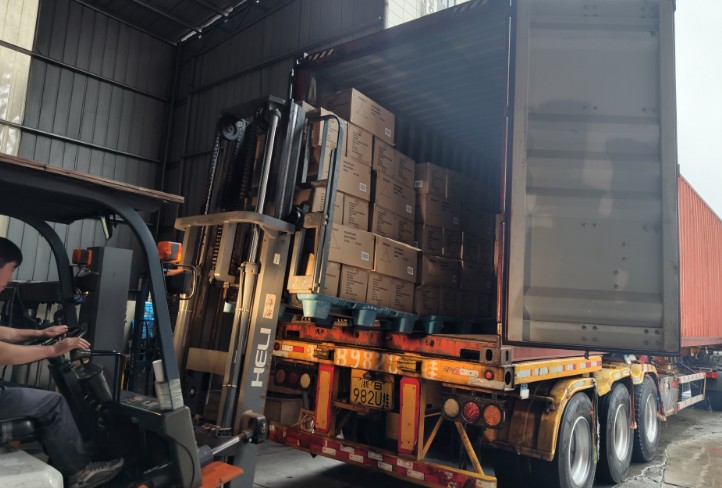
Reliable supply is essential for food service packaging buyers. A plate may be well designed, but if supply is inconsistent, it creates risk for restaurants and distributors. Ningbo Kosda New Material Technology Co., Ltd. benefits from its location in Ningbo, a major manufacturing and logistics region with access to global shipping routes. Proximity to a major deep-water port can help support export efficiency and international order fulfillment.
For overseas buyers, working with a manufacturer that understands OEM and ODM production can reduce development time. Instead of sourcing design, production, and packaging separately, customers can collaborate with one manufacturing partner. This supports clearer communication, better cost control, and faster product iteration.
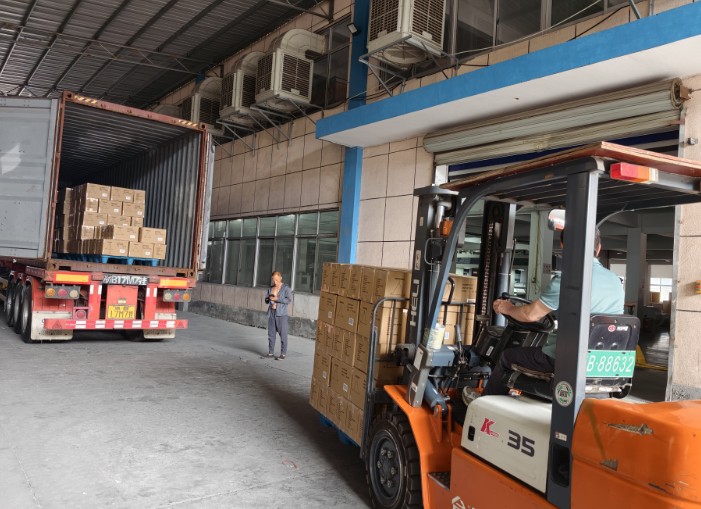
Bulk supply also requires strong production organization. Food service packaging is often purchased by the carton, pallet, or container. The manufacturer must manage production scheduling, carton packing, labeling, inspection, and shipment preparation. A modern paper products enterprise with integrated production and sales capabilities can better support these requirements.
Export customers may also need documentation, product specifications, packaging details, and quality consistency for repeat orders. A supplier focused on professional service can help buyers plan procurement cycles, adapt to seasonal demand, and maintain stable inventory.
How the Product Supports Distributors and Wholesalers
Distributors and wholesalers need products that are easy to explain, easy to sell, and suitable for many customers. The 10.5-Inch Kraft Food Tray Plate meets these needs because its benefits are immediately understandable: large size, kraft paper appearance, eco-friendly positioning, food service practicality, and customization potential. These features make it suitable for catalog sales, restaurant supply channels, e-commerce platforms, and private-label distribution.
Wholesalers can position the product as part of a sustainable food packaging line. It can be offered alongside paper cups, paper napkins, paper food containers, wrapping paper rolls, and disposable paper tablecloths. A complete product family helps buyers standardize their packaging and strengthens supplier relationships.
The product also appeals to customers upgrading from basic disposable plates. Many small restaurants and caterers begin with low-cost disposables but later seek better presentation and sustainability. A kraft tray plate offers an accessible upgrade without requiring a shift to expensive reusable systems. This creates strong sales potential in growing markets.
For private-label distributors, customization can create brand loyalty. Instead of selling a generic plate, the distributor can offer packaging under its own name, with custom cartons and specifications suited to local market preferences. This can improve margins and market differentiation.
Design Considerations for Menu Compatibility
When choosing a disposable plate, food businesses should consider menu type, portion size, moisture level, temperature, customer eating environment, and disposal expectations. The 10.5-Inch Kraft Food Tray Plate is especially suitable for dry to moderately moist foods and general meal service. For very liquid-heavy foods, businesses may pair it with bowls or food containers from the same paper product range.
Menus that pair well with this plate include grilled meals, barbecue items, sandwiches, burgers, fries, tacos, wraps, salads, bakery assortments, breakfast sets, pasta portions with moderate sauce, rice dishes, finger foods, and tasting platters. The large surface is useful for mixed meals and combination plates.
Caterers should test the plate with their specific menu before large-scale use. This is a standard best practice for any food packaging choice. Testing can confirm load capacity, grease performance, heat tolerance, customer handling comfort, and presentation quality. A professional manufacturer can provide samples and support customization if adjustments are needed.
For businesses using sauces or oily foods, product specification and possible surface treatment should be discussed during procurement. The correct configuration depends on regulatory requirements, disposal goals, and performance expectations. OEM and ODM manufacturing support allows buyers to select the most suitable version for their market.
Environmental Communication Without Greenwashing
Eco-friendly packaging claims should be clear, accurate, and responsible. The 10.5-Inch Kraft Food Tray Plate can be described as a biodegradable kraft paper food tray plate and an eco-friendly alternative for many catering applications. However, businesses should communicate disposal instructions according to local waste management systems and applicable regulations.
Responsible environmental communication builds trust. Instead of making vague claims, food service brands can explain that they are reducing reliance on plastic or foam, choosing paper-based disposable tableware, and working with suppliers focused on green paper products. If additional certifications or testing are required for a specific market, buyers should request relevant documentation from the manufacturer.
Customers appreciate transparency. A simple message such as “Served with kraft paper tableware as part of our sustainable packaging program” can be effective. It tells customers what has changed without exaggeration. Over time, consistent use of eco-friendly paper products can become part of a company’s identity.
Procurement Considerations for Buyers
Commercial buyers should evaluate several factors before purchasing the 10.5-Inch Kraft Food Tray Plate in bulk. These include material specification, size tolerance, strength, stacking performance, packaging quantity, carton dimensions, printing options, minimum order quantity, production lead time, shipping method, and documentation requirements.
Buyers should also consider how the product fits into their complete packaging system. A restaurant may need matching cups and napkins. A caterer may need disposable paper tablecloths and food containers. A distributor may need multiple sizes of kraft plates. Choosing a manufacturer with a broad paper product portfolio can simplify sourcing.
Customization discussions should begin with clear requirements. Buyers should provide logo files, target market, food type, desired packaging quantity, and expected order volume. If performance requirements are important, such as additional stiffness or specific grease resistance, these should be communicated early. This allows the manufacturer to recommend suitable materials and production methods.
Sampling is valuable before mass production. Samples allow buyers to test the plate in real service conditions. They can check how it feels in the hand, how it presents food, how it stacks, and how it performs during transport. Feedback from kitchen staff and customers can guide final specifications.
Why Manufacturing Experience Matters
In disposable food packaging, manufacturing experience directly affects product reliability. A plate may look simple, but producing it consistently at scale requires technical knowledge. Paper behavior changes with moisture, pressure, temperature, and forming conditions. Printing on kraft material requires process control. Packing must protect the product during long-distance shipping.
Ningbo Kosda New Material Technology Co., Ltd. has developed as a large modern production enterprise integrating design, research and development, production, and sales of paper products. This structure supports continuous improvement and customer-oriented service. The company’s commitment to quality-driven development and green products reflects the priorities of modern food service packaging buyers.
Experience is also important in OEM and ODM projects. Custom packaging must be attractive, functional, manufacturable, and cost-effective. A capable manufacturer can advise on design feasibility, material selection, production efficiency, and packaging logistics. This reduces the risk of delays or quality issues.
For international buyers, supplier communication and service efficiency are also important. A modern manufacturer that starts from customer needs can help create high-quality and efficient solutions. In competitive food service markets, responsive support can make the difference between a successful launch and a delayed project.
Q&A Section
What is the 10.5-Inch Kraft Food Tray Plate used for?
It is used for serving main courses, shared foods, buffet meals, takeaway meals, event catering, outdoor dining, bakery assortments, snacks, and casual food service. Its large 10.5-inch size gives it enough space for complete meal presentations.
Why is kraft paper a good material for disposable food service packaging?
Kraft paper offers a natural appearance, practical strength, and strong environmental appeal. It is well suited for brands that want packaging with a simple, eco-conscious, and premium look compared with plastic, foam, or thin generic paper plates.
How does this product compare with foam or plastic plates?
Foam and plastic plates may be lightweight or rigid, but they often carry a less favorable environmental image. The kraft food tray plate offers a more natural presentation and better alignment with sustainable food packaging and eco friendly disposable tableware trends.
Can the plate be customized?
Yes. Customization may include logo printing, packaging design, carton configuration, material adjustments, thickness selection, size adaptation, and other OEM or ODM requirements. This makes the product suitable for restaurants, distributors, caterers, and private-label brands.
Is the product suitable for main courses?
Yes. The 10.5-inch format is designed for larger portions and main meal service. It can hold foods such as sandwiches, grilled items, rice dishes, salads, fried foods, bakery products, and combination meals, depending on the specific menu and service conditions.
What types of businesses can benefit from this product?
Catering companies, restaurants, cafes, food trucks, hotels, supermarkets, bakeries, event organizers, schools, institutions, distributors, and wholesalers can all benefit from using or selling this kraft paper food tray plate.
Why is the manufacturer important when choosing disposable paper tableware?
The manufacturer affects material quality, forming precision, food contact safety, printing quality, consistency, packaging protection, and delivery reliability. A manufacturer with integrated design, research, development, production, and sales capabilities can better support customized and large-volume projects.
Can this plate be part of a broader sustainable packaging program?
Yes. It can be combined with paper cups, paper napkins, paper food containers, wrapping paper rolls, and disposable paper tablecloths to create a complete eco-friendly paper product solution for food service operations.
Conclusion
The 10.5-Inch Kraft Food Tray Plate is a practical and attractive solution for businesses seeking better food service packaging. It provides the generous size needed for main courses and shared foods, the natural visual appeal of kraft paper, and the environmental positioning expected from modern disposable tableware. For catering services, restaurants, distributors, and event operators, it offers a strong alternative to foam, plastic, and low-grade paper plates.
Its advantages go beyond appearance. The product supports operational efficiency, customizable branding, broad menu compatibility, and sustainable packaging strategies. When produced by a professional manufacturer with advanced paper product capabilities, it can meet the needs of both standard bulk purchasing and specialized OEM or ODM projects.
Ningbo Kosda New Material Technology Co., Ltd. brings manufacturing strength, green product focus, and integrated service capabilities to the production of eco-friendly paper products. With experience in paper plates, paper cups, paper napkins, paper food containers, wrapping paper rolls, and disposable paper tablecloths, the company is positioned to support food service buyers who need reliable, scalable, and environmentally responsible packaging solutions.
As consumer expectations and regulatory pressures continue to shift toward sustainable food packaging, products like the 10.5-Inch Kraft Food Tray Plate will become increasingly important. It is not only a plate; it is a packaging choice that reflects values, improves presentation, supports efficient service, and helps food businesses move toward a greener future.
References
Food and Agriculture Organization of the United Nations. Sustainable Food Systems and Packaging Considerations.
International Organization for Standardization. Environmental Labels and Declarations: Principles and Procedures.
European Commission. Packaging and Packaging Waste Policy Guidance.
United States Environmental Protection Agency. Sustainable Materials Management and Food Service Packaging.
Smithers. The Future of Sustainable Packaging: Market Trends and Material Development.
Paper and Packaging Board. Paper-Based Packaging Performance and Consumer Perception Studies.
World Packaging Organisation. Packaging Design for Sustainability and Food Safety.
Product: 10.5-Inch Kraft Food Tray Plate – Eco-Friendly
Your email address will not be published. Required fields are marked *

-
Modern Green And Environmentally Friendly Paper Product Manufacturer
-
Quick Links
Home About Us Products News Contact Us -
Product Categories
Paper Plates Paper Cup Paper Napkin Paper Food Container Disposable Paper Tablecloth Wrapping Paper Roll Paper Cutlery -
Contact Us
 Tel: +86-13967818265
0086-13646629749 E-mail: [email protected]
E-mail: [email protected]
E-mail: [email protected]
E-mail: [email protected]
 Whatsapp: 008613646629749
 Add: 1036 Cidong Avenue, Binhai Economic Development Zone, Ningbo City, Zhejiang Province, China
