
-
About Us
Why Choose Us?
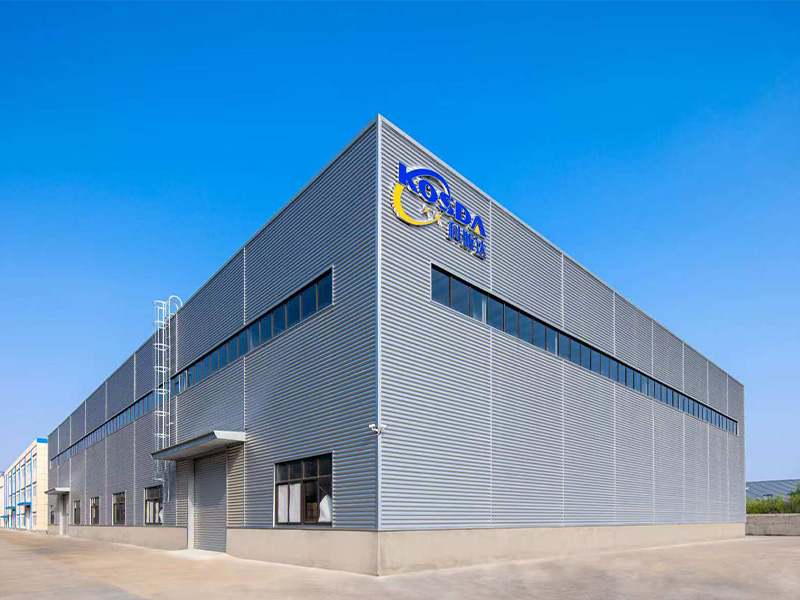
Ningbo Kosda New Material Technology Co., Ltd. was established in 2015 and is located in the Ningbo Binhai Economic Development Zone, China, which is the world's largest deep-water port in terms of throughput and a civilized city in China. It is a large modern production enterprise that integrates the design, research and development, production, and sales of paper products. The company adheres to the principle of quality development, advocates green and environmentally friendly products, and promotes the industrialization of high-tech. Starting from meeting customer needs, we provide high-quality and efficient services.
 Modern Green And Environmentally Friendly Paper Product Manufacturer
 -
Products

-
News

 English
 French
 Español
 German

Industry News
What does "paper cup" mean?
Content
- 1 Paper Cup Manufacturer: What You Need to Know Before Sourcing
- 2 Global Market Overview and Growth Drivers
- 3 Core Materials Used by Paper Cup Manufacturers
- 4 Paper Cup Production Process: From Paperboard to Finished Cup
- 5 Product Range: Sizes, Types, and Configurations
- 6 Custom Paper Cups: Branding, Printing, and Design Options
- 7 Biodegradable and Eco-Friendly Paper Cups: Standards and Certifications
- 8 Wholesale Paper Cups: Sourcing Strategy and Key Considerations
- 9 Quality Control Standards for Paper Cup Suppliers
- 10 About Ningbo Kosda New Material Technology Co., Ltd.
- 11 Frequently Asked Questions
Paper Cup Manufacturer: What You Need to Know Before Sourcing
A paper cup manufacturer is a factory or production enterprise that designs, fabricates, and supplies disposable cups made primarily from food-grade paperboard with functional coatings. These manufacturers serve a global market that spans restaurants, cafes, hotels, hospitals, office spaces, event organizers, and retail brands. Choosing the right manufacturer directly determines your product quality, compliance, delivery reliability, and ultimately your brand reputation. The global disposable paper cup market was valued at approximately USD 10.5 billion in 2023 and is projected to reach USD 16.2 billion by 2032, reflecting a compound annual growth rate of around 4.9%. This growth is fueled by rising coffee consumption, increasing urbanization, and a global shift toward hygienic single-use serviceware. For buyers, this means the sourcing pool is vast but differentiation in quality and sustainability is critical.
Understanding what a paper cup manufacturer does, what quality benchmarks they must meet, and how to evaluate them separates a profitable sourcing decision from a costly one. This article provides a comprehensive, fact-based guide covering materials, production processes, customization options, sustainability considerations, and practical sourcing advice.
Global Market Overview and Growth Drivers
The paper cup industry sits at the intersection of foodservice convenience, environmental accountability, and consumer behavior. Demand is not monolithic: hot beverage cups, cold beverage cups, ice cream cups, soup cups, and specialty event cups each represent distinct product lines with specific material and coating requirements. The fastest-growing segments include biodegradable paper cups and double-wall insulated cups, as operators seek to reduce complaints about heat transfer while meeting sustainability commitments.
The horizontal bar chart above illustrates the regional distribution of the global paper cup market. Asia-Pacific commands the largest share at 38%, largely driven by China's massive manufacturing base and the surging coffee culture across Southeast Asia. North America holds 28% of the market, supported by the entrenched takeaway coffee and food-on-the-go culture. Europe at 22% is notable for its regulatory push toward compostable and recyclable materials, which is reshaping product specifications across the industry. Latin America and the Middle East and Africa together account for the remaining 12%, but both regions are experiencing above-average growth rates driven by expanding urban middle-class populations. Understanding these regional dynamics helps buyers align their sourcing strategy with where manufacturing expertise and compliance knowledge are most concentrated.
Core Materials Used by Paper Cup Manufacturers
Material selection is the foundation of paper cup performance. A manufacturer's material sourcing practices directly affect food safety, temperature retention, structural integrity, printability, and end-of-life recyclability. The primary materials used are:
- Virgin Bleached Paperboard (SBS): Solid bleached sulfate board is the industry standard for food-grade cups. It offers excellent printability, consistent caliper, and a clean white surface. Typical grammage for single-wall cups ranges from 170 gsm to 300 gsm depending on cup volume.
- Kraft Paperboard: Natural brown or light-brown board made from unbleached softwood pulp. Kraft cups are popular in specialty coffee and organic product markets because the unbleached aesthetic communicates natural and sustainable values. The fiber is strong, reducing the need for thick caliper.
- PE (Polyethylene) Coating: A thin laminated layer of food-grade polyethylene applied to the inner surface (and sometimes the outer surface) of the paperboard to create a liquid barrier. Standard single-PE coating is 15-18 gsm. Double-PE coating improves hot beverage performance.
- PLA (Polylactic Acid) Coating: A biobased, compostable alternative to PE derived from corn starch or sugarcane. PLA-coated cups are certified industrially compostable and meet standards such as EN 13432 (Europe) and ASTM D6400 (USA). They are the material of choice for buyers targeting compostability claims.
- Aqueous Barrier Coatings: Water-based dispersion coatings that replace plastic films entirely. These allow full recyclability in standard paper recycling streams. An emerging material segment with growing adoption in Europe and Australia.
- Double-Wall Insulation Layer: A second layer of fluted or corrugated paperboard bonded to the outer wall, creating an air gap that significantly improves heat insulation without requiring a separate sleeve. Used in double-wall hot cups.
Food safety compliance is non-negotiable. All materials used in direct food contact must comply with applicable regulations: FDA 21 CFR in the United States, EU Regulation 10/2011 for plastic materials in Europe, and GB 4806 series standards in China. Reputable paper cup manufacturers can provide material safety data sheets and third-party migration test reports on request.
Paper Cup Production Process: From Paperboard to Finished Cup
Understanding the manufacturing process helps buyers assess factory capability, quality control points, and the basis of minimum order quantities. The typical production sequence is:
- Paperboard Sourcing and Incoming Inspection: Raw board rolls are received and tested for grammage, moisture content, and caliper consistency before entering production.
- Printing: Fan-shape blanks (the flat side-wall pieces that will wrap around the cup) are printed using offset, flexographic, or digital printing. Offset delivers the highest print resolution for photographic or complex designs; flexo is efficient for large runs with spot colors.
- Die-Cutting: Printed blanks and base discs are die-cut to precise geometries. Accuracy at this stage is critical for proper seam formation and leak-proof assembly.
- Cup Forming: Automated cup-forming machines roll the side-wall blank into a cone, heat-seal the longitudinal seam with hot air or ultrasonic bonding, attach the base disc with a folded bottom seam, and curl the top rim outward. High-speed machines produce 150 to 300 cups per minute.
- Quality Inspection: Inline vision systems and sampling protocols check seam integrity, rim curl consistency, dimensional accuracy, and print registration. Leak tests are performed by water-filling batches of cups.
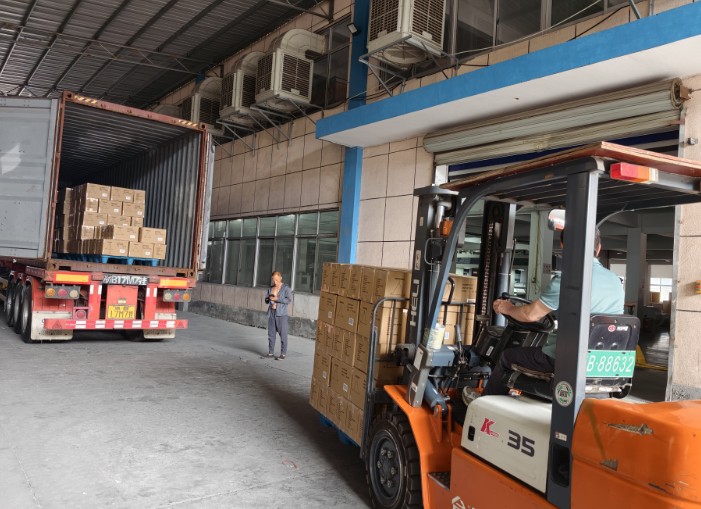
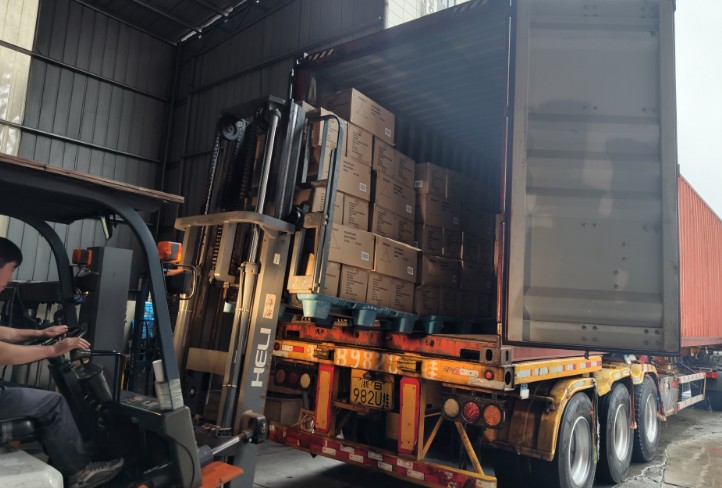
- Sleeving and Packaging: Cups are counted, sleeved in plastic or paper wraps, and packed into cartons for shipment. Palletizing and container loading are the final steps for export orders.
The line chart traces global paper cup production volume from 2019 to 2024. The slight dip in 2020 reflects pandemic-related disruptions to foodservice channels, particularly the temporary closure of cafes, restaurants, and office environments that are primary consumption points. Production rebounded strongly from 2021 onward, reaching approximately 265 billion units in 2024, as foodservice reopened and delivery and takeaway behaviors became structurally entrenched. The consistent upward trajectory from 2021 to 2024 demonstrates that the pandemic ultimately accelerated hygienic single-use adoption rather than reversing it. For buyers, this trend signals that manufacturer capacity is expanding globally, which creates favorable conditions for competitive pricing and production lead time negotiation. Monitoring production volume trends also helps buyers anticipate raw material supply tightness, which tends to occur when demand growth outpaces paperboard mill expansion.
Product Range: Sizes, Types, and Configurations
A capable paper cup manufacturer will offer a comprehensive product portfolio to serve different use cases. The standard range includes the following cup categories:
| Cup Type | Size Range | Coating | Typical Application | Key Feature |
|---|---|---|---|---|
| Single-Wall Hot Cup | 4 oz - 20 oz | PE or PLA (inner) | Coffee, tea, hot beverages | Economy, sleeve compatible |
| Double-Wall Hot Cup | 8 oz - 16 oz | PE or PLA (inner) | Specialty coffee, premium foodservice | No sleeve needed, enhanced insulation |
| Cold Cup | 9 oz - 32 oz | PE (inner + outer) | Iced drinks, smoothies, lemonade | Condensation resistant |
| Kraft Paper Cup | 4 oz - 16 oz | PE or PLA | Organic cafes, eco-conscious brands | Natural aesthetic, strong fiber |
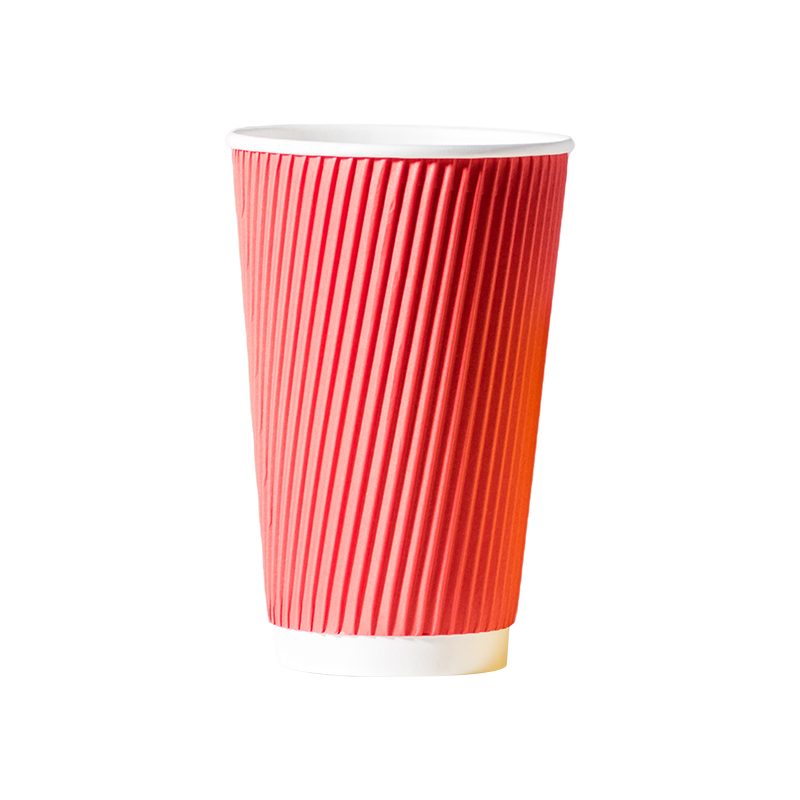
| Ripple-Wall Cup | 8 oz - 16 oz | PE (inner) | Premium hot drinks, retail | Textured outer grip, distinctive look |
| Compostable PLA Cup | 8 oz - 20 oz | PLA (inner) | Eco events, green procurement | EN 13432 / ASTM D6400 certified |
This product range demonstrates the breadth that a full-service paper cup manufacturer must maintain. Single-wall cups remain the volume backbone, accounting for an estimated 55% to 60% of total units sold globally. Double-wall cups carry higher unit margins and are growing faster in percentage terms, driven by premium coffeehouse expansion. Kraft cups have seen particularly strong growth in North America and Europe as retail brand owners seek packaging that visually communicates eco-consciousness. Ripple-wall and specialty cups address niche premium positioning. Buyers should clarify their target end-use environment and customer expectations before finalizing product type, as switching coating or wall structure later involves re-tooling costs and requalification time.
Custom Paper Cups: Branding, Printing, and Design Options
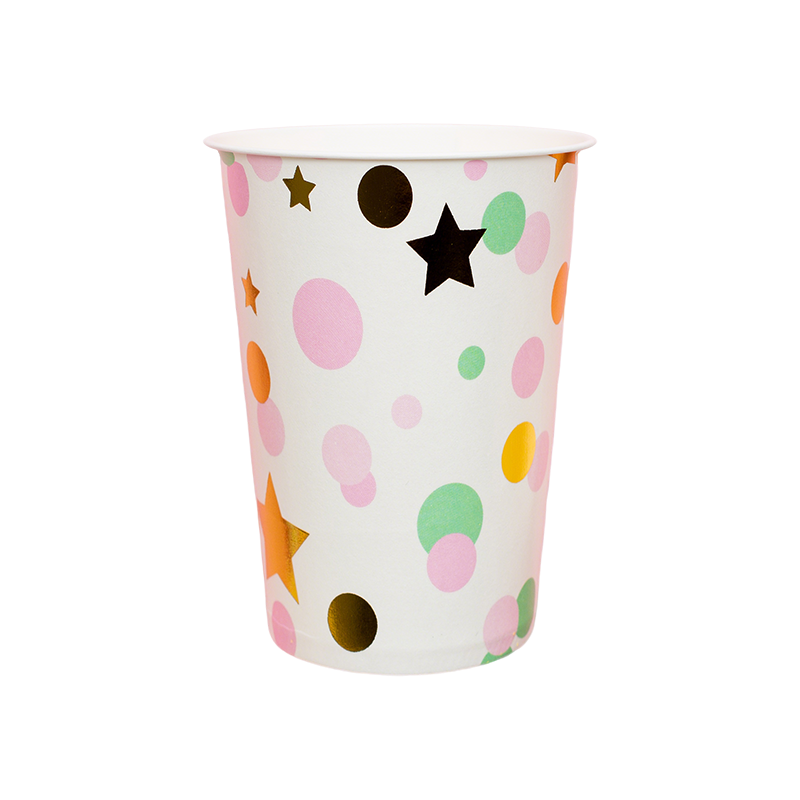
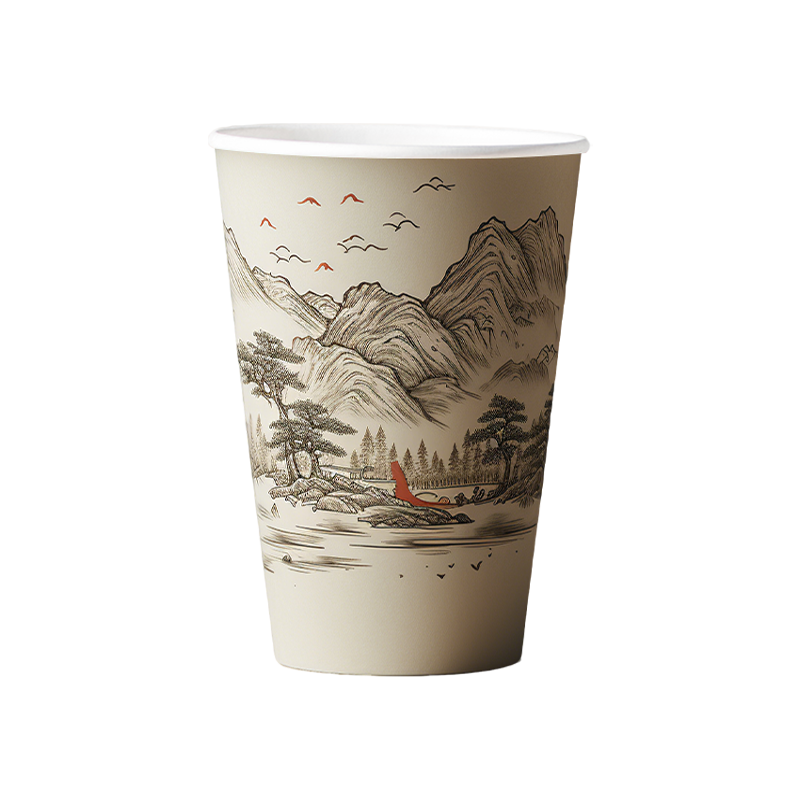
Custom paper cups are one of the most powerful brand touchpoints in foodservice. When a customer holds a cup bearing your brand's colors, logo, and messaging, that moment generates active brand impressions at negligible incremental media cost. Studies indicate that branded disposable cups generate between 500 and 5,800 visual impressions per cup during its journey from counter to disposal, depending on the consumption environment. For event-based use, branded cups create shareable visual moments that extend reach through social media.
Custom paper cup production involves the following key decisions:
- Artwork and Design: Manufacturers require vector artwork (AI, EPS, or PDF format) for print-ready files. Fan-shape templates are provided by the manufacturer to ensure correct distortion compensation for the tapered cup geometry.
- Print Method: Offset printing delivers photographic quality and consistent Pantone color matching. Flexographic printing is more suitable for runs exceeding 50,000 units with solid color areas. Digital printing is available for short runs but at higher per-unit cost.
- Color Count: Standard orders run 1 to 4 spot colors. Full-color CMYK printing is available for complex artwork with photography or gradients. Additional colors increase plate costs and setup fees.
- Surface Finish: Glossy, matte, or soft-touch outer coatings are available for premium feel. Matte finishes trend strongly in specialty coffee and health brand packaging.
- Minimum Order Quantities: Typical MOQs for custom printed cups range from 10,000 to 50,000 units per SKU. Lower MOQs are available with digital printing but at a cost premium. Buyers consolidating multiple cup sizes into one print run may negotiate lower per-size MOQs.
- Lead Times: Standard custom production lead times run 20 to 35 days from art approval. Freight time from Chinese manufacturers to European or North American ports adds 25 to 40 days depending on routing and transit mode.
The column chart above shows the revenue split between custom-printed and stock paper cups within the total manufacturer sales mix. Custom cups generate approximately 62% of total revenue despite typically representing a smaller share of unit volume, due to the design, plate setup, and premium material premiums they carry. This revenue concentration in custom products reflects the high perceived value that brand-critical buyers assign to packaging that builds visual identity. Stock cups continue to serve a vital role for smaller operators, event organizers, and buyers who require fast replenishment without lead time constraints. The gap also reveals a commercial opportunity: manufacturers that invest in digital print capacity can serve the significant market segment of buyers who want customization but cannot commit to offset-scale minimum orders. For buyers, this data supports allocating a larger share of packaging budget to custom cups when brand visibility and customer experience are priority goals.
Biodegradable and Eco-Friendly Paper Cups: Standards and Certifications
Sustainability claims in paper cup packaging are subject to increasing regulatory scrutiny and consumer skepticism. Buyers who intend to market their cups as eco-friendly, compostable, or biodegradable must understand the specific certifications that substantiate those claims. Vague environmental messaging without certification backup exposes brands to greenwashing accusations and potential legal liability in jurisdictions with strict eco-labeling laws.
The key certifications relevant to eco paper cups are:
- EN 13432 (Europe): The European standard for compostable packaging. Requires that the material disintegrates by more than 90% within 12 weeks and fully biodegrades within 6 months in industrial composting conditions. PLA-coated cups tested against this standard can carry the seedling logo.
- ASTM D6400 (USA): The American standard for compostable plastics in municipal and industrial composting facilities. Equivalent in intent to EN 13432 but uses different test methodologies. The BPI (Biodegradable Products Institute) certification uses this standard.
- FSC Certification: Forest Stewardship Council certification on the paperboard component certifies that the fiber was sourced from responsibly managed forests. This does not make the cup compostable but demonstrates responsible sourcing and is recognized by procurement sustainability frameworks globally.
- OK Compost (Vincotte/TUV Austria): A widely recognized European compostability mark available in industrial and home composting variants. Home compostable certification is stricter, requiring degradation at lower temperatures.
- Seedling Logo (DIN CERTCO / ABA): The EU-recognized seedling symbol that can appear on packaging certified to EN 13432. Provides immediate visual communication of industrial compostability to consumers.
The radar chart compares PLA-coated compostable cups against standard PE-coated cups across six performance dimensions. PLA cups excel in compostability, which is their primary differentiator and the reason buyers pay a 15% to 30% cost premium over equivalent PE cups. PE-coated cups demonstrate advantages in cost efficiency, structural strength, and to a degree in printability consistency, since PE coatings have a longer track record in print-line calibration. Insulation performance is relatively similar between both types at the single-wall level, though double-wall construction improves both. Print quality is strong for both types when using quality SBS board as the substrate. Strength is slightly lower in PLA cups at equivalent caliper because PLA film has different thermal bonding characteristics, but modern PLA cup forming machines have largely addressed this through improved seam sealing protocols. Buyers must weigh these tradeoffs against their sustainability commitments, end-market price sensitivity, and local composting infrastructure availability.
Wholesale Paper Cups: Sourcing Strategy and Key Considerations
Sourcing paper cups at wholesale scale requires a structured evaluation of manufacturer capability, compliance credentials, logistics infrastructure, and commercial terms. The following considerations apply regardless of whether you are sourcing from a domestic supplier or an international paper cup factory:
Factory Audit and Certification Verification
Request ISO 9001 quality management certification and any food safety management certificates such as ISO 22000 or FSSC 22000. For buyers in regulated markets, ask for third-party migration test reports confirming compliance with FDA or EU food contact regulations. Factory audit reports from recognized auditing firms (SGS, Bureau Veritas, Intertek) provide independent verification of claimed production capacity and quality systems.
Minimum Order Quantities and Inventory Planning
Wholesale orders typically start at one full container load (FCL), equivalent to approximately 800,000 to 1,200,000 units of 8 oz cups depending on nesting density. For buyers with lower volume requirements, consolidation services or bonded warehouse programs with the manufacturer or a third-party logistics provider can provide access to manufacturer pricing without full FCL commitment. Inventory planning should account for 8 to 12 weeks of total supply chain lead time including production and ocean freight.
Payment Terms and Trade Finance
Standard payment terms for new buyer-manufacturer relationships are 30% deposit with purchase order and 70% balance against bill of lading copy. Established buyers may negotiate net 30 or net 60 open account terms. Letters of credit (LC) provide security for both parties in high-value first orders. Trade finance facilities from banks or fintech platforms can bridge the cash flow gap inherent in long lead time manufacturing.
Logistics and Import Compliance
Paper cups are classified under HS code 4823.69 in most customs jurisdictions. Import duties vary: the USA imposes a 0% to 3.4% duty on paper cups from most countries, while EU rates range from 0% to 6.5% depending on coating composition and origin. Buyers sourcing from China should confirm tariff treatment under applicable trade agreements and account for any applicable Section 301 tariffs in the US context.
The stacked bar chart illustrates a typical cost structure for landed wholesale paper cups from a Chinese manufacturer to a European or North American buyer. Raw materials account for the largest single cost component at 42%, which means paperboard and coating commodity price movements have the greatest influence on cup pricing. Buyers who track SBS paperboard and PE resin market indices have a significant advantage in timing purchase orders to capture favorable cost windows. Production and labor costs at 22% reflect the relatively labor-intensive nature of cup forming, quality inspection, and packaging. Logistics at 14% can fluctuate dramatically during periods of shipping capacity shortage, as experienced during 2021 and 2022, when ocean freight rates spiked three to five times their baseline levels. Understanding this cost structure enables buyers to have more informed conversations with manufacturers about pricing justification and to identify where efficiency improvements or volume consolidation can generate savings.
Quality Control Standards for Paper Cup Suppliers
Quality in paper cups encompasses dimensional accuracy, leak resistance, print fidelity, food safety compliance, and structural performance under intended use conditions. A reliable paper cup supplier maintains documented quality control procedures at each stage of production and can provide test reports demonstrating compliance with buyer specifications and regulatory requirements.
Key quality parameters that buyers should specify and verify include:
- Leak Test: 100% water-fill or air-pressure testing, or AQL sampling at acceptable quality level 1.0 or better. No seam leakage permitted at 72 hours of liquid contact.
- Top Rim Curl: Curl diameter and height must be within +/- 0.5 mm of specification to ensure compatibility with standard lids.
- Cup Height and Diameter: Dimensional tolerances of +/- 1 mm for body height and +/- 0.5 mm for top and bottom diameters.
- Basis Weight (Grammage): Paperboard grammage verified per reel and per production run using calibrated scales. Deviation exceeding +/- 3% indicates a specification non-conformance.
- Print Quality: Color density measured with spectrophotometer against approved Pantone or CMYK standards. Delta-E tolerance typically set at 3.0 or below for food packaging.
- Stacking Performance: Cups must denest smoothly from sleeves of 50 or 100 without jamming or excessive nesting force, ensuring dispensing machine compatibility.
Pre-shipment inspection conducted by an independent third-party inspector at the factory before container loading is strongly recommended for first-time orders and for any order above USD 20,000 in value. This investment, typically USD 250 to USD 400 per inspection day, provides meaningful protection against non-conformance being discovered only after goods arrive at destination.
About Ningbo Kosda New Material Technology Co., Ltd.
Ningbo Kosda New Material Technology Co., Ltd. was established in 2015 and is located in the Ningbo Binhai Economic Development Zone, China, which is the world's largest deep-water port in terms of throughput and a civilized city in China. It is a large modern production enterprise that integrates the design, research and development, production, and sales of paper products. The company adheres to the principle of quality development, advocates green and environmentally friendly products, and promotes the industrialization of high-tech. Starting from meeting customer needs, it provides high-quality and efficient services.
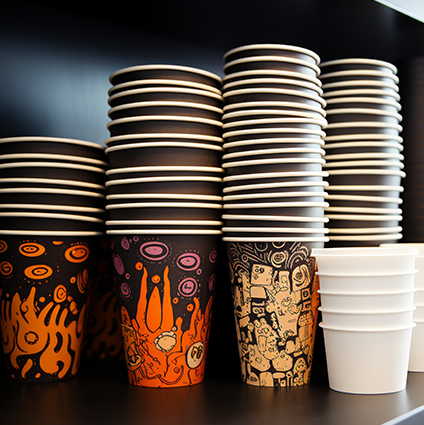
Located in Ningbo, one of China's premier port cities, Ningbo Kosda benefits from direct access to international shipping routes that connect to major markets across North America, Europe, Southeast Asia, and the Middle East. The company's comprehensive paper cup product range spans white coated and natural kraft paper cups in sizes from 4 OZ to 12 OZ, with full customization services covering materials, sizes, patterns, colors, and branding. Whether for Thanksgiving celebrations, Christmas gatherings, Halloween parties, or everyday commercial use, Ningbo Kosda delivers eco-friendly and recyclable options with reliable quality and sustainable credentials.
Frequently Asked Questions
Q1: What is the standard minimum order quantity for custom printed paper cups from a manufacturer?
A1: The standard minimum order quantity (MOQ) for custom printed paper cups from offset printing manufacturers typically ranges from 10,000 to 50,000 units per SKU (size and design combination). This MOQ exists because custom printing requires printing plate setup costs that are fixed regardless of run length. Smaller MOQs can be accommodated with digital printing, which eliminates plate setup but carries a higher per-unit cost. Buyers consolidating multiple sizes into a single print run order may negotiate lower per-size MOQs from flexible manufacturers. For stock cups without custom printing, MOQs are usually lower, starting at 5,000 units or one carton quantity.
Q2: What is the difference between biodegradable and compostable paper cups?
A2: These terms are related but distinct. Biodegradable means a material will break down through biological processes over time, but the term has no regulated timeframe requirement, which makes it a relatively weak environmental claim without certification. Compostable is a more specific and regulated claim: compostable materials must break down within a defined period (typically 12 weeks for disintegration, 6 months for full biodegradation) under specific industrial composting conditions, and the residue must not be toxic to plants. Paper cups certified to EN 13432 (Europe) or ASTM D6400 (USA) are properly certified compostable. Buyers should look for these specific certification marks rather than accepting uncertified biodegradable claims, which may not translate to meaningful environmental benefit in practice.
Q3: Can paper cups hold both hot and cold beverages?
A3: Most paper cups are engineered primarily for either hot or cold beverages, though some configurations can serve both. Hot cups use a single inner PE or PLA coating designed for liquid barrier performance at temperatures up to 90 to 95 degrees Celsius; the outer surface is typically uncoated or lightly coated. Cold cups use a double PE coating on both inner and outer surfaces to prevent condensation from softening and weakening the paperboard wall. Using a standard hot cup for cold beverages over extended periods can cause the outer wall to become soft and lose structural integrity. Double-wall hot cups provide superior insulation for hot drinks and can also hold cold beverages reasonably well due to the insulating air gap. For foodservice operators serving both hot and cold drinks, consulting with the manufacturer on a multi-purpose specification is advisable rather than assuming a single cup type will perform optimally in both applications.
Q4: How do I verify that a paper cup manufacturer is a legitimate and qualified supplier?
A4: Verification should proceed through several steps. First, request the manufacturer's business license, export license, and ISO 9001 certificate, and verify these independently through the issuing body's online verification portals. Second, ask for references from current buyers in your target market and follow up with those references directly. Third, request third-party food contact migration test reports from recognized laboratories such as SGS, Bureau Veritas, or Intertek, confirming compliance with FDA or EU food contact regulations. Fourth, commission an independent factory audit from a qualified auditing firm before placing the first significant order. Fifth, request physical samples and subject them to your own quality testing or have them tested by an independent laboratory. Manufacturers who are transparent, responsive, and proactively provide compliance documentation are significantly more likely to be reliable long-term partners than those who are evasive or slow to respond to documentation requests.
Q5: What information do I need to provide to get an accurate quotation from a paper cup manufacturer?
A5: To receive an accurate and comparable quotation, provide the following specifications: cup size in ounces or milliliters; cup type (single-wall, double-wall, ripple-wall); material preference (white SBS or kraft board, PE or PLA coating); print requirement (stock/plain or custom, number of colors, full color or spot color); annual volume estimate or per-order quantity; destination port for logistics cost calculation; and any specific certification requirements (FSC, EN 13432, FDA compliance). Also specify lid compatibility requirements if applicable, since rim curl dimensions must match lid specifications. The more complete and specific your inquiry, the more accurate and responsive the quotation will be. Vague inquiries tend to generate vague quotes that create renegotiation friction later in the sourcing process.
Q6: Are paper cups with polyethylene coating recyclable?
A6: PE-coated paper cups are technically recyclable but require specialized recycling facilities that can separate the plastic coating from the paper fiber. In most municipal recycling programs, PE-coated paper cups are not accepted in standard paper recycling bins because standard paper mills cannot efficiently process the mixed material. However, dedicated paper cup recycling programs and facilities do exist in several countries, including the United Kingdom, Germany, and the Netherlands, where the PE is separated through hydropulping and both the fiber and PE are recovered. PLA-coated cups are not recyclable in paper streams and should be directed to industrial composting facilities. Aqueous barrier coated cups, a newer category, are fully recyclable in standard paper recycling streams, making them the most recycling-compatible option currently available. Buyers who prioritize end-of-life recyclability should discuss aqueous barrier coating options with their manufacturer and verify the coating's acceptance in their target market's recycling infrastructure.
Your email address will not be published. Required fields are marked *

-
Modern Green And Environmentally Friendly Paper Product Manufacturer
-
Quick Links
Home About Us Products News Contact Us -
Product Categories
Paper Plates Paper Cup Paper Napkin Paper Food Container Wrapping Paper Roll Disposable Paper Tablecloth -
Contact Us
 Tel: +86-13967818265
 E-mail: [email protected]
E-mail: [email protected] Add: 1036 Cidong Avenue, Binhai Economic Development Zone, Ningbo City, Zhejiang Province, China
