
-
About Us
Why Choose Us?
Ningbo Kosda New Material Technology Co., Ltd. was established in 2015 and is located in the Ningbo Binhai Economic Development Zone, China, which is the world's largest deep-water port in terms of throughput and a civilized city in China. It is a large modern production enterprise that integrates the design, research and development, production, and sales of paper products. The company adheres to the principle of quality development, advocates green and environmentally friendly products, and promotes the industrialization of high-tech. Starting from meeting customer needs, we provide high-quality and efficient services.
 Modern Green And Environmentally Friendly Paper Product Manufacturer
 -
Products

-
News



 English
 French
 Español
 German

Industry News
What is the use of paper napkins?
Content
- 1 Paper Napkins: Purpose, Types, and Why They Matter for Every Setting
- 2 The Many Uses of Paper Napkins Across Industries
- 3 Paper Napkin Types by Ply, Size, and Fold
- 4 Raw Materials and Quality Benchmarks for Paper Napkin Manufacturing
- 5 Custom Printed Paper Napkins: Design, Process, and Brand Impact
- 6 Biodegradable and Eco Paper Napkins: Certifications and Market Trends
- 7 Wholesale Paper Napkins: How to Source Efficiently at Scale
- 8 About Ningbo Kosda New Material Technology Co., Ltd.
- 9 Frequently Asked Questions
Paper Napkins: Purpose, Types, and Why They Matter for Every Setting
Paper napkins are single-use absorbent tissue products designed for wiping hands, mouths, and surfaces during meals, events, and daily activities. Their primary function is hygienic convenience, but for businesses and hosts, they also serve as a branding and ambiance tool. The global paper napkin market was valued at approximately USD 14.8 billion in 2023 and is forecast to grow at a CAGR of 4.6% through 2032, driven by expanding foodservice sectors, rising disposable income in emerging markets, and a sustained preference for hygienic disposable products in hospitality settings. From lightweight 1-ply cocktail napkins at casual bars to thick 4-ply dinner napkins at fine dining restaurants, the right napkin choice improves the guest experience and communicates quality. This article provides a complete guide to paper napkin types, materials, customization options, sustainability considerations, and sourcing best practices.
The Many Uses of Paper Napkins Across Industries
Paper napkins serve far more roles than simple table tidiness. Their uses span hospitality, events, healthcare, education, retail, and everyday household consumption. Understanding these use cases helps buyers select the correct specification for each application and avoid overpaying for features that are unnecessary in a given context.
Hospitality and Foodservice
Restaurants, cafes, hotels, airlines, and catering companies represent the largest end-use segment for paper napkins. Foodservice accounts for an estimated 52% of total paper napkin consumption globally. Dinner napkins at full-service restaurants are typically 330x330mm or 400x400mm, 2-ply or 3-ply, often folded in decorative configurations such as bishop's hat or water lily folds. Quick-service restaurants and fast-food outlets prioritize economy and throughput, using 1-ply or light 2-ply dispenser napkins in high-volume holders. Cocktail napkins, smaller at 250x250mm, are standard in bar and lounge environments where beverages are served without full meal accompaniment. The absorbency and softness of the napkin directly affect how guests perceive the establishment's attention to detail.
Events, Weddings, and Celebrations
Custom printed napkins have become a key decoration and personalization element at weddings, anniversaries, birthday parties, and corporate events. Printed with monograms, names and dates, brand logos, or thematic artwork, these napkins double as keepsakes and marketing touchpoints. The custom printed napkin segment is growing at approximately 6.1% annually, outpacing the overall market, as event planners and brand managers increasingly incorporate branded napkins into their visual identity packages.
Healthcare and Institutional Settings
Hospitals, clinics, schools, and office cafeterias require napkins that meet hygiene standards while maintaining cost efficiency. In these settings, unprinted, plain white or natural-kraft napkins in bulk packaging are preferred. The emphasis is on consistent quality, hygienic sourcing, and reliable supply chain delivery rather than aesthetic customization.
The horizontal bar chart above breaks down global paper napkin consumption by end-use sector. Foodservice commands the dominant share at 52%, reflecting how deeply embedded disposable napkins are in commercial dining culture worldwide. The household segment at 30% represents consumers purchasing napkins for home dining, kitchen use, and entertaining guests. Events and celebrations account for 14%, a share that is growing rapidly as the custom printed napkin trend gains traction in wedding planning and corporate event management. Healthcare and institutional use, at 4%, is smaller in percentage terms but characterized by very consistent and recurring purchasing patterns that favor long-term supply contracts. Understanding this sectoral distribution helps manufacturers and distributors allocate production capacity and inventory appropriately across market segments with different quality expectations, lead times, and volume requirements.
Paper Napkin Types by Ply, Size, and Fold
Paper napkins are not a single product but a family of products differentiated by ply count, sheet dimensions, fold style, and intended use. Selecting the correct type for your application directly affects absorbency performance, consumer experience, and cost per use.
| Napkin Type | Size (mm) | Ply | Fold Style | Typical Use |
|---|---|---|---|---|
| Cocktail Napkin | 250x250 | 1-ply / 2-ply | Quarter fold | Bars, cocktail parties, beverage service |
| Luncheon Napkin | 330x330 | 2-ply | Quarter / 8-fold | Casual dining, cafes, office lunch |
| Dinner Napkin | 400x400 | 2-ply / 3-ply | Decorative fold | Full-service restaurants, banquets |
| Premium Dinner Napkin | 330x400 / 400x400 | 3-ply / 4-ply | Embossed / decorative | Fine dining, weddings, galas |
| Dispenser Napkin | 250x250 / 330x330 | 1-ply | Interfold / Z-fold | Fast food, self-service, canteens |
| Custom Printed Napkin | Any standard size | 2-ply / 3-ply | Any fold | Branded events, restaurants, retail |
Ply count is the most fundamental quality differentiator. A 1-ply napkin uses a single tissue layer and is appropriate where minimal absorbency is required and volume throughput is the priority, such as at self-service condiment stations. 2-ply napkins represent the volume midpoint and the most widely sold configuration globally, balancing cost and performance for everyday dining. 3-ply and 4-ply napkins provide noticeably superior softness and absorbency, making them appropriate for premium dining and events where guest comfort is paramount. Fold style matters both aesthetically and operationally: decorative folds create visual impact on a formal table, while interfold configurations allow single-sheet dispensing from automated holders, reducing waste and labor costs in high-volume environments.
Raw Materials and Quality Benchmarks for Paper Napkin Manufacturing
The quality of a paper napkin is directly determined by the raw materials selected and the manufacturing processes applied. Premium napkins begin with virgin wood pulp, which delivers superior softness, brightness, and absorbency. Recycled fiber content is increasingly used in eco-conscious product lines, though it typically delivers lower softness unless virgin pulp is blended in. The key material and process parameters that define napkin quality are:
- Basis Weight: Measured in grams per square meter (gsm), basis weight determines napkin thickness and absorbency. Standard 1-ply napkins run at 12 to 17 gsm per layer. 2-ply products typically use two 14-17 gsm layers. Higher ply products use multiple bonded layers to build thickness and softness.
- Fiber Type: Virgin softwood and hardwood pulp blends are standard for premium napkins. Softwood fibers (pine, spruce) provide tensile strength; hardwood fibers (eucalyptus, birch) deliver softness. The blend ratio is tuned for the intended ply configuration and end use.
- Embossing: Surface embossing patterns improve tactile softness perception, increase caliper (apparent thickness), and enhance visual appeal. Micro-embossing patterns are preferred for printed napkins as they do not distort printed images. Macro-embossing delivers a more premium tactile feel for unprinted products.
- Brightness and Whiteness: Virgin pulp napkins achieve CIE whiteness values of 120 or above, providing a clean, premium appearance. Recycled pulp napkins typically reach 85 to 100 CIE whiteness. Natural kraft napkins are intentionally unbleached, displaying a warm brown tone that aligns with eco-conscious branding.
- Food Safety: All materials in food-contact napkins must comply with applicable food safety regulations. In the European Union, food contact tissue paper is governed by Commission Regulation (EC) No 1935/2004. In the USA, FDA 21 CFR regulations apply. Buyers should request conformity declarations from their manufacturer.
- Wet Strength: Wet strength additives (typically polyamidoamine-epichlorohydrin resins at low concentrations) allow the napkin to maintain structural integrity when wet, preventing tearing during use. Regulated limits apply to wet strength chemical levels in food contact applications.
The column chart above shows the relative absorbency index across 1-ply through 4-ply napkin constructions on a normalized 100-point scale. 4-ply napkins deliver a 95-point absorbency index, more than three times that of 1-ply options, reflecting the cumulative liquid-holding capacity of multiple bonded layers. The jump from 2-ply to 3-ply represents a 36% increase in absorbency, making 3-ply the threshold at which guests typically perceive a meaningful quality step-up during dining. For foodservice operators, this data supports using 3-ply or 4-ply napkins at dinner settings where guests handle messy or sauced dishes, while 1-ply or 2-ply is fully adequate for beverage service and light snack environments. From a manufacturing standpoint, the absorbency gains from increased ply count are achieved through careful caliper engineering, fiber blend optimization, and embossing pattern selection that creates micro-channel structures for rapid liquid wicking. Buyers sourcing for varied application environments are advised to test different ply configurations against their actual use case before committing to bulk purchase volumes.
Custom Printed Paper Napkins: Design, Process, and Brand Impact
Custom printed paper napkins are among the most cost-effective branding tools available to restaurants, event organizers, and consumer goods companies. A napkin bearing a restaurant's logo, a wedding couple's monogram, or a brand's seasonal artwork communicates identity at the moment of highest guest engagement: during consumption. The production process for custom printed napkins involves several key steps that buyers should understand in order to achieve the best results:
- Artwork Preparation: Vector format files (AI or PDF) are required for clean reproduction. Raster images (JPEG, PNG) at 300 dpi or higher are acceptable for photo-based designs. Manufacturers provide print-ready templates specifying bleed zones and fold lines to prevent design elements from being cut or hidden in the fold.
- Print Method Selection: Flexographic printing is the standard for paper napkin production, offering efficient ink application at high press speeds. Screen printing is available for very bold, single-color designs. Digital printing enables short-run customization with no plate setup, ideal for small events or product launches requiring low minimum order quantities.
- Ink Compliance: Food-safe inks free of heavy metals and restricted substances (per EU Directive 2002/72/EC and equivalent standards) must be used for all food-contact applications. Ask your manufacturer for ink compliance certification.
- Color Matching: Pantone color matching ensures brand color consistency. For spot-color print jobs, provide Pantone codes rather than RGB or hex values. Full-color (CMYK) printing is available for photographic or complex artwork designs.
- Proofing: Request a physical print proof before approving large production runs. Digital proofs on screen do not accurately represent how colors will appear on absorbent tissue substrates, which tend to reduce color saturation compared to coated paper stocks.
- Minimum Order Quantities: Custom printed napkins typically start at 10,000 to 50,000 pieces for flexographic print jobs. Digital print runs can start at 500 to 2,000 pieces for event applications. MOQs vary by manufacturer capability and print configuration.
The line chart traces the growth of the custom printed napkin market from 2019 to 2025. The segment dipped modestly in 2020 due to the contraction of event and restaurant sectors during the global pandemic. Recovery was swift and exceeded pre-pandemic levels by 2021, with the market reaching USD 850 million as hospitality and events rebounded. The sustained upward trajectory from 2021 onward reflects the structural integration of branded napkins into event planning and restaurant brand management workflows. By 2025, the custom printed napkin segment is projected to reach approximately USD 1.43 billion, representing an 83% increase over the 2019 baseline in six years. This growth is driven by the democratization of digital printing, which has lowered MOQ barriers, and by the rise of social media culture, where visually distinctive table settings generate organic content sharing that amplifies brand reach beyond the physical event. For buyers, this data validates custom printing as a commercially relevant investment rather than a luxury add-on.
Biodegradable and Eco Paper Napkins: Certifications and Market Trends
Environmental sustainability has become a core purchasing criterion for institutional buyers, foodservice operators, and consumer brands. Paper napkins, by their nature, are more environmentally favorable than synthetic wipes, but the specific material choices and end-of-life behaviors vary significantly across product types. Buyers making environmental claims about their napkins need to understand what certifications substantiate those claims and what they mean in practice.
Key Certifications for Eco Paper Napkins
- FSC (Forest Stewardship Council): Certifies that the wood fiber in the napkin originates from responsibly managed forests. FSC certification is the most widely recognized fiber sourcing credential globally and is required by many institutional procurement frameworks including EU green public procurement criteria.
- PEFC (Programme for the Endorsement of Forest Certification): An alternative to FSC with particularly strong penetration in European forest management. Products can carry FSC, PEFC, or both certifications depending on the supply chain.
- EU Ecolabel: European Union voluntary certification for tissue products meeting strict environmental criteria covering energy use, chemical limits, fiber sourcing, and packaging. The EU Flower logo on a napkin package communicates compliance with these multi-criteria standards.
- Nordic Swan Ecolabel: The equivalent certification standard across the Nordic countries (Denmark, Finland, Iceland, Norway, Sweden), applying strict lifecycle criteria to tissue products including paper napkins.
- Recycled Content Claims: Products made with post-consumer recycled fiber can carry relevant recycled content percentages. 100% recycled content napkins reduce virgin fiber demand but require appropriate messaging since recycled tissue typically delivers lower softness than virgin pulp equivalents.
- Compostable Certification (EN 13432 / ASTM D6400): Applies to napkins designed for industrial composting waste streams. Products meeting these standards disintegrate within defined timeframes under composting conditions without leaving toxic residue.
The radar chart compares eco/recycled napkins against standard virgin-pulp napkins across six performance attributes. Eco napkins significantly outperform on sustainability while standard napkins lead on brightness, softness, and cost efficiency at equivalent basis weights. The softness gap reflects the shorter fiber length in recycled pulp compared to virgin fibers, which creates a slightly coarser surface texture. Brightness is lower for recycled content napkins because residual ink particles from the recycling process reduce whiteness, even after deinking treatment, though natural kraft eco napkins deliberately embrace this aesthetic as an environmental signal. Absorbency and strength are more comparable between the two types when manufacturers select appropriate recycled fiber grades and blend ratios. Buyers serving sustainability-focused markets should consider eco napkins as the default and educate end-users that the slightly different tactile character is a meaningful indicator of sustainable sourcing rather than a quality deficiency. For premium dining environments, blended products combining recycled content with a virgin fiber outer layer can achieve both sustainability credentials and premium softness.
Wholesale Paper Napkins: How to Source Efficiently at Scale
Wholesale sourcing of paper napkins requires attention to supplier qualification, specification management, logistics planning, and inventory discipline. Buyers purchasing at scale from a paper napkin manufacturer or supplier can access significantly lower per-unit costs compared to retail or distributor channels, but must manage the longer lead times and larger minimum quantities involved.
Evaluating a Paper Napkin Manufacturer
Key supplier evaluation criteria include: production capacity (annual output in tons or millions of napkins), quality certifications (ISO 9001, food contact compliance), sustainability credentials (FSC, EU Ecolabel), customization capability (print methods, available colors), minimum order quantities, lead times, and export experience in your target market. Request samples across the full range of ply counts and sizes you intend to source before committing to an initial purchase order. Physical sample testing should include wet strength assessment, absorbency measurement, and print color verification against your specifications.
Logistics and Container Planning
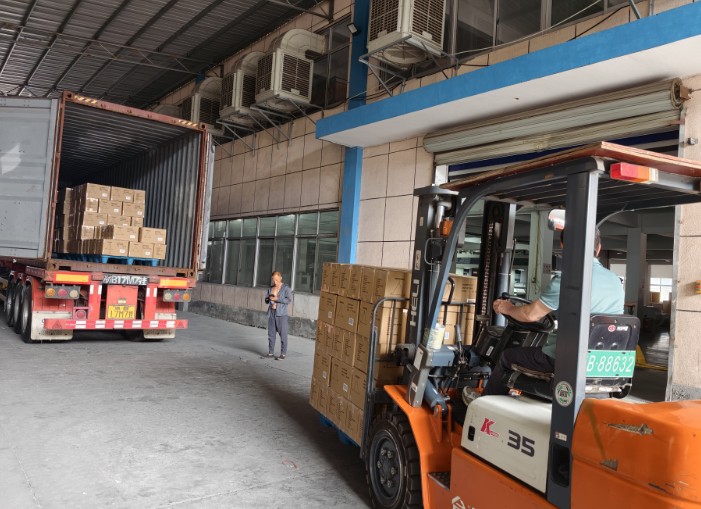
Paper napkins are bulky relative to their weight, meaning container volume (cubic meters) rather than weight (tons) typically limits shipment density. A standard 20-foot FCL holds approximately 18 to 22 pallets depending on pallet height and configuration. Optimizing carton dimensions and pallet stacking patterns to maximize container fill rate directly reduces per-unit logistics cost. Buyers who order at full-container-load (FCL) quantities typically achieve 15% to 25% lower per-unit freight costs compared to less-than-container-load (LCL) shipments, making volume consolidation a meaningful cost lever.
The bubble chart positions six napkin product categories on a two-axis grid of cost index against sustainability score, with bubble size indicating relative market share. Eco and recycled napkins occupy the upper-left quadrant, delivering high sustainability at moderate cost, making them the optimal choice for buyers whose procurement frameworks prioritize environmental performance without incurring the highest cost tier. Standard 1-ply dispenser napkins sit in the lower-left zone, offering economy and reasonable availability but limited sustainability credentials. 4-ply premium napkins are positioned in the upper-right, reflecting their premium material and manufacturing cost while delivering good but not outstanding sustainability, since their virgin fiber content partially offsets the reduced per-napkin consumption volume. Custom printed napkins carry a mid-to-high cost index that reflects design and plate setup premiums. The 2-ply standard napkin holds the largest bubble, confirming its dominant market share as the balanced middle-ground solution that most foodservice operators and institutional buyers default to for everyday operations.
About Ningbo Kosda New Material Technology Co., Ltd.
Ningbo Kosda New Material Technology Co., Ltd. was established in 2015 and is located in the Ningbo Binhai Economic Development Zone, China, which is the world's largest deep-water port in terms of throughput and a civilized city in China. It is a large modern production enterprise that integrates the design, research and development, production, and sales of paper products. The company adheres to the principle of quality development, advocates green and environmentally friendly products, and promotes the industrialization of high-tech. Starting from meeting customer needs, we provide high-quality and efficient services.
Ningbo Kosda's paper napkin product portfolio spans from lightweight 1-ply options to ultra-absorbent 4-ply constructions, available in sizes including 250x250mm, 330x330mm, 330x400mm, and 400x400mm. Full customization services cover printed patterns, monogrammed designs, custom logos, color schemes, and packaging configurations. Whether for beverage service, wedding receptions, anniversary celebrations, party decorations, or daily restaurant operations, Ningbo Kosda delivers functional performance with aesthetic appeal through factory-direct supply. The company's location in Ningbo, adjacent to the world's highest-throughput deep-water port, provides logistics advantages for international buyers requiring reliable delivery to North America, Europe, Southeast Asia, and beyond.
Frequently Asked Questions
Q1: What is the difference between cocktail napkins, luncheon napkins, and dinner napkins?
A1: These three names refer to paper napkins of progressively larger sizes designed for different meal types and service contexts. Cocktail napkins are the smallest, typically 250x250mm when unfolded, and are designed for beverage service where minimal wiping is required. They are placed under drink glasses at bars and cocktail receptions to protect surfaces and provide guests with a convenient hand-wipe option. Luncheon napkins at 330x330mm are sized for casual meal service where moderate absorbency and coverage are appropriate. Dinner napkins are the largest standard format at 400x400mm, providing generous lap coverage and absorbency for full-course meals where guests handle multiple dishes and courses. The ply count generally increases with size to match the greater performance expectations of the dining context. Selecting the correctly sized napkin for your service type avoids the perception mismatch of either using an undersized napkin for a formal dinner or an oversized dinner napkin for a casual drink reception.
Q2: What certifications should I look for when sourcing biodegradable paper napkins?
A2: For paper napkins marketed as biodegradable or eco-friendly, the most credible certifications to look for are FSC (Forest Stewardship Council) or PEFC certification for responsible fiber sourcing, and EN 13432 or ASTM D6400 certification if the napkins are intended to be compostable. The EU Ecolabel (the Flower logo) is a comprehensive multi-criteria certification covering fiber sourcing, chemical limits, energy use, and packaging, making it one of the most robust eco credentials for tissue products in European markets. The Nordic Swan applies the equivalent standard in Nordic countries. Be cautious of uncertified claims such as "biodegradable" or "eco-friendly" printed on packaging without a recognized third-party certification mark, as these terms have no regulated definition and cannot be independently verified. Your manufacturer should be able to provide copies of applicable certificates from the issuing certification body, which you can independently verify through the body's online registry.
Q3: Can paper napkins be custom printed with my restaurant logo or event design?
A3: Yes, custom printing on paper napkins is a standard service offered by paper napkin manufacturers and is widely used by restaurants, hotels, event planners, and consumer brands. The process involves printing your artwork onto the napkin substrate using food-safe inks before the napkins are folded, sleeved, and packaged. For the best results, provide vector artwork files (AI, EPS, or PDF format) or high-resolution raster files at 300 dpi or above. Manufacturers provide fan-fold print templates to help you position your design correctly accounting for the fold pattern. Minimum order quantities for flexographic printing typically start at 10,000 to 50,000 pieces, while digital printing can accommodate smaller runs starting at 500 to 2,000 pieces. Request a physical print proof on the actual substrate before approving full production, as screen-viewed digital proofs do not accurately represent how colors will appear on absorbent tissue paper, which tends to reduce color saturation compared to coated stocks.
Q4: How do I determine which ply count is right for my foodservice application?
A4: The right ply count depends on the nature of your service, the guest experience expectations of your establishment, and your cost management objectives. For high-volume, quick-service environments such as fast food outlets, canteens, and self-service stations, 1-ply or light 2-ply napkins are fully adequate and minimize per-unit cost. For casual dining restaurants and cafes, 2-ply napkins represent the standard market expectation and deliver acceptable absorbency and softness for most meal types. For full-service restaurants, hotel dining, and catering events where guests consume multi-course meals, 3-ply napkins provide a meaningful quality improvement that guests notice and appreciate. For fine dining, weddings, galas, and premium hospitality settings where the napkin is part of a curated table presentation, 4-ply napkins deliver the highest tactile quality and absorbency. If you are uncertain, request samples across ply options from your manufacturer and conduct practical testing with your actual food and beverage menu to evaluate real-world performance.
Q5: What information should I provide to a paper napkin manufacturer to get an accurate quotation?
A5: To receive a precise and comparable quotation from a paper napkin manufacturer, provide the following specifications: napkin size (unfolded dimensions in mm); ply count and target basis weight per ply if known; fold style required (quarter fold, 8-fold, interfold, etc.); print requirement (plain/unprinted, single color, multi-color, full CMYK, or Pantone matching); fiber type preference (virgin white, recycled, or natural kraft); any certification requirements (FSC, EN 13432, EU Ecolabel, FDA food contact); annual volume estimate or per-order quantity; destination port for freight estimation; and required lead time. If you have samples of currently used napkins from another supplier, sharing these for reference is also helpful. The more complete your inquiry, the faster and more accurate the response will be, and the less renegotiation will be required once production begins.
Q6: Are paper napkins safe for food contact, and how is food safety compliance verified?
A6: Properly manufactured paper napkins made with food-safe materials and inks are safe for food contact. However, it is important to verify that your supplier has documented compliance with the applicable food contact regulations in your target market. In the European Union, food contact materials including tissue paper napkins are governed by Regulation (EC) No 1935/2004, which requires that materials do not transfer substances to food in quantities that could endanger human health or cause unacceptable changes in food composition. In the United States, FDA 21 CFR regulations apply to food contact tissue products. Compliant manufacturers can provide a Declaration of Compliance (DoC) confirming that their products meet the relevant requirements. For printed napkins, ask specifically for ink migration test reports, confirming that the inks used do not transfer restricted substances to food above regulated threshold levels. Third-party test reports from laboratories such as SGS, Bureau Veritas, or Intertek provide independent verification and are recommended for any sourcing relationship involving food contact napkins.
Your email address will not be published. Required fields are marked *
-
Modern Green And Environmentally Friendly Paper Product Manufacturer
-
Quick Links
Home About Us Products News Contact Us -
Product Categories
Paper Plates Paper Cup Paper Napkin Paper Food Container Wrapping Paper Roll Disposable Paper Tablecloth -
Contact Us
 Tel: +86-13967818265
 E-mail: [email protected]
E-mail: [email protected] Add: 1036 Cidong Avenue, Binhai Economic Development Zone, Ningbo City, Zhejiang Province, China
