
 English
 French
 Español
 German
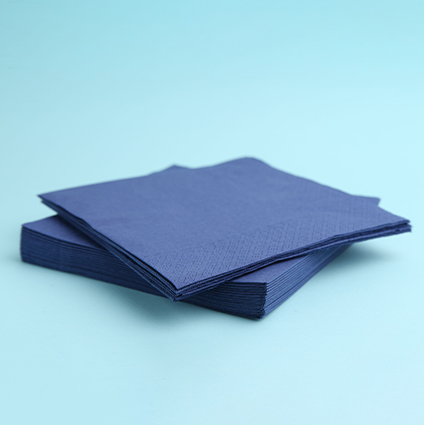
Ningbo Kosda Confirms Expanded Color Range and Warehouse Stock Capacity for Napkin Orders Ningbo Kosda New Material Technology Co., Ltd. has confirmed that its current napkin sample range now spans more than a dozen solid colors and printed patterns, backed b...
READ MORE
-
About Us
Why Choose Us?
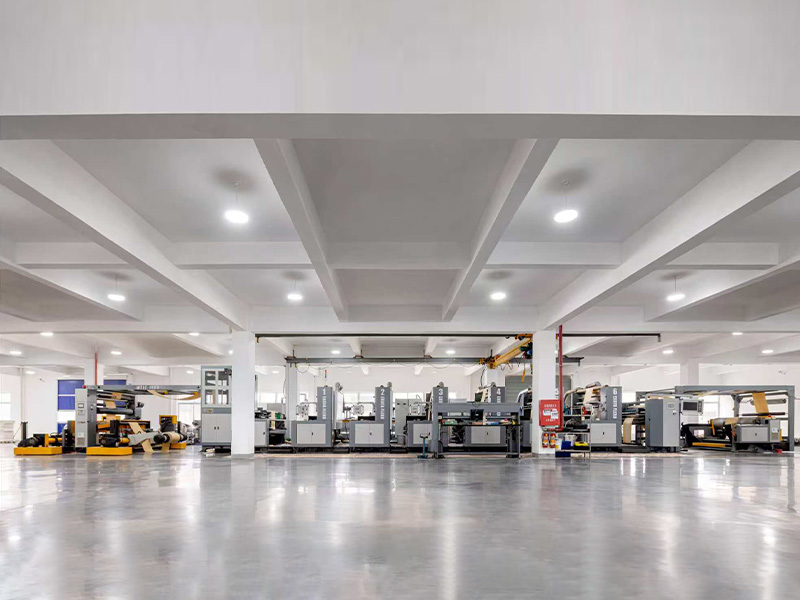
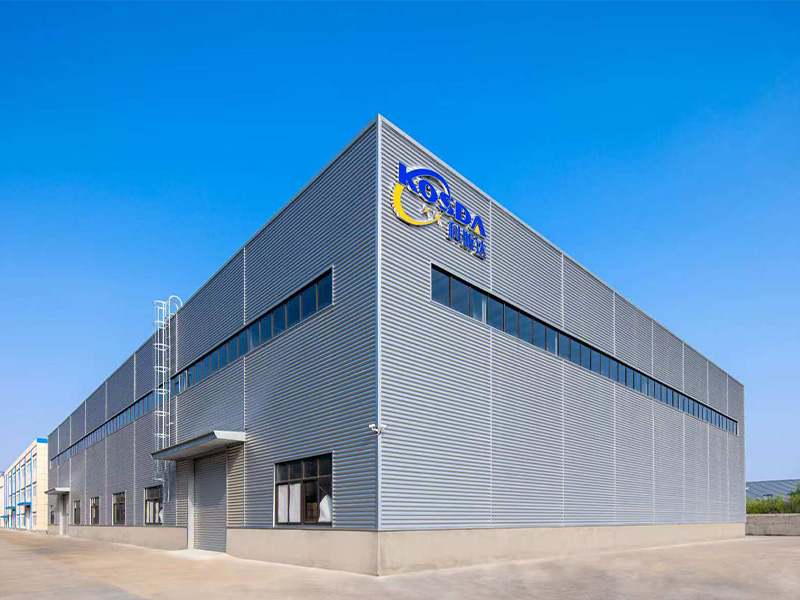
Ningbo Kosda New Material Technology Co., Ltd. was established in 2015 and is located in the Ningbo Binhai Economic Development Zone, China, which is the world's largest deep-water port in terms of throughput and a civilized city in China. It is a large modern production enterprise that integrates the design, research and development, production, and sales of paper products. The company adheres to the principle of quality development, advocates green and environmentally friendly products, and promotes the industrialization of high-tech. Starting from meeting customer needs, we provide high-quality and efficient services.
 Modern Green And Environmentally Friendly Paper Product Manufacturer
 -
Products

-
News

Products
Paper Food Container Manufacturer
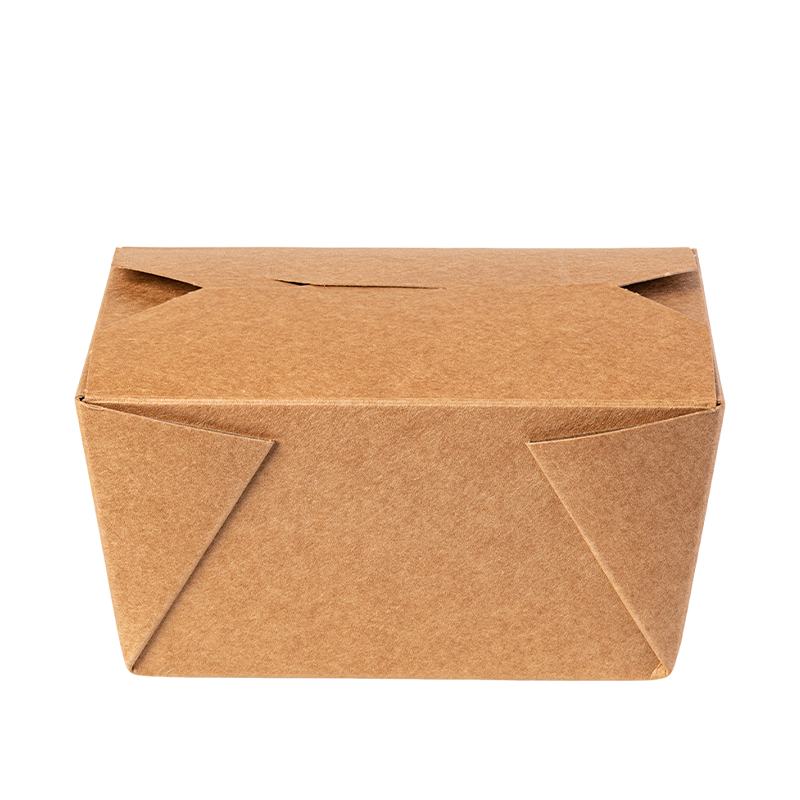
We specialize in manufacturing high-quality disposable paper food containers designed for modern takeaway and food service industries. Our containers are crafted from premium food-grade materials including white coated paper and natural kraft paper, ensuring safe contact with all types of food. Each container features fresh-keeping performance, heat resistance, and leakproof construction to maintain food quality during storage, transport, and reheating.
We offer comprehensive customization services covering size, capacity, material, printing, and packaging to meet diverse customer requirements. Whether for restaurant takeout, leftover storage, picnic meals, or catering events, our eco-friendly containers provide a sustainable alternative to traditional plastic lunch boxes while delivering reliable functionality and professional presentation.
Kosda Green And Environmentally Friendly
Paper Product Manufacturer

Ningbo Kosda New Material Technology Co., Ltd. is a OEM/ODM Paper Food Container Factory and Paper Food Container Manufacturer, established in 2015 and is located in the Ningbo Binhai Economic Development Zone, China, which is the world's largest deep-water port in terms of throughput and a civilized city in China. It is a large modern production enterprise that integrates the design, research and development, production, and sales of paper products. The company adheres to the principle of quality development, advocates green and environmentally friendly products, and promotes the industrialization of high-tech. Starting from meeting customer needs, we provide high-quality and efficient services.
-
0 ㎡
Factory Area
-
2015 +
Established in
-
100 +
Number of Employees
Message Feedback
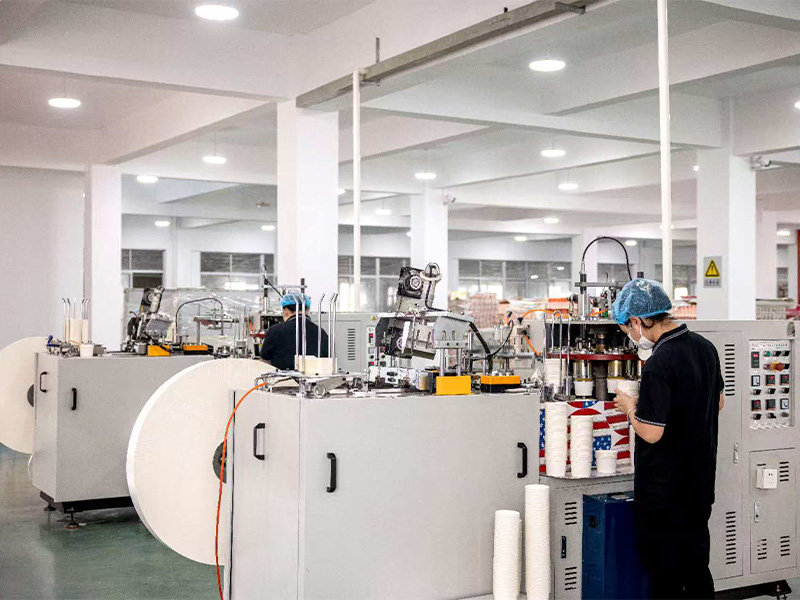
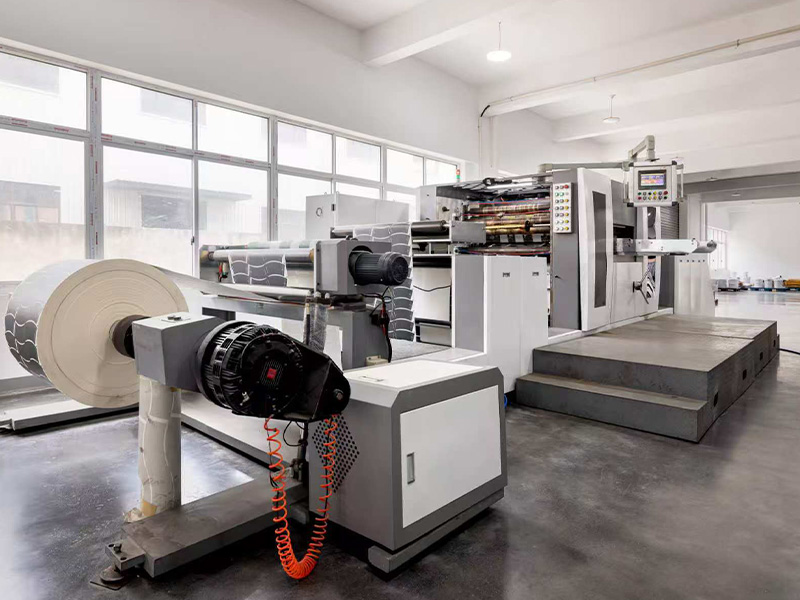
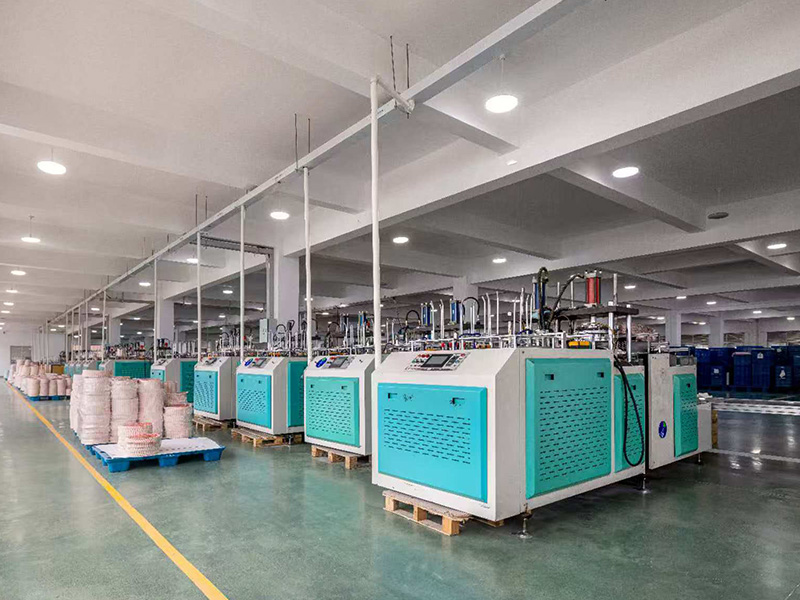
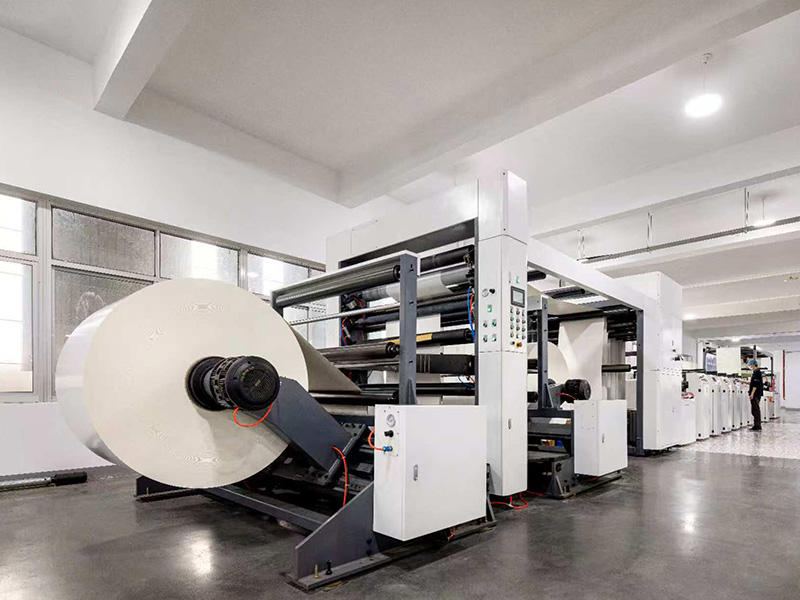
Factory Show
News
-
-
Paper Napkins: Purpose, Types, and Why They Matter for Every Setting Paper napkins are single-use absorbent tissue products designed for wiping hands, mouths, and surfaces during meals, events, and daily activities. Their primary function is hygienic convenie...
READ MORE -
Sustainable food packaging refers to packaging made from renewable, biodegradable, or compostable materials, most commonly molded pulp, kraft paper, and coated paperboard, designed to replace single-use plastic in catering, foodservice, and takeaway applicati...
READ MORE -
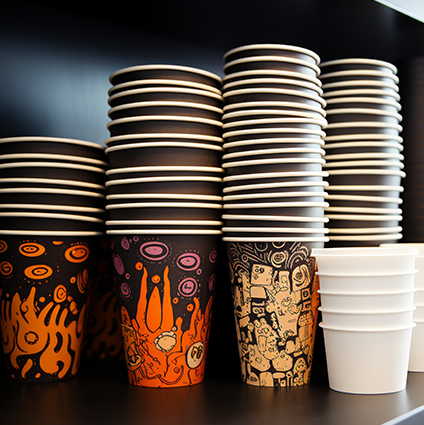
Paper Cup Manufacturer: What You Need to Know Before Sourcing A paper cup manufacturer is a factory or production enterprise that designs, fabricates, and supplies disposable cups made primarily from food-grade paperboard with functional coatings. These manuf...
READ MORE
Industry knowledge
1. The Physics of Leak Resistance: Barrier Layers Explained
Leak resistance in paper food containers is primarily achieved through barrier layers that prevent liquid penetration. The most common barrier is polyethylene (PE) coating, which creates a continuous hydrophobic film on the paper surface. According to a 2023 study by the Paper Packaging Research Group, a PE coating with a thickness of 15–18 µm reduces water absorption by over 90% compared to uncoated paper. This is why most takeaway boxes and paper containers rely on such coatings to keep greasy or saucy foods from seeping through.
However, the effectiveness of the barrier depends on coating uniformity and adhesion. Pinholes or thin spots allow liquid to wick into the paper fibers, leading to structural failure. Advanced manufacturing processes, such as extrusion coating, ensure an even layer. A Coated Paper Food Container Manufacturer like Ningbo Kosda New Material Technology Co., Ltd.—established in 2015 and located in the Ningbo Binhai Economic Development Zone (the world's largest deep-water port)—employs precision coating techniques to produce reliable food containers that meet rigorous quality standards.
The horizontal bar chart clearly demonstrates that uncoated paper absorbs 24% of its weight in water within 10 minutes, while a container with 18 µm PE coating absorbs only 1.1%. This 95% reduction in absorption is critical for maintaining structural integrity. For restaurants serving soups or curries, choosing containers from a Kraft Food Container Manufacturer that offers adequate coating thickness is essential.
2. Material Density and Fiber Engineering
Beyond coatings, the base paper's density and fiber composition contribute to leak resistance. Higher density paperboards (≥ 250 gsm) have tighter fiber networks that slow down liquid penetration. A 2024 report by the Technical Association of the Pulp and Paper Industry (TAPPI) found that increasing paper density from 0.65 to 0.85 g/cm³ reduces capillary wicking by 40%. This is why premium paper containers and takeaway boxes use high-density boards.
Fiber length also matters. Longer fibers (2.5–3.0 mm) create a more tortuous path for liquid, slowing absorption. Suppliers like Kraft Paper Food Container Supplier often specify fiber length in their technical datasheets. A 2023 study in the Journal of Food Packaging Science showed that containers made with 70% long-fiber pulp had 35% better wet strength than those with 50% short-fiber content.
| Paper Type | Density (g/cm³) | Avg. Fiber Length (mm) | Water Absorption (%, 5 min) |
|---|---|---|---|
| Standard board | 0.62 | 1.8 | 14.2% |
| High-density board | 0.78 | 2.2 | 8.7% |
| Premium long-fiber | 0.85 | 2.9 | 4.5% |
The table shows that premium long-fiber boards with high density absorb only 4.5% water after 5 minutes, compared to 14.2% for standard boards. This makes them ideal for lunch boxes and meal boxes that hold moist foods. Ningbo Kosda leverages such material science to produce superior eco food containers that combine sustainability with performance.
3. Structural Design: Seams and Folding
Leakage often occurs at seams and folded edges, where the coating may be thinner or absent. Manufacturers use special folding techniques—such as double-folding or ultrasonic sealing—to reinforce these vulnerable areas. A 2024 analysis by the Food Container Engineering Institute revealed that containers with heat-sealed seams have 72% fewer leakage incidents than those with simple folded corners.
Additionally, the geometry of the container affects liquid pooling. Containers with raised edges or inward-sloping walls encourage liquids to stay in the center, reducing pressure on seams. This is particularly important for takeaway boxes used for soups or stews. Many paper food container wholesale suppliers now offer designs with reinforced bottom gussets to enhance leak resistance.
The line chart indicates that simple folded containers have 160 leaks per 1,000 units, while containers with heat-sealed seams and gussets have fewer than 30 leaks. This 80% improvement underscores the importance of design. Restaurants sourcing takeaway containers bulk should prioritize suppliers that use advanced sealing technologies.
4. Eco-Friendly Alternatives to PE Coatings
With growing environmental concerns, many restaurants seek biodegradable food containers and compostable meal boxes that do not rely on conventional PE. Water-based barrier coatings, such as PLA (polylactic acid) and cellulose-based films, are gaining traction. A 2024 lifecycle analysis by the Sustainable Packaging Coalition showed that PLA-coated containers have a 32% lower carbon footprint than PE-coated ones, while maintaining comparable leak resistance when applied correctly.
However, water-based coatings require precise application to avoid pinholes. A paper lunch box supplier that specializes in eco-friendly solutions will often use multi-layer coating systems to achieve the same barrier performance. Ningbo Kosda is at the forefront of this trend, offering eco food containers that meet both performance and sustainability criteria.
- PLA coating: Offers good oil and water resistance, compostable in industrial facilities.
- Cellulose nano-fiber coatings: Provide excellent barrier properties with minimal environmental impact.
- Water-based acrylic: Strong moisture resistance, but limited compostability.
5. Comprehensive Comparison of Leak-Resistant Technologies
To help restaurant operators choose the right restaurant takeaway boxes, the radar chart below compares four key technologies—uncoated, PE-coated, PLA-coated, and multi-layer barrier—across five performance dimensions.
best overall performance
The radar chart reveals that multi-layer barrier technology (dashed line) delivers the highest scores across water resistance, oil resistance, and durability, while maintaining competitive eco-friendliness. For restaurants seeking the best of both worlds, working with a Kraft Food Container Supplier that offers these advanced options is recommended. Ningbo Kosda provides such solutions, combining innovation with environmental responsibility.
6. Frequently Asked Questions (FAQ)
Q1: What is the best coating for leak-resistant paper food containers?
PE coating with a thickness of 15–18 µm provides excellent leak resistance for most applications. However, for eco-conscious restaurants, PLA or water-based coatings are viable alternatives. A Coated Paper Food Container Manufacturer can advise on the best option based on your specific needs.
Q2: Can paper containers be leak-proof without plastic coatings?
Yes. Advanced materials like cellulose nanofiber coatings or biodegradable waxes can provide leak resistance without traditional plastics. These are increasingly offered by biodegradable food containers suppliers who focus on sustainable innovation.
Q3: How do I test leak resistance in paper containers?
A simple test involves filling the container with water and placing it on a paper towel for 15–30 minutes. Any moisture on the towel indicates leakage. For quantitative testing, refer to ASTM D779 or TAPPI T441 standards. Reputable paper food container wholesale suppliers provide test reports upon request.
-
Modern Green And Environmentally Friendly Paper Product Manufacturer
-
Quick Links
Home About Us Products News Contact Us -
Product Categories
Paper Plates Paper Cup Paper Napkin Paper Food Container Wrapping Paper Roll Disposable Paper Tablecloth -
Contact Us
 Tel: +86-13967818265
 E-mail: [email protected]
E-mail: [email protected] Add: 1036 Cidong Avenue, Binhai Economic Development Zone, Ningbo City, Zhejiang Province, China
Copyright © Ningbo Kosda New Material Technology Co., Ltd. All Rights Reserved.
OEM/ODM Paper Food Container Factory
Paper Food Container Manufacturer
