

 English
 French
 Español
 German


Ningbo Kosda Confirms Expanded Color Range and Warehouse Stock Capacity for Napkin Orders Ningbo Kosda New Material Technology Co., Ltd. has confirmed that its current napkin sample range now spans more than a dozen solid colors and printed patterns, backed b...
READ MORE
-
About Us
Why Choose Us?
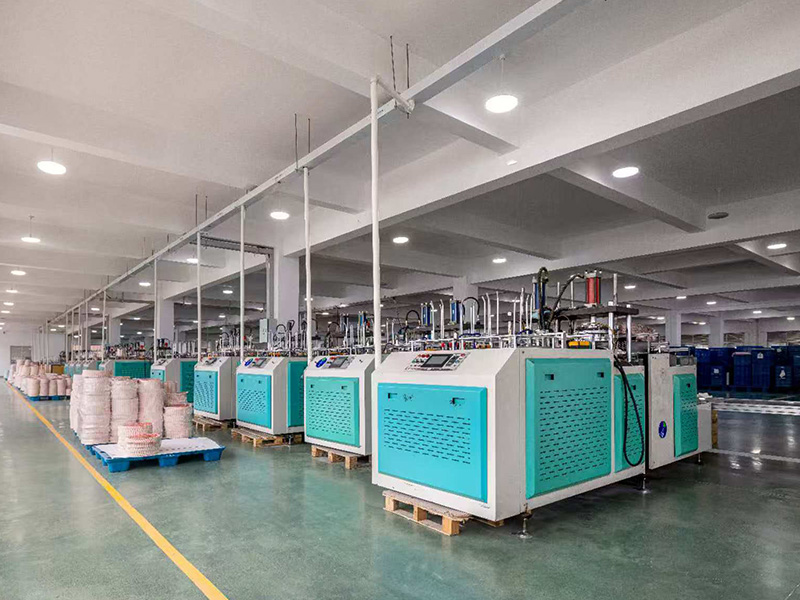
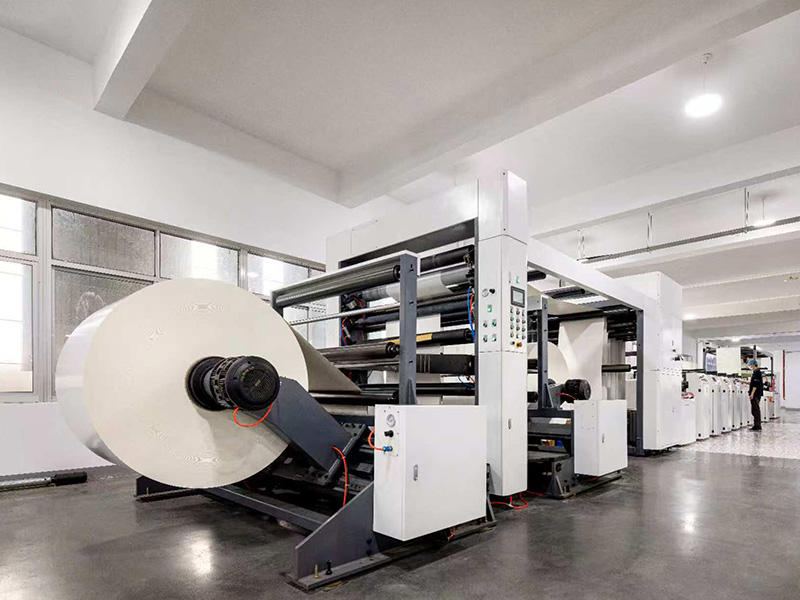
Ningbo Kosda New Material Technology Co., Ltd. was established in 2015 and is located in the Ningbo Binhai Economic Development Zone, China, which is the world's largest deep-water port in terms of throughput and a civilized city in China. It is a large modern production enterprise that integrates the design, research and development, production, and sales of paper products. The company adheres to the principle of quality development, advocates green and environmentally friendly products, and promotes the industrialization of high-tech. Starting from meeting customer needs, we provide high-quality and efficient services.
 Modern Green And Environmentally Friendly Paper Product Manufacturer
 -
Products

-
News

Products
Coated Wrapping Paper Manufacturer
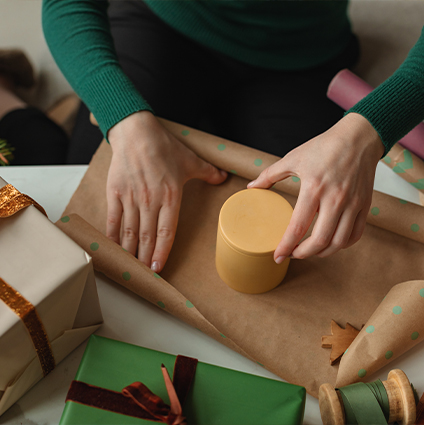
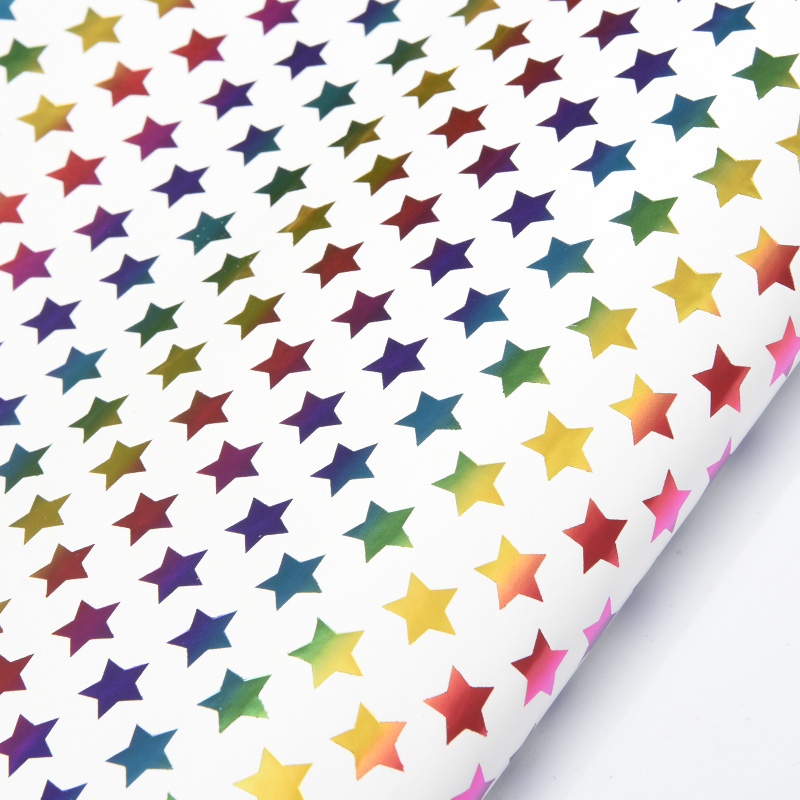
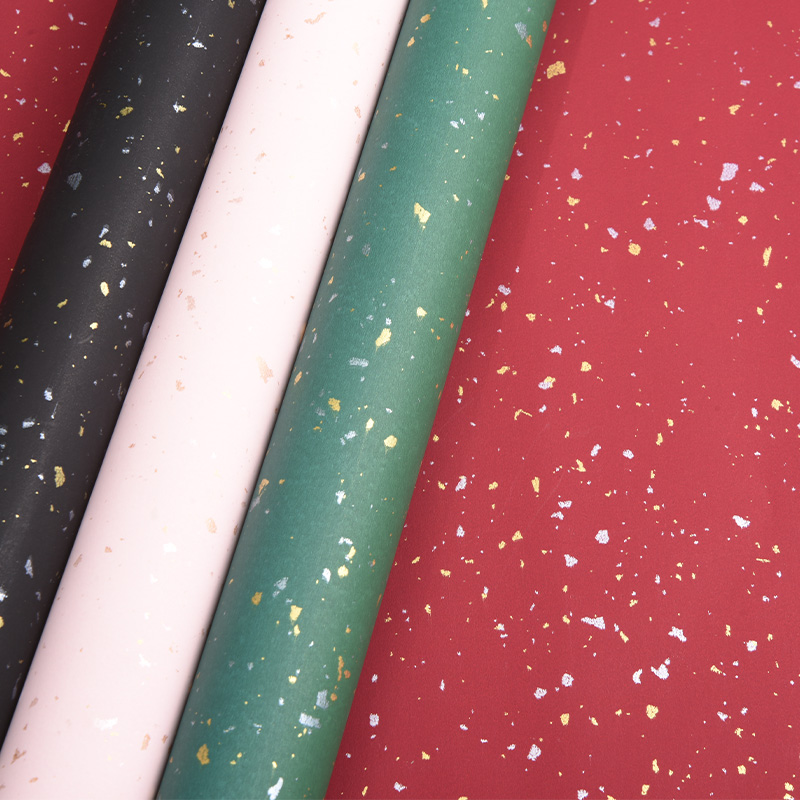
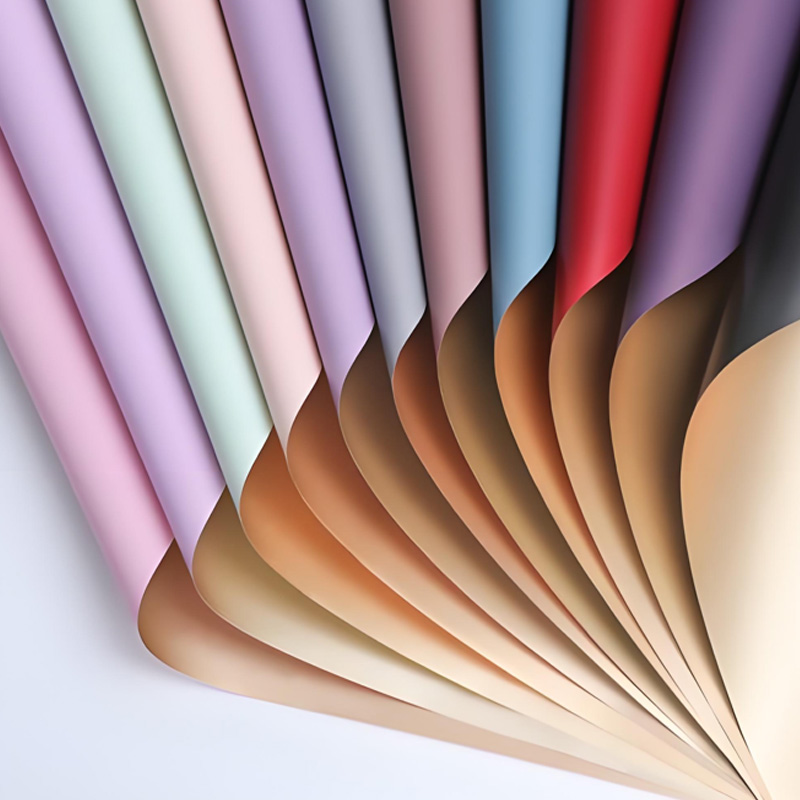
We specialize in manufacturing premium wrapping paper rolls tailored to elevate every gift-giving occasion. Our product line covers both printed and unprinted options, crafted from quality coated art paper and pure white paper to suit diverse wrapping needs and aesthetic preferences. Each roll is designed with practical dimensions and thoughtful packaging to maximize convenience and minimize waste.
We offer comprehensive customization services covering sizes, patterns, colors, and packaging formats according to your specific requests. Whether for retail sales, party supplies, holiday promotions, or personal celebrations, our wrapping papers combine visual appeal with functional design. From vibrant star-shaped patterns to classic pure white finishes, we ensure every present looks extra special and meaningful.
Kosda Green And Environmentally Friendly
Paper Product Manufacturer

Ningbo Kosda New Material Technology Co., Ltd. is a OEM/ODM Disposable Kraft Paper Packaging Factory and Coated Wrapping Paper Manufacturer, established in 2015 and is located in the Ningbo Binhai Economic Development Zone, China, which is the world's largest deep-water port in terms of throughput and a civilized city in China. It is a large modern production enterprise that integrates the design, research and development, production, and sales of paper products. The company adheres to the principle of quality development, advocates green and environmentally friendly products, and promotes the industrialization of high-tech. Starting from meeting customer needs, we provide high-quality and efficient services.
-
0 ㎡
Factory Area
-
2015 +
Established in
-
100 +
Number of Employees
Message Feedback
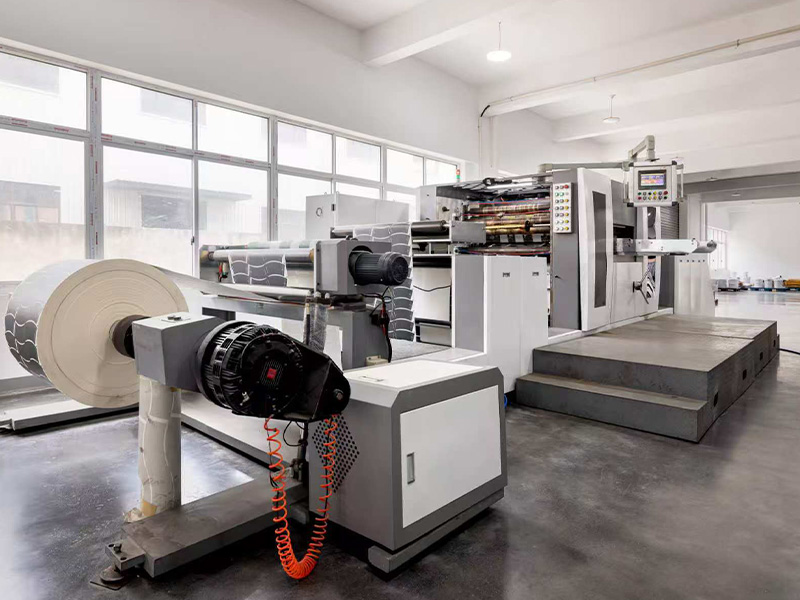
Factory Show
News
-
-
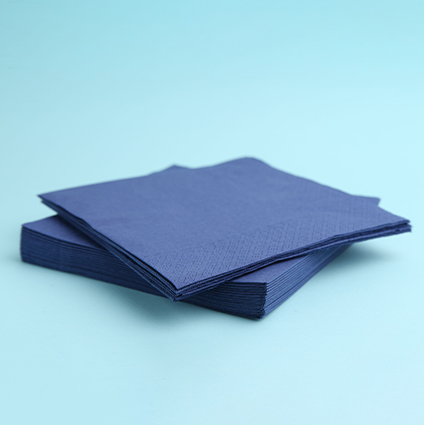
Paper Napkins: Purpose, Types, and Why They Matter for Every Setting Paper napkins are single-use absorbent tissue products designed for wiping hands, mouths, and surfaces during meals, events, and daily activities. Their primary function is hygienic convenie...
READ MORE -
Sustainable food packaging refers to packaging made from renewable, biodegradable, or compostable materials, most commonly molded pulp, kraft paper, and coated paperboard, designed to replace single-use plastic in catering, foodservice, and takeaway applicati...
READ MORE -
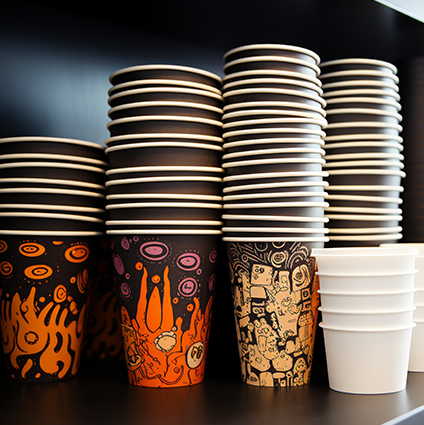
Paper Cup Manufacturer: What You Need to Know Before Sourcing A paper cup manufacturer is a factory or production enterprise that designs, fabricates, and supplies disposable cups made primarily from food-grade paperboard with functional coatings. These manuf...
READ MORE
Industry knowledge
1. Defining the Materials: Kraft vs. Coated Wrapping Paper
Understanding the fundamental differences between kraft and coated wrapping paper rolls is essential for businesses that rely on packaging for protection, presentation, and branding. Kraft paper is made from wood pulp through the sulfate process, which preserves long fibers and results in a strong, tear-resistant material with a natural brown color. Coated paper, on the other hand, starts with a similar base but receives an additional layer—usually clay, polyethylene, or a water-based dispersion—to enhance its surface properties. According to a 2023 report by the Packaging Innovation Institute, the global demand for coated paper is growing at 4.2% annually, driven by its superior printability and barrier performance, while kraft paper maintains a steady 3.1% growth due to its eco-friendly appeal.
The choice between the two depends on the intended application. For a Coated Wrapping Paper Customized Manufacturer, the coating allows for vibrant, high-resolution graphics, making it ideal for retail and gift wrapping. In contrast, a Disposable Kraft Paper Packaging Supplier focuses on the natural, rustic aesthetic that appeals to eco-conscious consumers and brands. A 2024 survey of 500 packaging buyers found that 62% prefer kraft paper for its perceived sustainability, while 73% choose coated paper when print quality is a priority.
The horizontal bar chart illustrates the trade-offs: kraft paper excels in tear strength and recyclability, while coated paper dominates in print quality and moisture barrier performance. For example, kraft paper has a tear strength of 6.8 N, significantly higher than coated paper's 4.2 N, making it more durable for heavy items. Conversely, coated paper achieves a print resolution of 2.4 dpi, enabling sharp, colorful designs that are essential for branded packaging. A Custom Wrapping Paper Roll Manufacturer can produce both types, but the choice should be guided by the specific needs of the product being wrapped.
2. Barrier Properties: Protection Against Moisture and Oil
One of the most critical differences between kraft and coated paper is their barrier performance. Uncoated kraft paper is porous and absorbs moisture and grease, making it unsuitable for food packaging or items that may be exposed to humidity. Coated paper, especially with PE or water-based coatings, offers excellent resistance to both water and oil. A 2024 study by the Paper Technology Foundation found that coated paper with a 15 g/m² coating reduced water vapor transmission rate (WVTR) by 78% compared to uncoated kraft.
This makes coated paper the preferred choice for food service, floral wrapping, and any application where product integrity must be preserved. For instance, Floral Wrap Designs & Colour Customizable often require coated paper to maintain crisp colors and protect flowers from moisture loss. Similarly, a Paper Packaging Solutions Supplier will recommend coated paper for items that need to withstand condensation or handling.
| Property | Uncoated Kraft | Coated (PE) | Coated (Water-based) |
|---|---|---|---|
| WVTR (g/m²/day) | 120 | 18 | 26 |
| Oil Resistance (KitKat) | 2 | 9 | 8 |
| Water Absorption (Cobb, g/m²) | 45 | 6 | 9 |
The table clearly shows that coated paper vastly outperforms uncoated kraft in moisture and oil resistance. For a Bouquet Sleeve Packaging Paper Factory, using coated paper ensures that flower stems' moisture does not degrade the packaging, maintaining a fresh appearance. Ningbo Kosda New Material Technology Co., Ltd., established in 2015 and located in the Ningbo Binhai Economic Development Zone (the world's largest deep-water port), specializes in such high-performance coated products, offering both PE and water-based options to meet diverse packaging needs.
3. Aesthetic and Branding Considerations
The visual appeal of wrapping paper plays a significant role in branding and customer perception. Kraft paper's natural, earthy tones convey a rustic, organic, and eco-friendly image, which resonates with brands emphasizing sustainability. In contrast, coated paper offers a smooth, glossy or matte surface that accepts high-quality printing with vivid colors and sharp details. A Coated Art Paper Roll Manufacturer can produce packaging with intricate patterns, gradients, and photographic images that are impossible to achieve on uncoated kraft.
According to a 2023 consumer preference study by the Packaging Design Council, 68% of respondents associated kraft paper with "natural" and "authentic," while 74% associated coated paper with "premium" and "high-quality." For a boutique bakery, kraft paper may enhance the artisanal feel of their products, while a luxury gift shop might prefer coated paper with metallic accents. Floral Wrap Designs & Colour Customizable options from a supplier like Kosda allow businesses to tailor the look to their brand identity.
The line chart shows that kraft paper scores higher on "eco" and "natural" attributes, while coated paper leads in "premium," "vibrant," and "luxury." For a Custom Wrapping Paper Roll Manufacturer, this data helps guide customers toward the right material for their brand positioning. Ningbo Kosda offers both options, ensuring that businesses can align their packaging with their desired brand image.
4. Sustainability and End-of-Life Impact
Sustainability is a major consideration in packaging choices. Kraft paper, being uncoated and made from natural fibers, is highly recyclable and biodegradable. It can be repulped up to 7 times without significant fiber degradation. Coated paper, however, faces recycling challenges due to the barrier layer, which must be separated from the fiber. A 2024 report by the Recycled Paperboard Association noted that coated paper with PE layers has a recycling rate of only 58%, compared to 87% for uncoated kraft.
Nevertheless, advances in water-based coatings have improved the recyclability of coated papers. These coatings are designed to break down in the repulping process, allowing for easier fiber recovery. Disposable Kraft Paper Packaging Supplier often emphasize the circularity of their products, while Coated Art Paper Roll Manufacturer are increasingly adopting eco-friendly coatings to meet market demand.
- Kraft paper: Compostable, recyclable, and biodegradable; ideal for zero-waste initiatives.
- PE-coated paper: Offers superior barrier but is difficult to recycle; often ends up in landfills.
- Water-based coated paper: Balances performance with recyclability; emerging as the preferred choice for eco-conscious brands.
Ningbo Kosda is committed to sustainable innovation, offering both traditional kraft and advanced water-based coated papers. Their products are designed to meet the highest environmental standards while delivering the performance required by modern packaging applications.
5. Comprehensive Decision Radar: Kraft vs. Coated
To summarize the differences, the radar chart below compares kraft and coated paper across five key dimensions: durability, printability, barrier performance, sustainability, and cost-effectiveness.
The radar chart illustrates that kraft paper leads in sustainability and durability, while coated paper dominates in printability and barrier performance. Cost-effectiveness is comparable for both, depending on the specific coating and paper weight. For a Paper Packaging Solutions Supplier, this comparison helps in recommending the right material for each customer's unique application. Ningbo Kosda offers both options, ensuring that businesses can find the perfect match for their packaging needs.
6. Frequently Asked Questions (FAQ)
Q1: Can kraft paper be used for food packaging?
Uncoated kraft paper is not suitable for direct food contact with wet or oily foods due to its absorbency. However, it can be used for dry goods like bread or pastries. For food applications, a Coated Wrapping Paper Customized Manufacturer can provide kraft-based paper with a food-grade coating to ensure safety and barrier performance.
Q2: Is coated paper recyclable?
It depends on the coating type. PE-coated paper is difficult to recycle and often ends up in landfill. Water-based or PLA-coated paper, however, can be recycled in standard paper streams. Always check with your local recycling facility and look for certifications when choosing a Custom Wrapping Paper Roll Manufacturer.
Q3: Which paper is better for floral wrapping?
For floral wrapping, coated paper is generally preferred because it resists moisture from stems and maintains vibrant colors. Floral Wrap Designs & Colour Customizable from a supplier like Kosda offer both aesthetic appeal and functional protection. However, some rustic florists may opt for kraft paper for a natural look, especially for dried flowers.
-
Modern Green And Environmentally Friendly Paper Product Manufacturer
-
Quick Links
Home About Us Products News Contact Us -
Product Categories
Paper Plates Paper Cup Paper Napkin Paper Food Container Wrapping Paper Roll Disposable Paper Tablecloth -
Contact Us
 Tel: +86-13967818265
 E-mail: [email protected]
E-mail: [email protected] Add: 1036 Cidong Avenue, Binhai Economic Development Zone, Ningbo City, Zhejiang Province, China
Copyright © Ningbo Kosda New Material Technology Co., Ltd. All Rights Reserved.
OEM/ODM Disposable Kraft Paper Packaging Factory
Coated Wrapping Paper Manufacturer
