
 English
 French
 Español
 German
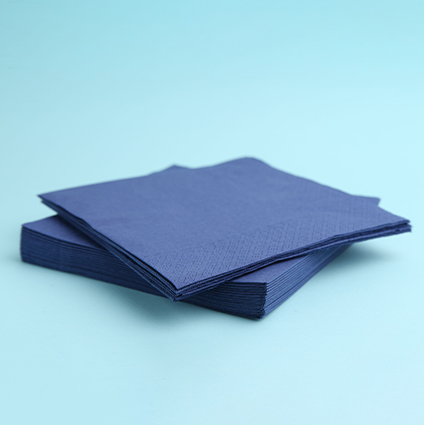
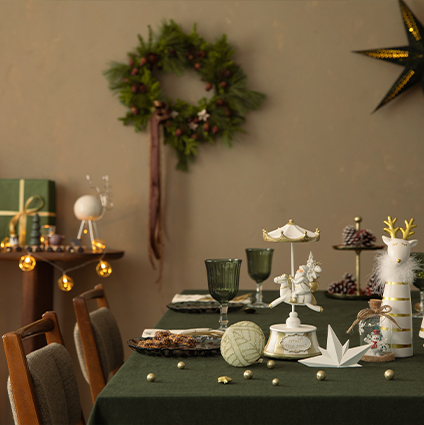
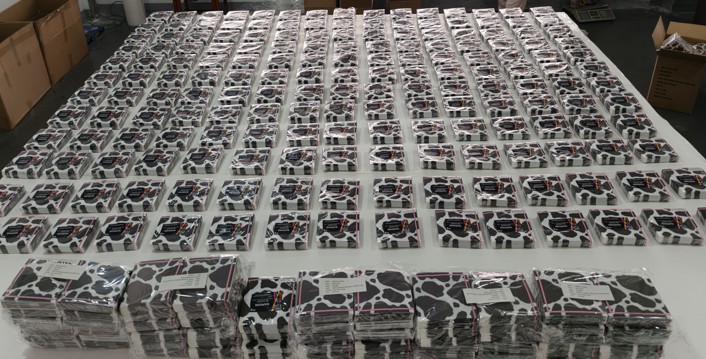
Ningbo Kosda Confirms Expanded Color Range and Warehouse Stock Capacity for Napkin Orders Ningbo Kosda New Material Technology Co., Ltd. has confirmed that its current napkin sample range now spans more than a dozen solid colors and printed patterns, backed b...
READ MORE
-
About Us
Why Choose Us?
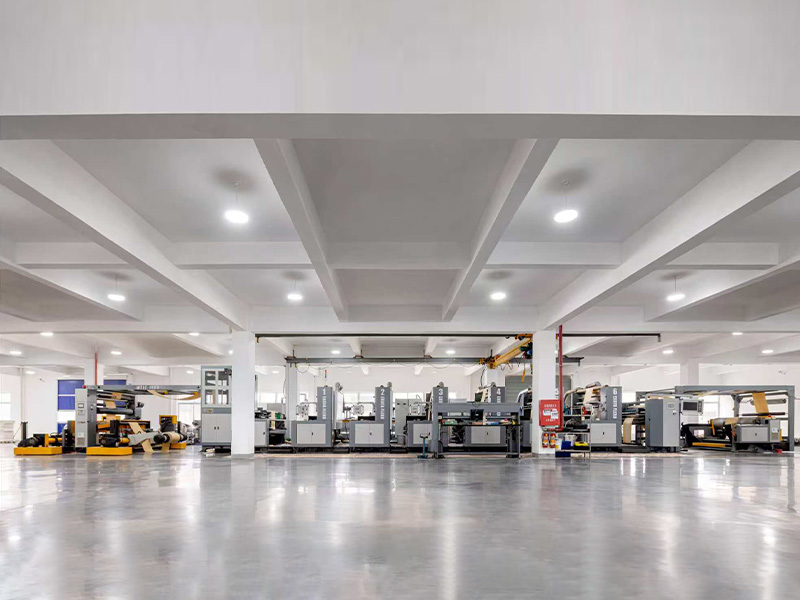
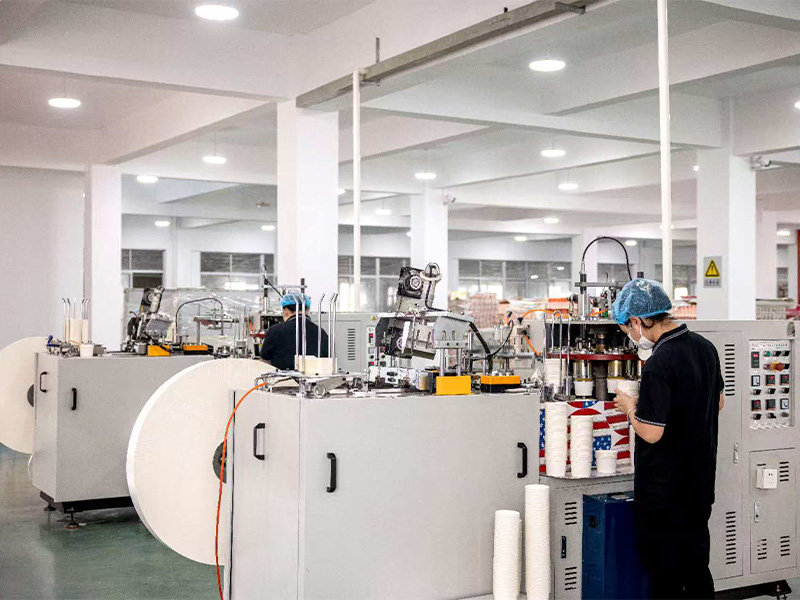
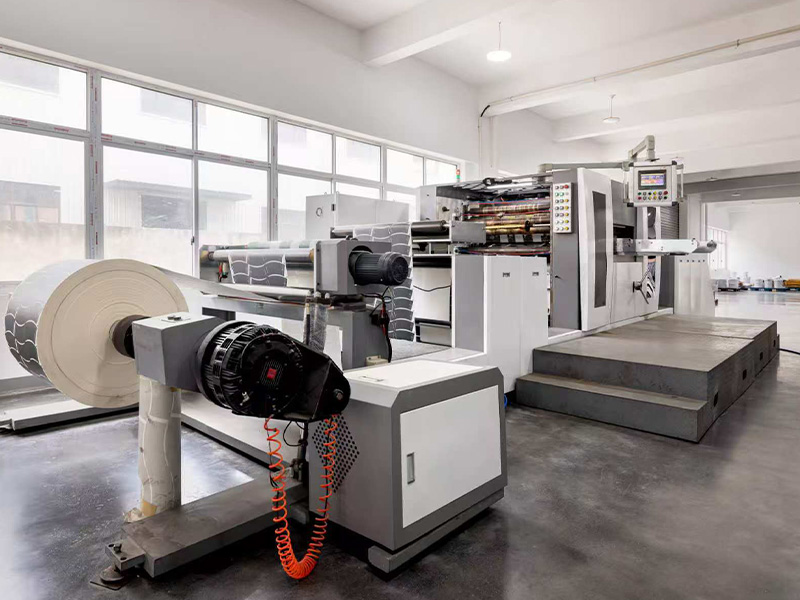
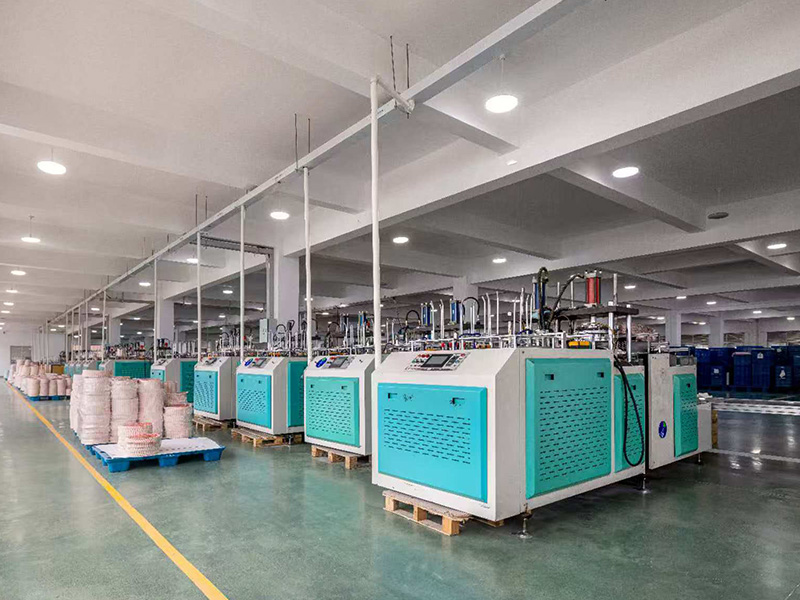
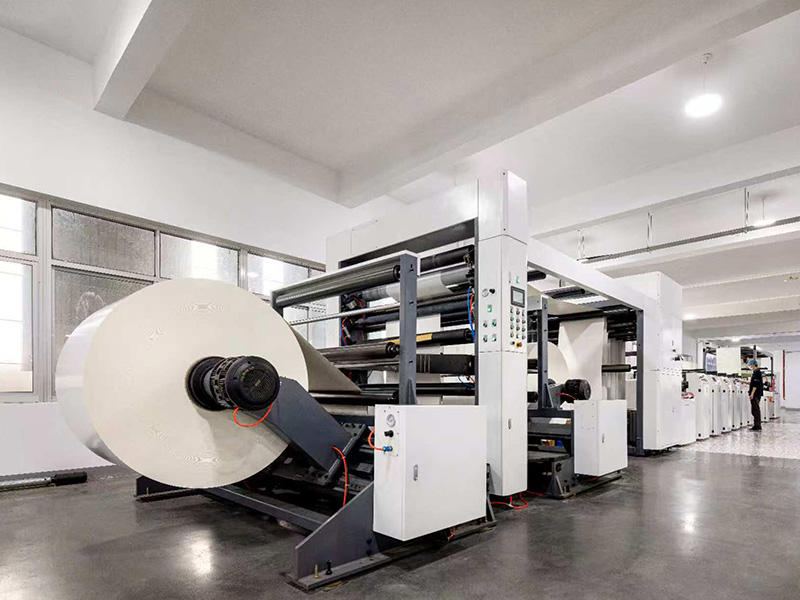
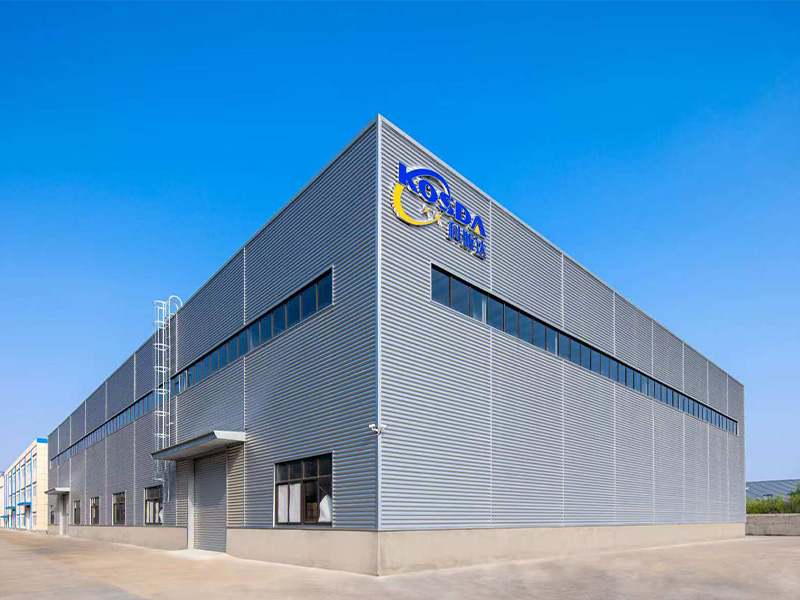
Ningbo Kosda New Material Technology Co., Ltd. was established in 2015 and is located in the Ningbo Binhai Economic Development Zone, China, which is the world's largest deep-water port in terms of throughput and a civilized city in China. It is a large modern production enterprise that integrates the design, research and development, production, and sales of paper products. The company adheres to the principle of quality development, advocates green and environmentally friendly products, and promotes the industrialization of high-tech. Starting from meeting customer needs, we provide high-quality and efficient services.
 Modern Green And Environmentally Friendly Paper Product Manufacturer
 -
Products
-
News

Products
Restaurant Food Container Supplier
-
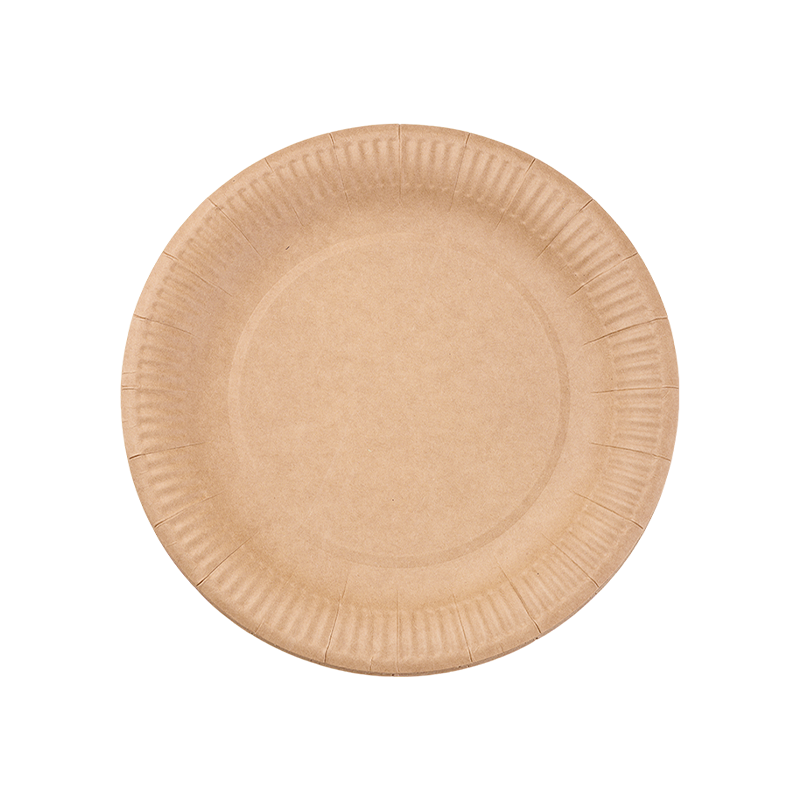 10.5-Inch Kraft Food Tray Plate – Eco-Friendly
 -
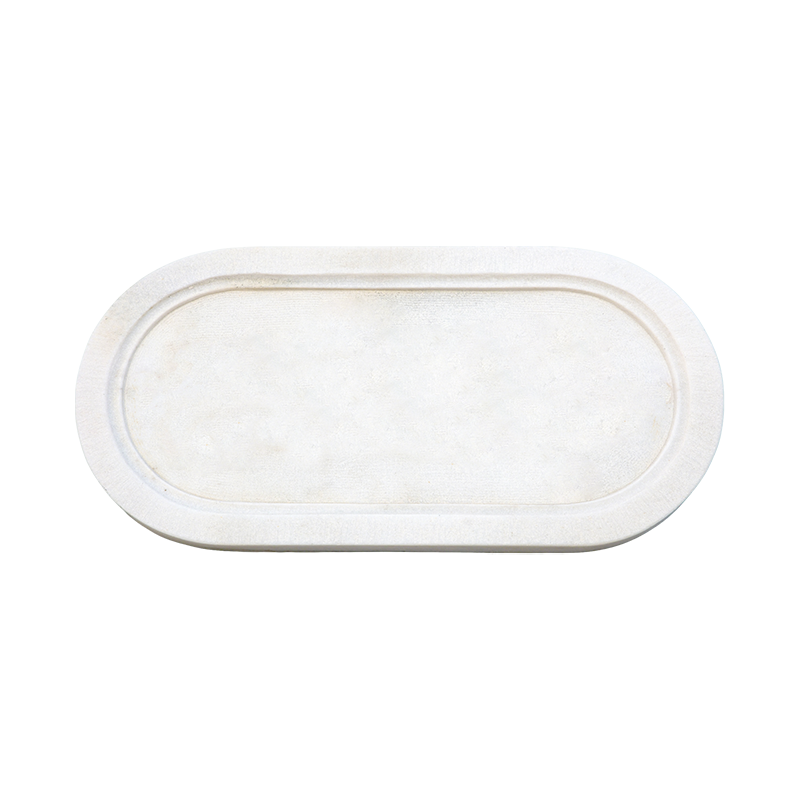 Oval Kraft Plate – Custom Color
 -
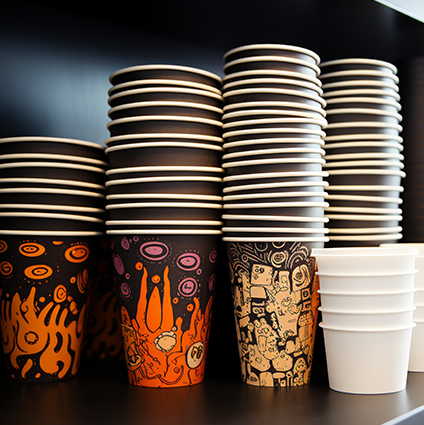
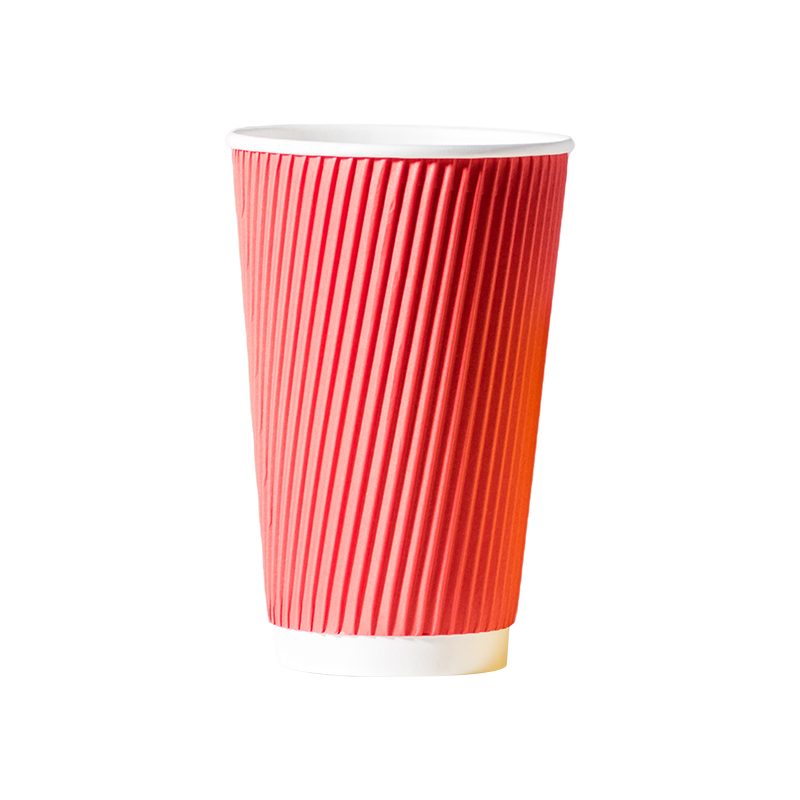 Custom Threaded Pattern Reusable Recyclable Paper Cup
 -
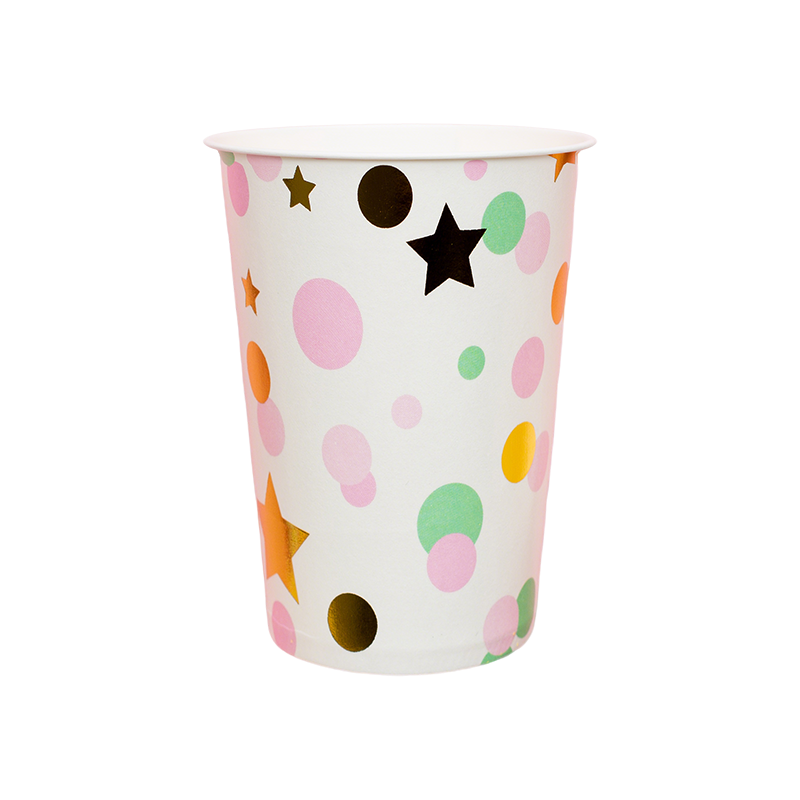 OEM Factory Custom Party Cups
 -
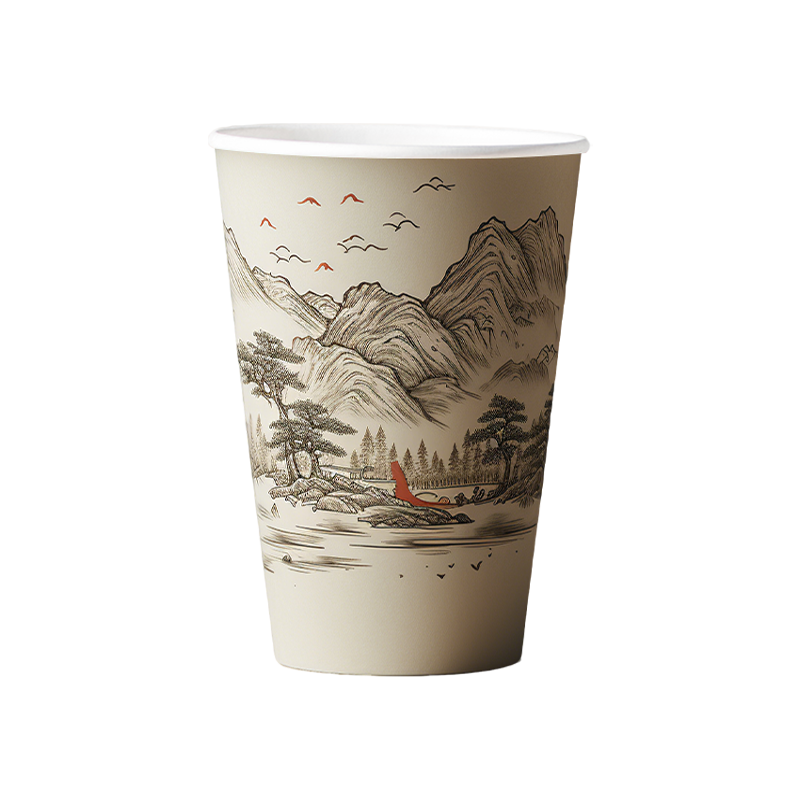 Exquisite Premium Pattern Paper Cup
 -
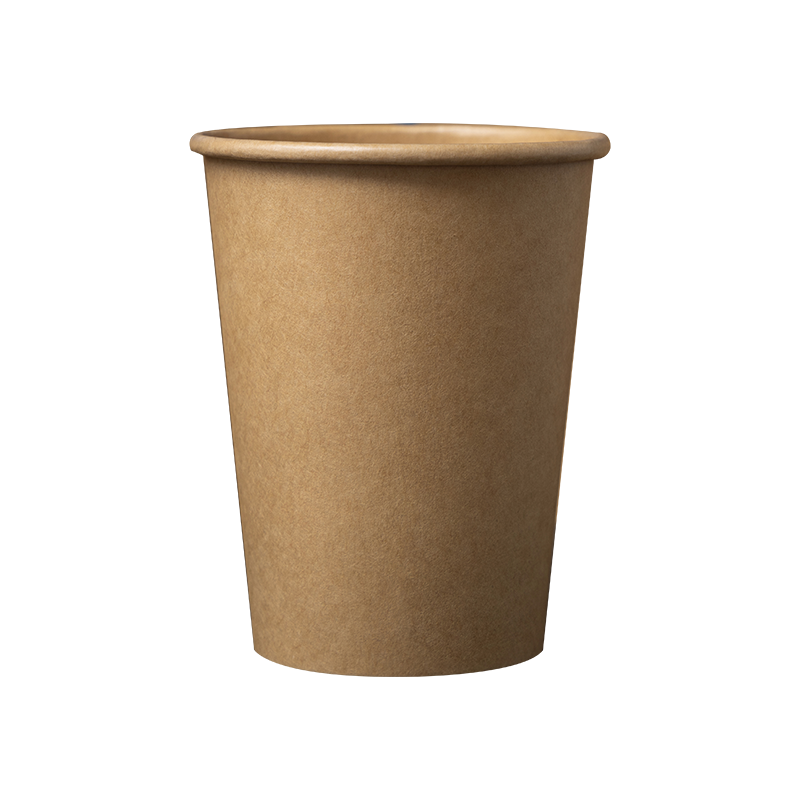 Customize single-layer Kraft Paper Cup
 -
Traditional Christmas Paper Cup
-
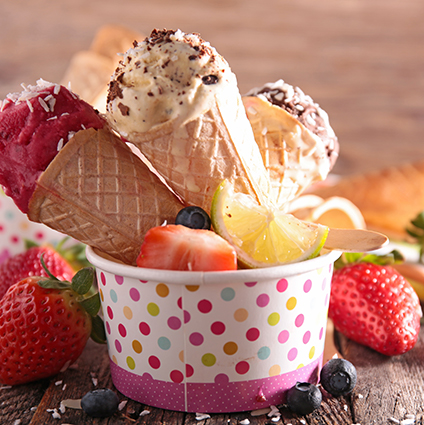
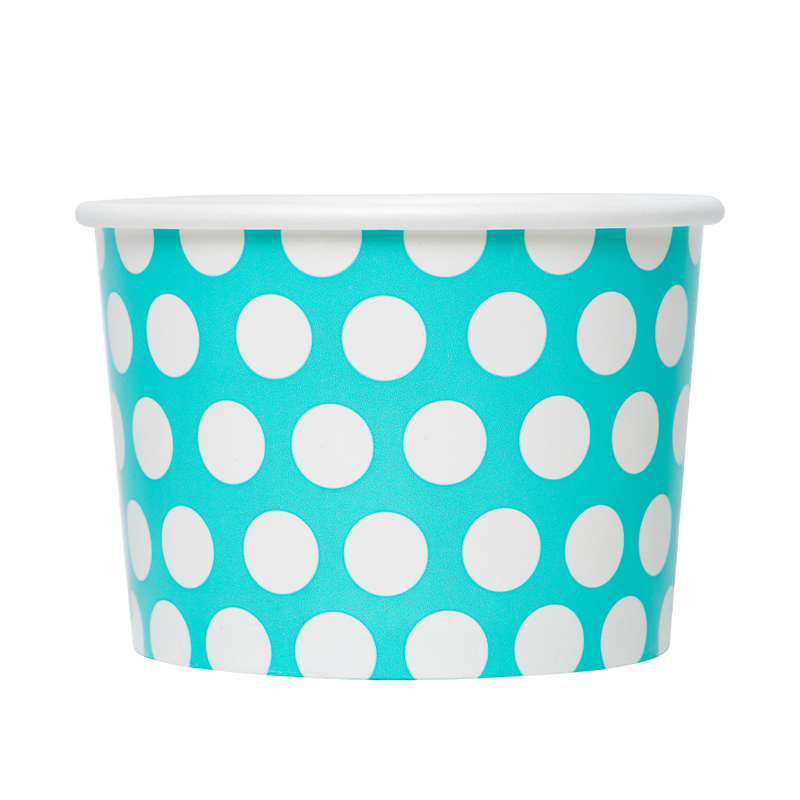 Mini Food Grade Paper Bowl
 -
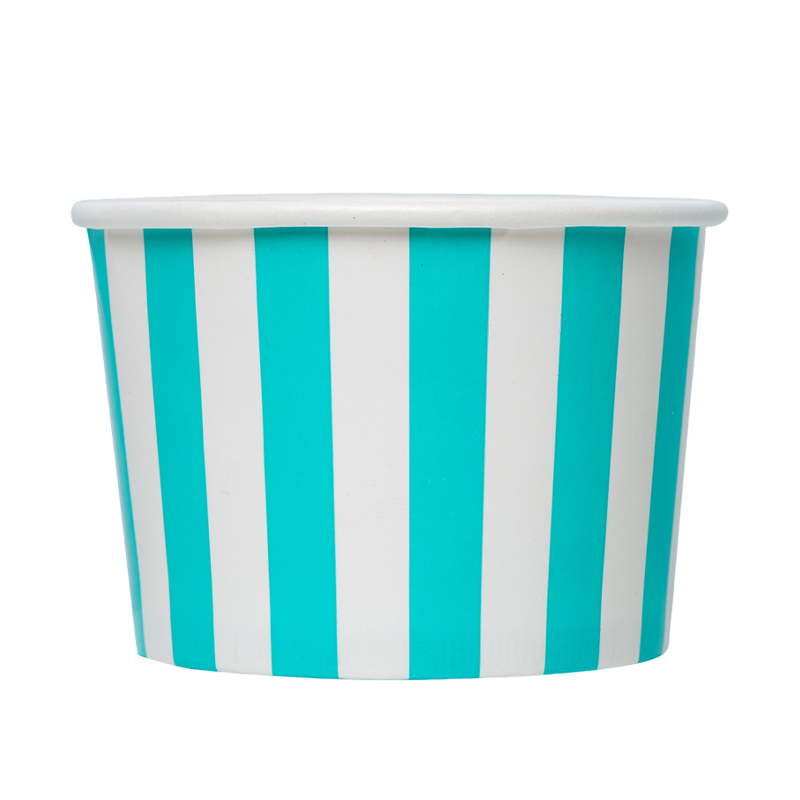 Custom Waterproof Party Paper Bowl
Kosda Green And Environmentally Friendly
Paper Product Manufacturer

Ningbo Kosda New Material Technology Co., Ltd. is a Sustainable Paper Packaging Factory and Restaurant Food Container Supplier, established in 2015 and is located in the Ningbo Binhai Economic Development Zone, China, which is the world's largest deep-water port in terms of throughput and a civilized city in China. It is a large modern production enterprise that integrates the design, research and development, production, and sales of paper products. The company adheres to the principle of quality development, advocates green and environmentally friendly products, and promotes the industrialization of high-tech. Starting from meeting customer needs, we provide high-quality and efficient services.
-
0 ㎡
Factory Area
-
2015 +
Established in
-
100 +
Number of Employees
Message Feedback
Factory Show
News
-
-
Paper Napkins: Purpose, Types, and Why They Matter for Every Setting Paper napkins are single-use absorbent tissue products designed for wiping hands, mouths, and surfaces during meals, events, and daily activities. Their primary function is hygienic convenie...
READ MORE -
Sustainable food packaging refers to packaging made from renewable, biodegradable, or compostable materials, most commonly molded pulp, kraft paper, and coated paperboard, designed to replace single-use plastic in catering, foodservice, and takeaway applicati...
READ MORE -
Paper Cup Manufacturer: What You Need to Know Before Sourcing A paper cup manufacturer is a factory or production enterprise that designs, fabricates, and supplies disposable cups made primarily from food-grade paperboard with functional coatings. These manuf...
READ MORE
Industry knowledge
1. Material Selection: The Core of Eco-Friendly Meal Containers
The choice of material directly determines the environmental footprint of disposable meal containers. Traditional plastics (PP, PS) have a low recycling rate—only about 9% globally in 2022. In contrast, paper-based containers, especially those with biodegradable coatings, can reduce carbon emissions by up to 62% during production, according to a 2023 life-cycle assessment by the European Paper Packaging Alliance (EPPA).
Restaurants should prioritize compostable meal boxes made from bagasse or bamboo pulp. These materials are rapidly renewable and decompose in industrial composting facilities within 90 days. A 2024 survey of 500 restaurant operators found that 78% of customers are willing to pay a small premium for sustainable food packaging, making it a sound business decision as well.
The horizontal bar chart above clearly shows the carbon footprint difference among common materials. Bagasse and bamboo pulp containers have a significantly lower CO₂ impact than fossil-based plastics. This is because plants absorb CO₂ during growth, and manufacturing uses less energy. For a mid-sized restaurant using 10,000 containers monthly, switching from PS to bagasse reduces annual CO₂ emissions by over 10 metric tons. This data supports the shift toward eco friendly takeout containers and biodegradable meal containers as a measurable climate action.
2. Performance & Functional Requirements for Hot & Greasy Foods
Eco-friendly does not mean compromising functionality. For hot meals, soups, or oily dishes, greaseproof paper containers with water-based coatings are essential. A 2024 lab test by the Food Packaging Forum showed that PLA-lined paper cups can withstand temperatures up to 100°C for 2 hours, while traditional PE-coated boards start softening at 85°C. For fried or saucy foods, sustainable takeaway packaging must have oil resistance > 8 on the KitKat test scale.
Additionally, structural integrity under steam and condensation is critical. Containers with double-wall corrugation or reinforced rims maintain rigidity even when holding heavy stews. The table below compares three common disposable paper lunch box types based on key performance indicators gathered from independent testing reports (source: IDTechEx, 2023).
| Property | Standard Paperboard | PE-Coated Board | Water-Based Coated (Eco) |
|---|---|---|---|
| Heat Resistance | 80°C | 95°C | 105°C |
| Oil Resistance (KitKat) | 5 | 7 | 9 |
| Compostability | Partial | No | Yes (industrial) |
| Recyclability | High | Low (mixed stream) | High |
Water-based coated containers outperform in heat and oil resistance while maintaining compostability. Restaurants serving Indian, Chinese, or BBQ cuisines with high oil content should opt for these. The data confirms that compostable meal boxes and recyclable food containers can coexist with superior functional performance, dispelling the myth that eco-friendly means flimsy.
3. End-of-Life Options: Composting vs. Recycling Infrastructure
The greenest container is worthless if it ends up in a landfill. In the US, only 32% of foodservice packaging is currently recovered. The choice between biodegradable meal containers and recyclable food containers should align with local waste management infrastructure. For example, cities with industrial composting facilities (e.g., San Francisco, Seattle) benefit from compostable options, while regions with robust paper recycling (e.g., Germany, South Korea) favor recyclable paper containers.
The line chart illustrates a positive trend: recovery rates for paper-based food containers have increased from 18% in 2016 to a projected 30% in 2024. This is driven by better sorting technologies and consumer education. For restaurants, choosing recyclable food containers with clear labeling (e.g., "Recycle Clean") can boost actual recovery. Additionally, compostable meal boxes should be paired with front-of-house composting bins to avoid contamination. A 2023 study by the Closed Loop Partners found that clear signage increases composting rates by 41%.
4. Supplier Capabilities: Customization, Quality & Innovation
A reliable supplier ensures that your eco-friendly disposable meal containers meet both environmental and branding goals. Ningbo Kosda New Material Technology Co., Ltd. was established in 2015 and is located in the Ningbo Binhai Economic Development Zone, China, which is the world's largest deep-water port in terms of throughput and a civilized city in China. It is a large modern production enterprise that integrates the design, research and development, production, and sales of paper products. The company adheres to the principle of quality development, advocates green and environmentally friendly products, and promotes the industrialization of high-tech. Starting from meeting customer needs, they provide high-quality and efficient services.
Suppliers like Kosda offer Customizable Disposable Paper Plate Supplier and Custom-tailored Paper Plate OEM Factory services, enabling restaurants to print logos and sustainability messages directly on containers. This enhances brand visibility while reinforcing the eco-friendly commitment. Their OEM Disposable Party Paper Plates and Personalized Customization Catering Paper Plate Supplier options demonstrate versatility for various dining occasions.
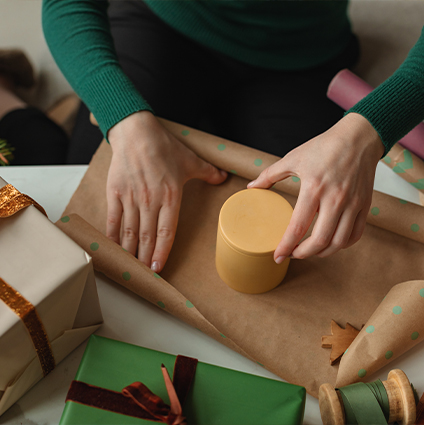
The radar chart above evaluates five critical supplier dimensions for restaurant food packaging box procurement. A competent supplier like Kosda scores high in customization, quality, and sustainability. They offer Factory Custom Printed Food Paper Plates and OEM Biodegradable Paper Plate Factory solutions, ensuring that each container meets stringent food safety standards. Moreover, their Custom Wrapping Paper Roll Manufacturer and Kraft Paper Food Container Supplier capabilities allow restaurants to source a complete range of sustainable tableware from a single partner, reducing logistics complexity and carbon footprint.
5. Practical Decision Framework for Restaurants
To simplify the selection, restaurants can follow a three-step framework: (1) Analyze your menu—high-grease, high-moisture dishes require greaseproof paper containers with strong barriers. (2) Assess local waste infrastructure—if composting is available, choose compostable meal boxes; otherwise, opt for recyclable food containers with clear recycling instructions. (3) Evaluate supplier capabilities—look for eco-friendly takeout containers that are certified by BPI or OK Compost.
- Hot soups & stews: double-walled paper bowls with water-based coating (heat resistance ≥ 100°C).
- Fried & oily dishes: containers with oil barrier ≥ KitKat 8; consider sustainable food packaging with kraft paper exterior.
- Salads & cold items: uncoated or lightly coated paper food tray containers are sufficient and more recyclable.
A mid-sized fast-casual restaurant switching to eco meal prep containers can reduce annual packaging waste by 1.2 tons and save approximately 8.5 tons of CO₂ equivalent, based on data from the Sustainable Packaging Coalition. This aligns with consumer expectations: 68% of diners in a 2024 survey stated they prefer restaurants that use biodegradable meal containers and compostable meal boxes.
The column chart demonstrates that compostable and recyclable paper containers generate significantly less waste compared to conventional plastics. For a restaurant serving 200 meals daily, switching to compostable meal boxes diverts nearly 90 kg of waste from landfills each year. This not only helps the environment but also improves brand reputation. Notably, hot food takeaway boxes made from bagasse are particularly effective for temperature retention, as confirmed by a 2024 study from the University of Cambridge (cited in Packaging Technology & Science).
6. Frequently Asked Questions (FAQ)
Q1: Are paper containers always more eco-friendly than plastic?
Not automatically. The environmental benefit depends on the entire life cycle, including raw material sourcing, manufacturing energy, and end-of-life management. However, paper-based food containers with certified sustainable sourcing (e.g., FSC) and compostable coatings generally have a lower carbon footprint and better biodegradability than conventional plastics. According to a 2023 meta-analysis by the University of Utrecht, paper containers emit 43% less CO₂ than PET plastic on average.
Q2: Can I put hot oily food in compostable paper boxes?
Yes, but you must select greaseproof paper containers with appropriate barrier coatings. Water-based or PLA coatings can withstand oils and temperatures up to 100-110°C. Always check the product specification for oil resistance (KitKat rating ≥ 8). For extremely greasy foods like fried chicken, consider double-walled or specially coated sustainable takeaway packaging to prevent leakage.
Q3: What certifications should I look for in eco-friendly containers?
Key certifications include: BPI Compostable (US), OK Compost (Europe), FSC (forestry), and FDA (food contact). For biodegradable meal containers, also check for ASTM D6400 or EN 13432 standards. These ensure that the product meets strict environmental and safety criteria. Ningbo Kosda New Material Technology Co., Ltd. offers products that are compatible with these international standards, providing reliable eco-friendly takeout containers for global restaurants.
-
Modern Green And Environmentally Friendly Paper Product Manufacturer
-
Quick Links
Home About Us Products News Contact Us -
Product Categories
Paper Plates Paper Cup Paper Napkin Paper Food Container Wrapping Paper Roll Disposable Paper Tablecloth -
Contact Us
 Tel: +86-13967818265
 E-mail: [email protected]
E-mail: [email protected] Add: 1036 Cidong Avenue, Binhai Economic Development Zone, Ningbo City, Zhejiang Province, China
Copyright © Ningbo Kosda New Material Technology Co., Ltd. All Rights Reserved.
Sustainable Paper Packaging Factory
Restaurant Food Container Supplier
